Public health officials are constantly searching for faster, more effective ways to identify and respond to disease outbreaks. A powerful and innovative method has emerged from a seemingly unlikely source: the sewer system. By analyzing wastewater, scientists can detect pathogens before people even realize they are sick. Utilizing wastewater surveillance for early outbreak detection provides a non-invasive, community-level snapshot of public health. This approach allows health departments to see trends in diseases like COVID-19, influenza, and polio, giving them a critical head start in preventing widespread transmission and protecting community well-being. Log on to www.doralhw.org for a consultation.
The Science of Wastewater Epidemiology
Wastewater surveillance, or wastewater epidemiology, is the process of testing sewage for biological markers of disease. When people are infected with a virus or bacteria, they shed genetic material, such as RNA or DNA, in their feces and urine. This material enters the wastewater system, where it can be collected and analyzed.
How It Works
The process is methodical and precise, turning raw sewage into valuable public health data.
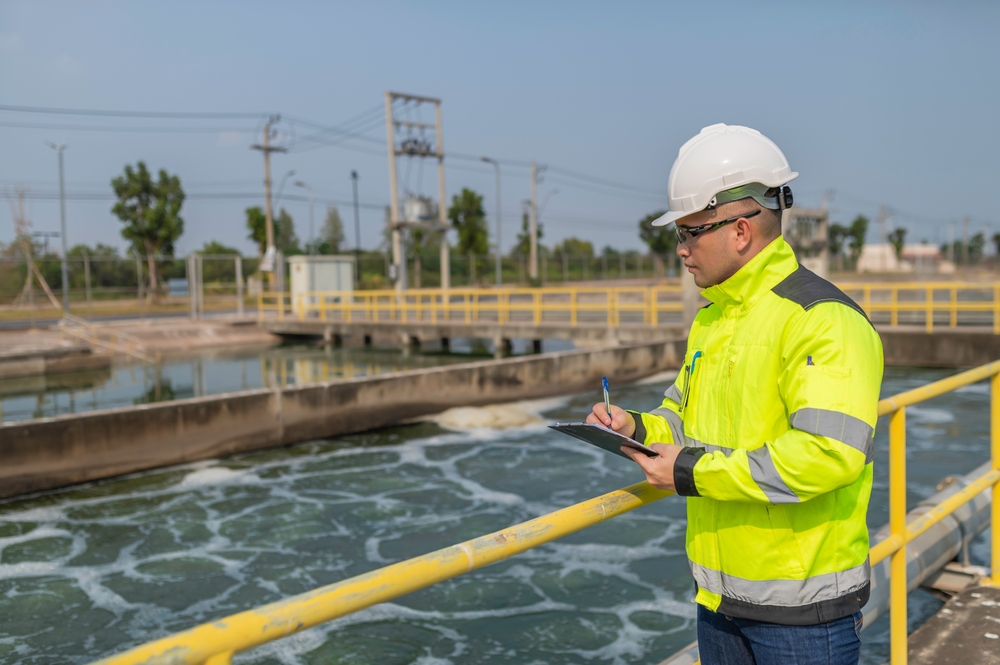
- Sample Collection: Scientists collect samples from wastewater treatment plants, which aggregate waste from entire communities. This gives them a pooled sample representing thousands or even millions of people.
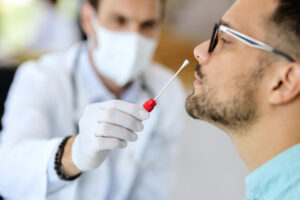
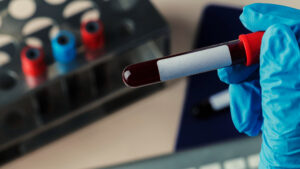
- Laboratory Analysis: In the lab, samples are concentrated, and genetic material is extracted. Technicians then use a technique called polymerase chain reaction (PCR)—the same technology used for individual clinical tests—to search for and quantify specific pathogens.
- Data Interpretation: The concentration of a pathogen’s genetic material in the wastewater can indicate trends in community infection rates. A sharp increase can signal an impending outbreak, often days or weeks before clinical cases rise.
This data provides an unbiased view of community health, as it includes information from individuals who may be asymptomatic or have not yet sought medical care.
The Advantages of Utilizing Wastewater Surveillance for Early Outbreak Detection
This method offers several key benefits over traditional disease tracking, which often relies on individuals seeking medical testing. It is a proactive tool that empowers communities to act swiftly.
Early Warning System
The most significant advantage is speed. Wastewater data can predict a surge in cases up to two weeks before clinical data reflects a similar trend. This early warning gives hospitals and public health agencies time to prepare by allocating resources, increasing testing capacity, and launching public awareness campaigns.
Cost-Effective and Comprehensive
Testing wastewater is more economical than conducting widespread individual clinical tests. It provides a broad overview of a community’s health without requiring the participation of every resident. This makes it an efficient way to monitor large populations continuously.
Tracking Variants and New Threats
Beyond just detecting the presence of a known virus, advanced genomic sequencing of wastewater samples can identify new variants of concern. This was critical during the COVID-19 pandemic for tracking the spread of strains like Delta and Omicron. It also allows for the surveillance of other public health threats, including antibiotic resistance and illicit drug use.
Real-World Applications and the Role of Experts
The practical applications of wastewater surveillance have been demonstrated globally. During the 2022 polio outbreak in New York, wastewater testing was instrumental in identifying community spread and targeting vaccination efforts. This is where the expertise of an infectious disease specialist becomes invaluable. These experts can interpret the complex data, understand its clinical implications, and advise public health officials on the most effective response strategies.
For residents with concerns about exposure or symptoms, consulting a local healthcare provider is essential. An infectious disease clinic in Brooklyn, for example, can offer specialized testing and guidance based on the latest community health data, bridging the gap between large-scale surveillance and individual patient care.
Challenges and the Path Forward
While the potential of wastewater surveillance is immense, there are challenges to overcome. Standardizing collection and testing methods across different regions is crucial for creating comparable data. Additionally, relating pathogen concentrations in wastewater directly to the exact number of infected people requires further refinement of scientific models.
Despite these hurdles, the field is rapidly advancing. Investments in infrastructure and research are expanding the national wastewater surveillance system. Integrating this data with other public health metrics will create a more robust and resilient defense against future outbreaks. For expert advice on how this data impacts community health, an infectious disease specialist remains a key resource. If you have specific concerns, a local facility like an infectious disease clinic in Brooklyn can provide tailored medical support.
The journey from the lab bench to local health policy highlights a major step forward in proactive public health. By continuing to invest in and refine the methods for utilizing wastewater surveillance for early outbreak detection, we are building a smarter, more prepared future for communities everywhere. Book your appointment now, call us on + 1-718-367-2555 to get treated! Learn more about infectious diseases at www.doralhw.org. and stay up to date on current health topics and new research, on recent infectious diseases like COVID-19. If you need help, register your information and make direct contact with our doctors at https://yuz88hfiyh7.typeform.com/Doralintake. Or visit us at 1797 Pitkin Avenue, Brooklyn, NY 11212.