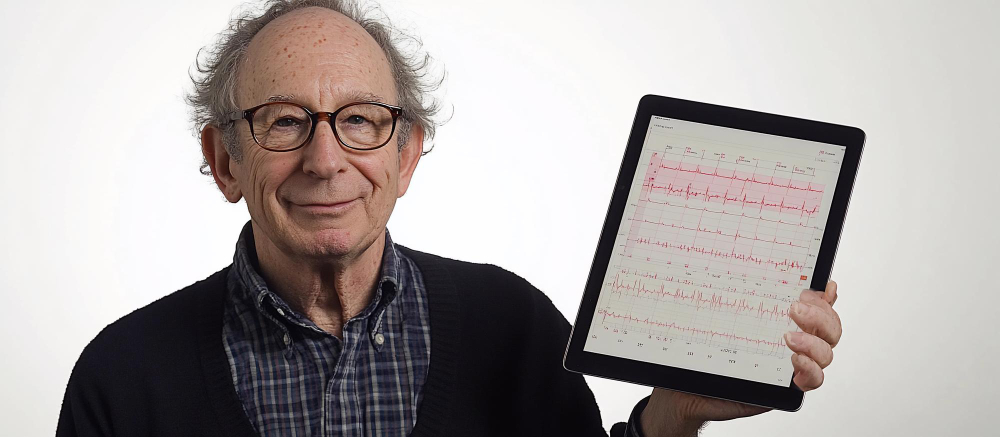
Paroxysmal AFib triggers include alcohol, caffeine, sleep deprivation, stress, and underlying conditions like high blood pressure or thyroid disease. Episodes start and stop on their own but can become more frequent over time. A cardiologist can help identify your personal triggers and create a plan to reduce them.
Paroxysmal AFib can feel like it comes out of nowhere. One moment you feel fine. The next, your heart is racing, fluttering, or beating in a way that stops you mid-sentence. That uncertainty is unsettling, and you deserve clear answers about what is happening in your body.
Understanding the common causes of paroxysmal AFib is one of the most practical steps you can take. When you know what sets off an episode, you gain something valuable: the ability to act, not just react.
What Is Paroxysmal AFib?
Paroxysmal AFib is a form of atrial fibrillation in which episodes begin and end on their own, typically within 24 to 48 hours. The upper chambers of the heart fire electrical signals irregularly, disrupting the normal rhythm. According to the American Heart Association, AFib affects more than 2.7 million Americans and is the most common type of heart arrhythmia.
Unlike persistent or permanent AFib, paroxysmal episodes are self-terminating. But that does not mean they are harmless. Repeated episodes increase the risk of stroke, heart failure, and progression to a more chronic form of the condition. Identifying paroxysmal AFib triggers early gives you and your cardiologist the best opportunity to intervene.
Common Causes of Paroxysmal AFib Patients Should Know
Lifestyle Factors
Certain daily habits are among the most well-documented paroxysmal AFib triggers:
- Alcohol: Even moderate consumption can provoke episodes. The term “holiday heart syndrome” describes AFib episodes that occur after binge drinking, but smaller amounts can also act as a trigger in sensitive individuals.
- Caffeine: The evidence is mixed, but high caffeine intake has been linked to increased palpitations and arrhythmia risk in some patients.
- Sleep deprivation: Poor or fragmented sleep disrupts the autonomic nervous system, which directly affects heart rhythm.
- Intense physical exertion: Vigorous exercise can trigger episodes, particularly in people who are new to high-intensity activity or have underlying heart conditions.
- Stress and anxiety: Emotional stress activates the body’s fight-or-flight response, raising adrenaline levels and straining the heart’s electrical system.
Underlying Medical Conditions
Several health conditions are closely linked to paroxysmal AFib:
- High blood pressure: Hypertension is one of the most common risk factors. It increases strain on the heart’s walls and can alter its electrical pathways over time.
- Thyroid disease: An overactive thyroid accelerates the heart rate and raises the risk of arrhythmia significantly, according to the Mayo Clinic.
- Sleep apnea: Repeated drops in oxygen during sleep create significant stress on the heart. The National Heart, Lung, and Blood Institute identifies sleep apnea as a major contributor to AFib.
- Heart disease: Coronary artery disease, heart failure, and valve problems all affect how the heart’s electrical system functions.
- Diabetes: Poorly controlled blood sugar levels can damage blood vessels and nerves, including those that regulate heart rhythm.
Other Common Triggers
Some triggers are situational or harder to anticipate:
- Dehydration: Low fluid levels affect electrolyte balance, which plays a direct role in how the heart conducts electrical signals.
- Electrolyte imbalances: Low potassium or magnesium can destabilize the heart’s rhythm, even without any structural heart disease.
- Fever or illness: Infections raise the body’s metabolic demand and can push a susceptible heart into an irregular rhythm.
- Certain medications and supplements: Some cold medicines, stimulants, and herbal supplements affect heart rate and electrical conduction.
Why Identifying Your Triggers Matters
Not every person with paroxysmal AFib responds to the same triggers. Two patients at the same cardiology clinic in Brooklyn may have completely different patterns. One may notice episodes after a poor night’s sleep. Another may find that alcohol is the consistent factor.
Keeping a symptom journal is a practical starting point. Record the time of each episode, what you were doing beforehand, what you ate or drank, your stress level, and how long the episode lasted. Over time, patterns often emerge that help your cardiologist pinpoint your specific causes.
This kind of tracking is not just useful for you. It gives your care team concrete information to work with when adjusting your treatment plan.
When to See a Cardiologist About Paroxysmal AFib
You should speak with a cardiologist if you experience any of the following:
- Episodes of rapid, fluttering, or irregular heartbeat
- Shortness of breath, dizziness, or chest discomfort during an episode
- Episodes that are becoming more frequent or lasting longer
- A family history of heart disease or AFib
Early evaluation matters. Left unaddressed, paroxysmal AFib can progress to persistent AFib, which is harder to manage and carries a higher risk of serious complications.
Take the Next Step for Your Heart Health
Knowing your paroxysmal AFib triggers is the first step. Getting the right evaluation is what makes that knowledge useful.
Our cardiologists offer personalized cardiac care for patients at every stage. Whether you are experiencing your first episode or looking for better ways to manage recurring symptoms, the team is here to help you understand what is happening and what to do next. Reach out today by calling us at +1-718-367-2555 or walking into our clinic at 1797 Pitkin Avenue, Brooklyn, NY 11212 to schedule your consultation.