Bipolar mania is an episode usually caused by bipolar disorder before a depressive episode. Many factors lead to bipolar mania. But the exact cause is still unknown. Bipolar mania episodes affect your thoughts, behavior, and energy levels which makes changes in your activities that are easily noticeable to others. While this disorder is treatable, you should notice the symptoms and get treated early to manage those episodes efficiently to live a better life. Visit the best Mental Health Clinic in Brooklyn at Doral Health & Wellness or log on to www.doralhw.org.
Learn more about the Diagnosis, Management, and Prevention of Bipolar Mania in this article.
How to Diagnosis Bipolar Mania
Diagnosing bipolar mania can be challenging, as there is no single test that definitively confirms the condition. However, the diagnostic process involves several key steps that help rule out other possible causes and confirm the presence of bipolar mania. Early and accurate diagnosis is crucial to ensure proper treatment and long-term management of the disorder.
To begin with, your healthcare provider will conduct a thorough review of your medical history, including any existing physical or mental health conditions. They will also examine your family history, as bipolar mania can have a genetic component. It’s important to inform your doctor about all medications, supplements, or recreational substances you may be using, since these can sometimes produce symptoms that mimic bipolar mania.
In many cases, your provider may order blood tests or body scans to rule out medical conditions that could be causing similar symptoms. Once other physical illnesses are excluded, your provider may refer you to a mental health specialist for further evaluation.
The mental health professional will typically use the DSM-5 (Diagnostic and Statistical Manual of Mental Disorders, Fifth Edition) criteria to assess your condition. These criteria are considered the gold standard for diagnosing mental health disorders, including bipolar mania.
To be diagnosed with bipolar mania, the specialist will assess whether:
You are experiencing an abnormally elevated or irritable mood, accompanied by increased energy and activity levels that last for at least one week—or are present most of the day, nearly every day.
You show at least three or more behavioral and mood symptoms, such as inflated self-esteem, decreased need for sleep, talkativeness, racing thoughts, distractibility, increased goal-directed activity, or risky behavior.
The mood changes are severe enough to cause significant disruptions in your personal, social, or occupational life.
Your symptoms are not better explained by the effects of alcohol, recreational drugs, or prescribed medications.
Meeting these DSM-5 criteria is essential in identifying the presence of bipolar mania, as opposed to other mood or psychotic disorders. The mental health specialist will also consider whether the manic episode is part of a larger bipolar disorder, such as bipolar I or bipolar II, based on the pattern and duration of episodes.
Recognizing bipolar mania early is key to avoiding long-term complications and ensuring a better quality of life. If you or someone you know is showing signs consistent with bipolar mania, it’s important to seek professional help for an accurate diagnosis and appropriate treatment plan.
Treatment for Bipolar Mania
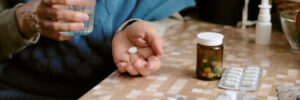
Usually, mania is treated with medications, psychotherapy, or a combination of both. Family and friends’ support is also essential during your treatment. If you only experience a manic episode, then a doctor may prescribe you an antipsychotic medication such as risperidone, aripiprazole, olanzapine, quetiapine, etc. To stabilize your mood disorder, a doctor may add a mood stabilizer as well. If you are planning to become pregnant, let your provider know first because some mood stabilizers such as valproate can increase the risk of birth defects and learning disabilities. In some cases, antidepressants are also prescribed along with other medicines.
Psychotherapies like talk therapy, cognitive behavioral therapy, or family therapy are used for manic episodes. These therapies help you identify the triggers of your mania episodes and teach the techniques how to cope with them.
You can also join support groups where many people with mania share their experiences and problems, and find ideas on how to tackle them with the help of a mental health professional or counselor.
In rare cases, electroconvulsive therapy (ECT) is used to treat severe mania. In this therapy, a small electric current is sent to the brain to trigger a brief seizure to reverse the symptoms of mania.
Bipolar Mania Prevention
While you can’t prevent mania, you can make a plan to manage the symptoms of mania episodes from getting worse especially when you feel or sense that manic episodes may be starting soon.
- Avoid activities and environments that can trigger your mania episodes such as loud, busy, or bright places. Instead, stay in a place that is calm and relaxing.
- Follow your routines. Sleep, get up early, eat meals, take medications, and exercise all at a fixed time.
- Limit the social contacts that may make you feel stimulated or excited. Postpone some of the life decisions or big purchases.
- Avoid people or situations that may lead to poor or risky choices such as taking drugs or drinking excessive alcohol.
- Consider selecting someone who can manage your finances during a manic episode.
In case, you think or feel like harming yourself; tell family or friends, so that someone keeps an eye on you.
Looking for someone to talk to? If you need help dealing with your negative thoughts and feelings, call us on +1-347-384-5690 to get a consultation. If you need help learning coping methods, register your information and make direct contact with our doctors and psychiatrists to learn those methods, log on to www.doralhw.org. Doral Health and Wellness has the best Doctors and Psychiatrists who specialize in Behavioral Health, make accurate diagnoses, and craft tailored treatment programs. Visit us at 1797 Pitkin Avenue, Brooklyn, NY 11212.