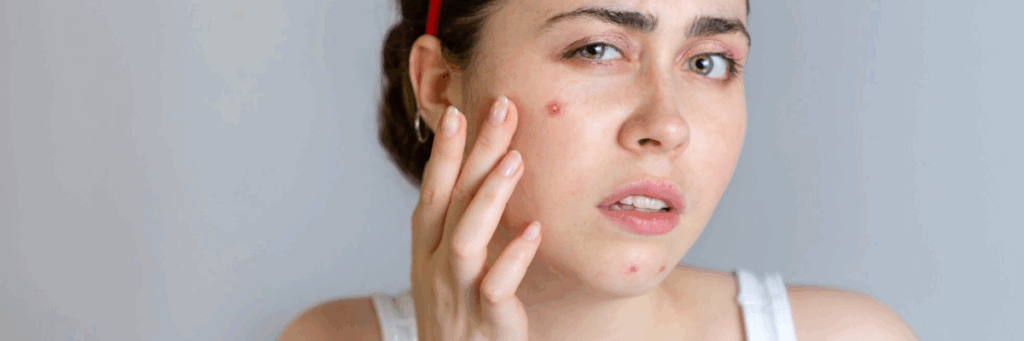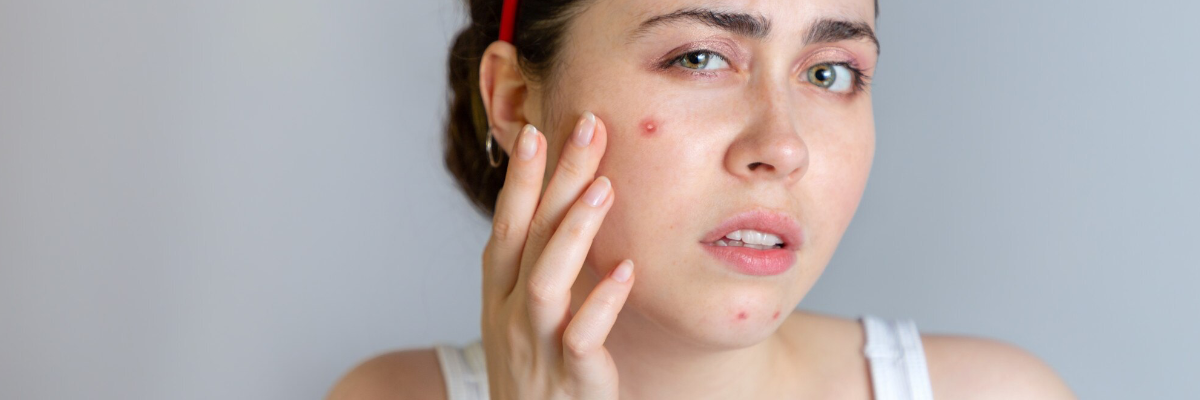
Acne is one of the most widespread and misunderstood of all common skin conditions. It affects millions of people of all ages, and the journey to achieving healthy skin is often clouded by misinformation. Separating myth from fact is a critical first step in managing this condition effectively. This guide provides clear, evidence-based skin health tips, clarifies popular misconceptions, and outlines professional skin treatments. Understanding the truth about acne empowers you to make informed decisions and seek proper guidance from a qualified skin doctor.
At Doral Health & Wellness, our commitment is to provide expert medical advice and comprehensive care to our community. Our dedicated dermatologists are here to guide you with personalized skin treatments designed to promote healthy skin. If you require trusted, supportive care for acne or any other dermatological concern, we invite you to connect with our state-of-the-art facility.
Essential Skin Health Tips: Debunking Common Acne Myths
Navigating the world of acne care can be confusing due to the sheer volume of conflicting advice. Many popular beliefs about the causes and treatments for acne are not supported by scientific evidence. A professional skin doctor can provide clarity, but understanding the facts is an essential part of your skincare journey.
Myth 1: Acne is Caused by Poor Hygiene
Fact: Acne is not a result of dirty skin. In fact, scrubbing your face too aggressively or cleansing with harsh soaps can irritate your skin and worsen inflammation. This is a complex condition that develops when hair follicles become clogged with oil (sebum) and dead skin cells. This environment allows bacteria (specifically Cutibacterium acnes) to multiply, leading to inflammation and breakouts. Gentle cleansing once or twice a day is sufficient.
Myth 2: Eating Greasy Foods and Chocolate Causes Acne
Fact: For decades, foods like chocolate and french fries have been blamed for acne flare-ups. However, comprehensive studies have not found a direct link between these specific foods and acne development. The relationship between diet and acne is more complex. Some research suggests a potential link between high-glycemic foods (those that cause rapid spikes in blood sugar) and dairy products with acne severity in some individuals. If you suspect a food trigger, consulting with the best skin doctor or a registered dietitian is a prudent step.
Myth 3: You Should Pop Your Pimples
Fact: Squeezing or popping pimples is one of the most counterproductive actions you can take. It can push bacteria and pus deeper into the skin, leading to more swelling, redness, and pain. Furthermore, this action often results in permanent scarring and dark spots (post-inflammatory hyperpigmentation). The best approach is to allow the blemish to heal on its own or to seek professional skin treatments, such as extractions performed by a licensed dermatologist. Searching for the “best dermatologist near me” can connect you with a professional who can safely manage lesions.
Myth 4: Sun Exposure and Tanning Beds
Fact: While a tan might temporarily mask the redness of acne, sun exposure is not a recommended treatment. Ultraviolet (UV) radiation damages the skin, accelerates aging, and significantly increases your risk for skin cancer, one of the most serious common skin conditions. Many acne medications, including retinoids and certain antibiotics, also increase your skin’s sensitivity to the sun, making you more susceptible to sunburn. Daily use of a non-comedogenic (non-pore-clogging) sunscreen is a vital skin health tip for everyone, especially those with acne-prone skin.
Factual Approaches to Effective Acne Skin Treatments
Managing acne effectively relies on evidence-based strategies and consistent care. While there is no one-size-fits-all solution, a combination of proper at-home habits and professional guidance can lead to significant improvements and long-term healthy skin.
Over-the-Counter (OTC) Solutions
For mild to moderate acne, several effective OTC ingredients can help manage breakouts. When choosing products, look for these active ingredients:
- Benzoyl Peroxide – This ingredient works by killing acne-causing bacteria in the pores. It is available in various concentrations in cleansers, lotions, and gels.
- Salicylic Acid – A beta-hydroxy acid (BHA), salicylic acid helps to exfoliate the skin and clear out clogged pores. It is particularly effective for blackheads and whiteheads.
- Adapalene – This is a type of retinoid that was previously available only by prescription. It helps regulate skin cell turnover to prevent pores from becoming clogged.
When to Consult a Skin Doctor
If your acne does not improve with OTC products after several weeks, or if you have severe acne (e.g., painful cysts and nodules), it is time to seek professional help. A dermatologist can offer advanced skin treatments tailored to your specific needs. For those in New York, a search for a “Skin doctor NY” can lead you to specialized care.
Professional Treatment Options May Include:
- Prescription Topicals – Stronger retinoids (like tretinoin), topical antibiotics, and azelaic acid can be prescribed to reduce bacteria and inflammation more effectively.
- Oral Medications – For moderate to severe acne, a skin doctor may prescribe oral antibiotics, hormonal therapies (like birth control pills for women), or isotretinoin for severe, persistent cases.
- In-Office Procedures – Treatments such as chemical peels, professional extractions, and light therapy can complement a daily skincare routine and accelerate results.
Finding a “skin doctor near me” who understands your concerns is the first step toward a successful treatment plan.
Your Partner in the Pursuit of Healthy Skin: Doral Health & Wellness
Navigating the path to clear, healthy skin requires separating fact from fiction. By understanding that acne is a medical condition—not a result of personal failings—you can adopt effective management strategies and seek appropriate care. A consistent, gentle skincare routine combined with evidence-based treatments is the most reliable path to controlling breakouts and preventing long-term damage like scarring.
For residents of East New York and surrounding areas, Doral Health & Wellness provides comprehensive medical care in a state-of-the-art facility. Our specialty care physicians are dedicated to offering trusted medical advice and cutting-edge skin treatments for a wide range of dermatological issues, including acne. If you are searching for the “best skin doctor NY” has to offer, look no further. Contact Doral Health & Wellness today at 1-718-365-2555 or visit us at 1797 Pitkin Avenue, Brooklyn, New York 11212 to schedule a consultation and receive the expert guidance you need to achieve your skin health goals. For general information about Doral Health & Wellness services, you can contact or email info@doralhw.org.