Sesamoid avascular necrosis occurs when blood flow to one of the small sesamoid bones beneath the big toe is interrupted, causing the bone tissue to die. Conservative offloading, such as padding, orthotics, and activity modification, can relieve pressure early on, but it does not always restore blood supply. When pain persists, or imaging shows worsening bone collapse, a podiatrist may recommend surgery to protect the foot’s long-term function.
Foot pain that will not go away can feel confusing, especially when rest and padding do not bring relief. If you or your loved one has been diagnosed with sesamoid avascular necrosis, you already know how disruptive this condition can be to everyday movement. This article explains what sesamoid avascular necrosis is, why conservative offloading sometimes falls short, and what comes next when the bone needs more support than padding alone can provide.
What Is Sesamoid Avascular Necrosis?
Sesamoid avascular necrosis is the death of bone tissue in one of the two small sesamoid bones located beneath the big toe joint. These bones play a quiet but essential role in how you walk, and when they lose their blood supply, the damage can be painful and progressive.
How the Sesamoid Bones Work
The sesamoid bones sit within tendons under the ball of the foot, acting like small pulleys that help the big toe push off the ground. Every step, run, or jump places weight directly through them. Because of this constant load, even small disruptions to their blood supply can have an outsized effect on how your foot functions.
What Causes Bone Death in the Sesamoids
Avascular necrosis in the sesamoids typically develops after injury, repetitive stress, or a disruption to the small blood vessels feeding the bone. Dancers, runners, and athletes who place repeated pressure on the ball of the foot face a higher risk. Without enough blood flow, the bone tissue weakens and can eventually collapse.
When Conservative Offloading Fails to Save the Bone
Many patients start with conservative offloading, and for good reason. It is a lower-risk approach, and it works for some. But it does not always succeed, and knowing the signs of failure matters just as much as knowing the treatment itself.
Common Conservative Treatments and Their Limits
Offloading typically includes custom orthotics, padded insoles, activity modification, and sometimes a period of immobilization in a boot. These methods reduce pressure on the sesamoid bone and can ease pain in mild cases. Their limit is that they manage symptoms rather than restore blood supply, so the underlying bone damage can continue even while pain temporarily improves.
Signs That Offloading Is Not Working
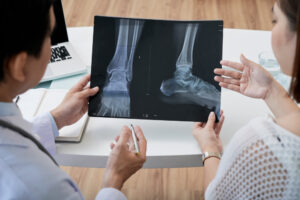
If pain continues beyond several weeks of consistent offloading, that is a signal worth taking seriously. Other warning signs include swelling that will not resolve, pain that worsens with weight-bearing, or imaging that shows the bone is collapsing rather than healing. A podiatrist can confirm these findings through follow-up imaging and a hands-on evaluation.
What Happens When Conservative Care Is Not Enough
Reaching this point does not mean you have run out of options. It means the next step is designed to give the bone and the foot a real chance at lasting relief.
Surgical Options
When conservative offloading fails, a podiatrist may recommend removing the damaged sesamoid bone, a procedure called sesamoidectomy. In select cases, bone grafting or joint-preserving techniques may be considered instead. Your podiatrist will walk you through which option fits your specific diagnosis, activity level, and long-term foot health goals.
Finding Relief and Moving Forward
Living with sesamoid avascular necrosis is frustrating, especially after trying conservative care that has not brought the relief you hoped for. You do not have to keep guessing about your next step. Our podiatry team is here to evaluate your imaging, review your treatment history, and help you understand whether surgery is the right path forward. If offloading has not resolved your pain, reach out to us today by calling +1-718-367-2555 or visiting us at 1797 Pitkin Avenue, Brooklyn, NY 1121 to schedule an evaluation and take the next step toward lasting comfort.