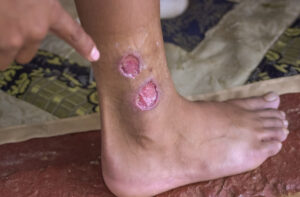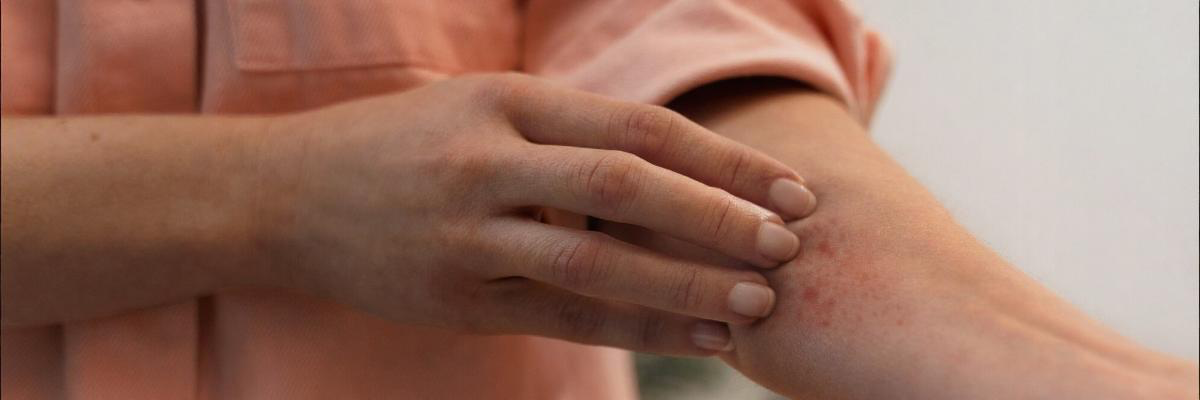
Eczema, also known as atopic dermatitis, is a chronic inflammatory issue and one of the most common skin conditions affecting millions of individuals worldwide. Achieving healthy skin can feel like a constant battle when you live with eczema. Understanding its triggers and symptoms is the first step toward effective management. This guide offers essential skin health tips to help you identify the signs of a flare-up and provides information on available skin treatments. With the right knowledge and support from a qualified skin doctor, you can gain control over your condition and improve your quality of life.
At Doral Health & Wellness, we are committed to providing integrated, interdisciplinary health services to our community. Our expert dermatologists are dedicated to diagnosing and managing a wide range of skin conditions with personalized care. If you are seeking a trusted skin doctor to help with eczema management, we invite you to connect with our state-of-the-art facility.
Understanding Eczema: A Key Skin Health Tip
Eczema is characterized by periods of flare-ups, where symptoms worsen, followed by periods of remission. Identifying the initial signs of a flare-up is crucial for prompt intervention and minimizing discomfort. While symptoms can vary from person to person, there are common indicators to watch for. A proper diagnosis from a skin doctor is essential for creating a personalized treatment plan.
Identifying the Symptoms of an Eczema Flare-Up
The signs of an eczema flare-up can range from mild to severe. Recognizing these symptoms early allows for more effective management.
Common Symptoms Include:
- Intense Itching (Pruritus) – This is often the first and most distressing symptom. The itch can be severe, especially at night, leading to a disruptive itch-scratch cycle.
- Dry, Sensitive Skin – The skin may feel rough, scaly, and extremely dry to the touch.
- Red, Inflamed Patches – Affected areas of the skin become red and inflamed. In darker skin tones, these patches may appear darker brown, purple, or ashen grey.
- Swelling – The skin can become swollen and tender.
- Oozing and Crusting – Small, raised bumps (papules) may form, and if scratched, they can leak clear fluid and crust over.
- Thickened, Leathery Skin (Lichenification) – Over time, chronic scratching can cause the skin to become thick, leathery, and darkened.
If you experience these symptoms, consulting a professional is recommended. A search for the “best dermatologist near me” can connect you with specialists who can provide an accurate diagnosis.
Common Triggers for Eczema Flare-Ups
A key part of managing eczema is identifying and avoiding personal triggers. While these can differ for everyone, some common culprits are well-documented.
Potential Triggers:
- Dry Skin – When skin becomes too dry, it can become brittle, scaly, and tight, which can lead to a flare.
- Irritants – Everyday products like hand and dish soap, laundry detergent, shampoo, and certain fabrics (like wool and polyester) can irritate the skin.
- Allergens – Environmental allergens such as dust mites, pet dander, pollens, and mold can set off symptoms. Certain foods may also be a trigger for some individuals.
- Stress – Emotional stress is a known trigger that can cause eczema to flare up.
- Climate and Sweating – Hot weather, high humidity, and sweating can all irritate the skin. Conversely, very dry, cold air can also lead to a flare-up.
Keeping a journal to track your symptoms and potential exposures can be a valuable tool in identifying your specific triggers.
Effective Skin Treatments and Management Strategies
Once a flare-up begins, the goal is to calm the inflammation, relieve the itching, and allow the skin to heal. A combination of at-home care and professional skin treatments often yields the best results. The best skin doctor will work with you to develop a comprehensive plan.
At-Home Care and Lifestyle Adjustments
Consistent daily care is fundamental to managing eczema and preventing future flare-ups.
- Moisturize Regularly – Apply a high-quality, fragrance-free moisturizer at least twice a day to seal in moisture. It’s most effective when applied to damp skin, such as after a bath or shower.
- Take Lukewarm Baths – Use gentle, non-soap cleansers and avoid excessively hot water, which can strip the skin of its natural oils. Pat the skin dry gently after bathing.
- Avoid Scratching – This is often the hardest rule to follow. Keep fingernails short and consider wearing cotton gloves at night to minimize damage from scratching.
- Choose Soft Fabrics – Wear soft, breathable clothing made from materials like cotton. Avoid rough, scratchy fibers and tight-fitting clothes.
Professional Medical Treatments
For moderate to severe eczema, over-the-counter remedies may not be sufficient. A consultation with a dermatologist is necessary to explore prescription skin treatments. Residents in New York can search for a “Skin doctor NY” to find specialists in their area.
Medical Interventions May Include:
- Topical Corticosteroids – These anti-inflammatory creams and ointments are a cornerstone of eczema treatment. They come in various strengths, and a doctor will prescribe one appropriate for your condition.
- Topical Calcineurin Inhibitors (TCIs) – These non-steroidal ointments, such as tacrolimus and pimecrolimus, work by reducing inflammation. They are often used on sensitive areas like the face and eyelids.
- Phototherapy (Light Therapy) – This treatment involves exposing the skin to controlled amounts of natural or artificial light. It can be an effective option for widespread eczema.
- Systemic Medications – For severe, widespread eczema that doesn’t respond to other treatments, a doctor may prescribe oral or injectable medications that work throughout the body to control the immune system.
Finding a “skin doctor near me” who is experienced in treating this condition is a critical step.
Your Partner in Achieving Healthy Skin: Doral Health & Wellness
Managing eczema requires a proactive and informed approach. By learning to identify the early signs of a flare-up, recognizing your personal triggers, and adhering to a consistent skincare routine, you can significantly reduce the frequency and severity of your symptoms. Partnering with a knowledgeable medical professional is essential for developing an effective, long-term management plan tailored to your specific needs.
For expert guidance and comprehensive care in the East New York community, trust the specialists at Doral Health & Wellness. Our state-of-the-art facility is dedicated to your health and well-being, offering advanced skin treatments and trusted medical advice. Our team of specialty care physicians is here to help you navigate the challenges of common skin conditions like eczema. If you are searching for the “best skin doctor NY” has to offer, contact Doral Health & Wellness today at 1-718-365-2555 or visit us at 1797 Pitkin Avenue, Brooklyn, New York 11212 to schedule your consultation and take a decisive step toward healthier, more comfortable skin. For general information about Doral Health & Wellness services, you can contact or email info@doralhw.org.