Heel pain in active children and adolescents can be alarming for parents. One of the most common causes is Sever’s disease, a condition that affects the growth plate of the heel. While the name sounds serious, it’s a temporary issue that resolves with time and proper care. Understanding the key signs and symptoms of Sever’s disease is the first step toward managing the condition effectively. This guide will cover what to look for and explain when to seek medical help for Sever’s disease, ensuring your child can return to their activities without discomfort. Get a consultation with the best Podiatrists in Brooklyn.
What are the main signs and symptoms of Sever’s disease?
Sever’s disease, also known as calcaneal apophysitis, is an inflammation of the growth plate in the heel bone (calcaneus). It typically occurs in children between the ages of 8 and 14, especially those who are physically active. The repetitive stress from running and jumping on hard surfaces can cause the Achilles tendon to pull on the growth plate, leading to inflammation and pain.
The symptoms often develop gradually and can vary in intensity. Key indicators include:
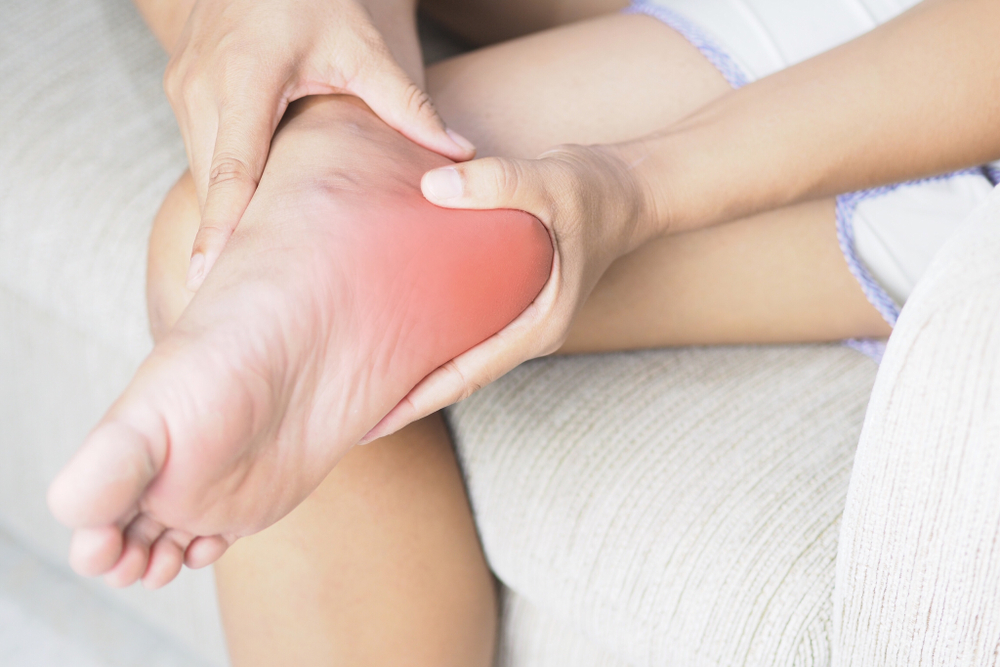
- Heel Pain: This is the primary symptom. The pain is usually felt at the back or bottom of the heel. It often worsens during or after physical activity.
- Limping: Your child may start limping, especially after sports or a long day of activity.
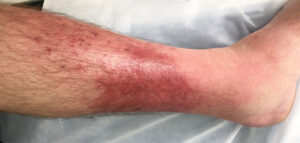
- Tenderness and Swelling: The heel area may be tender to the touch and appear slightly swollen or red.
- Stiffness in the Morning: The foot might feel stiff upon waking, with pain easing slightly as the day goes on.
- Walking on Tiptoes: To avoid putting pressure on the painful heel, a child might walk on their toes.
Pain is typically triggered by activities that put pressure on the heel, such as running, soccer, basketball, and gymnastics. Squeezing the sides of the heel bone will often cause discomfort.
When to Seek Medical Help for Sever’s Disease
While many cases of Sever’s disease can be managed at home with rest and activity modification, there are times when professional medical advice is necessary. Knowing when to seek medical help for Sever’s disease ensures a correct diagnosis and prevents the condition from worsening.
You should consult a healthcare professional if:
- The pain is severe and interferes with your child’s ability to walk or perform daily activities.
- At-home care, like rest and ice, does not provide relief after a few days.
- The heel is significantly swollen, red, or warm to the touch.
- Your child experiences a fever along with heel pain.
- You are unsure about the cause of the pain.
A specialist, such as a podiatrist, can accurately diagnose Sever’s disease through a physical examination. They will assess your child’s foot, check their range of motion, and ask about their activity levels. In some cases, an X-ray may be ordered to rule out other problems like fractures.
For those in New York, a podiatry clinic in Brooklyn can provide expert diagnosis and a tailored treatment plan. A podiatrist might recommend specific stretching exercises, supportive footwear, or custom orthotics to relieve pressure on the heel. Visiting a podiatry clinic in Brooklyn ensures your child receives the specialized care needed to manage their symptoms effectively.
Sever’s disease is a common and manageable cause of heel pain in growing children. By recognizing the signs and symptoms and knowing when to seek professional help, you can support your child’s recovery and help them get back to the activities they love. If your child’s heel pain persists, scheduling an appointment with a specialist is the best course of action.
Reach out to Doral Health & Wellness; we have Podiatrists with extensive education and expertise. Our address is 1797 Pitkin Avenue, New York, NY 11212. To make an appointment, please call + 1 718 367 2555, or register your information and make direct contact with us at https://yuz88hfiyh7.typeform.com/Doralintake or send an email to info@doralhw.org.