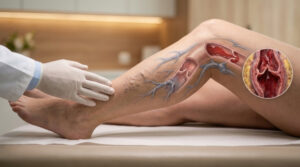
Living with diabetes or nerve damage means you need to pay close attention to your feet. A minor issue can quickly escalate into a severe complication before you even realize it. One of the most serious conditions you can face is a progressive joint disease that attacks the bones in your feet.
Knowing the warning signs of Charcot’s neuroarthropathy is absolutely crucial for preventing permanent deformity or even amputation. Because the condition develops rapidly, you also need to know exactly when to seek medical help for Charcot’s neuroarthropathy. By staying alert and working with a professional podiatrist, you can protect your mobility and keep your feet healthy. Let us explore the early indicators and the critical steps you must take if you suspect a problem. Get a consultation with the best Podiatrists in Brooklyn.
Understanding the Warning Signs of Charcot’s Neuroarthropathy
Charcot foot develops when neuropathy causes a complete loss of sensation in the lower extremities. Because you cannot feel pain, you might continue walking on a minor foot injury. This constant pressure causes the bones to weaken, splinter, and eventually fracture. As the bones break down, the joints collapse, leading to severe foot deformities.
Early Physical Symptoms
The earliest warning signs of Charcot’s neuroarthropathy often mimic a standard infection or a basic ankle sprain. However, ignoring these symptoms can lead to disastrous consequences. Watch out for these red flags:
- Redness: The affected foot may look noticeably redder than your other foot.
- Swelling: Sudden fluid buildup around the foot and ankle is a very common early indicator.
- Warmth: If you touch both feet, the problem foot will often feel significantly warmer to the touch.
The Hidden Danger of Neuropathy
A major challenge with this condition is the severe lack of pain. Nerve damage masks the severity of the bone fractures. You might walk around on a broken foot for weeks without realizing the extent of the damage. Regular check-ups at a trusted podiatry clinic in Brooklyn can help catch these hidden issues before they cause total joint collapse.
When to Seek Medical Help for Charcot’s Neuroarthropathy
Time is your biggest enemy when dealing with Charcot foot. You cannot afford a “wait and see” approach. So, exactly when to seek medical help for Charcot’s neuroarthropathy? The answer is immediately after you notice any unusual swelling, redness, or temperature changes in your foot, regardless of whether you feel pain.
Getting a Professional Diagnosis
If you experience any of the symptoms listed above, you must stop putting weight on the foot right away. Call a qualified podiatrist for an emergency evaluation. They will perform a thorough physical exam, review your medical history, and likely order X-rays to assess the bone structure.
Early intervention at a dedicated podiatry clinic in Brooklyn often involves total contact casting. This process immobilizes the foot entirely. It takes the pressure off the fragile bones so they can heal properly, preventing the arches from collapsing.
Conclusion
Do not let a lack of physical pain trick you into ignoring severe foot trauma. Recognizing the warning signs of Charcot’s neuroarthropathy gives you a crucial head start in saving your foot. Remember that knowing when to seek medical help for Charcot’s neuroarthropathy can mean the difference between a full recovery and a permanent disability. If you have diabetes or neuropathy, prioritize your foot health today. Reach out to Doral Health & Wellness; we have Podiatrists with extensive education and expertise. Our address is 1797 Pitkin Avenue, New York, NY 11212. To make an appointment, please call + 1 718 367 2555, or register your information and make direct contact with us at https://yuz88hfiyh7.typeform.com/Doralintake or send an email to info@doralhw.org.