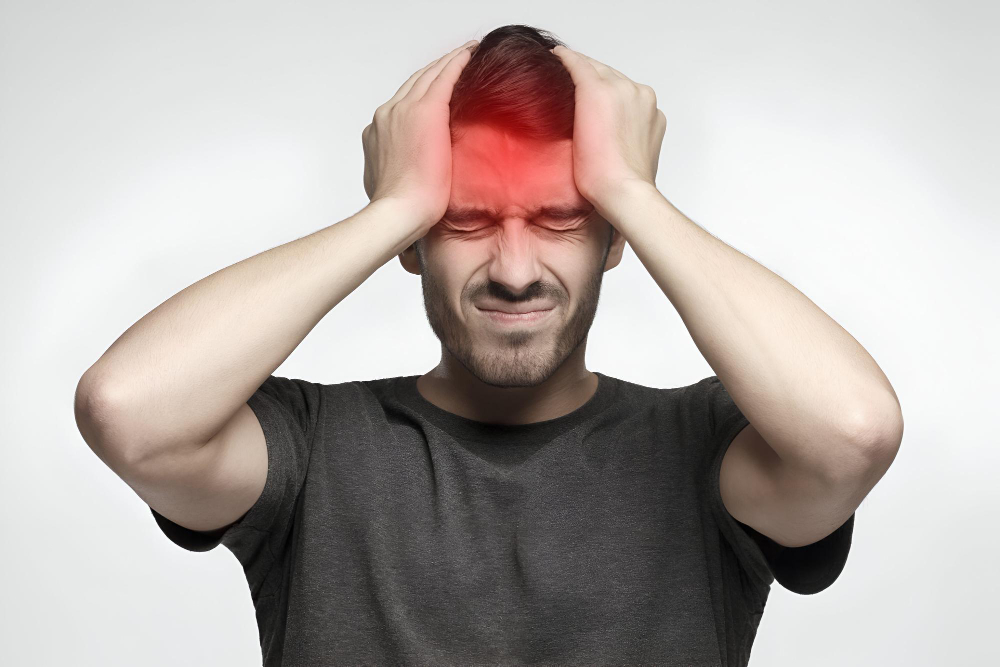
Occipital headaches and hypertension can be linked when cardiovascular strain raises pressure in the blood vessels near the base of your skull. High blood pressure does not always cause pain, but sudden spikes may trigger throbbing at the back of your head. Knowing the warning signs helps you act early and protect your health.
Pain at the back of your head can leave you worried, especially when you also live with high blood pressure. You may wonder if the two are connected. That worry makes sense. Occipital headaches and hypertension often show up together, and understanding how cardiovascular strain triggers head pain can bring you peace of mind. This short guide walks you through the link, the signs to watch for, and when to reach out for help. By the end, you will feel more confident about your health and know where to turn for care.
How Cardiovascular Strain Triggers Occipital Headaches and Hypertension
Your heart works hard every day to move blood through your body. When blood pressure climbs, that strain reaches the vessels near the base of your skull. This is the occipital region, and it is a common spot for pressure-related pain.
Cardiovascular strain does not always cause headaches. In fact, mild high blood pressure often has no symptoms at all. Pain tends to appear only when pressure rises to very high levels. At that point, blood flow to the head changes, and the pounding you feel at the back of your skull can begin.
The Role of Blood Pressure Spikes
A sudden spike in blood pressure puts extra force on your blood vessels. When a reading reaches 180/120 mm Hg or higher, this force can affect the vessels around the occipital region.
Here is how cardiovascular strain triggers head pain in this area:
- Increased pressure on blood vessels: High readings strain the vessels near the base of the skull, which can cause throbbing pain.
- Changes in blood flow: Sudden spikes alter how blood moves to the brain, leading to discomfort.
- Stress and tension: Worry and tension raise blood pressure and tighten muscles in the neck, adding to the pain.
You do not have to guess whether your pain is serious. Knowing these patterns helps you respond with calm and clarity.
Key Symptoms and Warning Signs to Watch For
A headache on its own is rarely a cause for alarm. Certain signs, though, deserve a closer look. Learning them helps you act with confidence rather than fear.
Signs That Need Attention
Watch for these warning signs:
- Pain at the back of the head: Throbbing or pressure near the base of your skull.
- A sudden, severe headache: Pain that comes on fast and feels different from your usual headaches.
- A very high reading: Head pain that appears when your blood pressure is 180/120 mm Hg or above.
- Other symptoms with the pain: Blurred vision, chest pain, shortness of breath, or confusion.
- Stress-linked pain: Headaches that flare during times of worry, tension, or low mood.
If these signs show up together, treat them seriously. Early action can prevent more serious problems later on.
When to See a Behavioral Health Specialist
Sometimes head pain is tied to more than blood pressure. Stress, anxiety, and low mood can raise your blood pressure and trigger headaches at the same time. Treating one without the other may leave you feeling stuck.
A behavioral health specialist can help you find the emotional triggers behind your pain. Counseling and simple coping tools can lower stress, which in turn may ease both your headaches and your blood pressure.
Consider reaching out if:
- Your headaches flare during times of stress or worry.
- Anxiety or low mood shows up alongside your pain.
- Head pain keeps you from work, sleep, or time with your family.
A mental health clinic in Brooklyn offers caring support close to home. You do not have to sort through these worries alone.
Take the Next Step Toward Peace of Mind
Occipital headaches and hypertension can feel frightening, but knowledge brings calm. Most headaches are not a sign of danger, yet the right warning signs deserve quick attention. Understanding how cardiovascular strain triggers head pain helps you act with confidence.
When head pain ties into stress, anxiety, or low mood, help is close at hand. Our behavioral health team is here to support you. A caring behavioral health specialist can help you understand the root cause and build a plan that fits your life. Reach out today by calling +1-718-367-2555 or visiting 1797 Pitkin Avenue, Brooklyn, NY 11212 to take the first step toward feeling better.