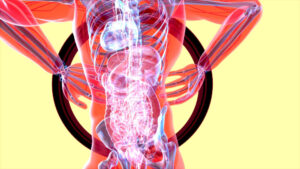
Caffeine and nutrients do not always mix well. Coffee can reduce how much iron, calcium, and certain B vitamins your body absorbs from food, especially when consumed close to mealtime. For most healthy adults, this effect is mild. For older adults or those managing chronic conditions, it can matter more. A nutritionist can help you build a routine that protects both your coffee habit and your nutrient intake.
Your morning cup of coffee feels like a small comfort, a steady part of the day you can count on. Learning that it might interfere with how your body absorbs nutrients can feel like one more thing to worry about, especially if you are caring for a parent or loved one with specific dietary needs.
You do not need to give up coffee. You just need to understand how coffee affects nutrient absorption, and what small adjustments can protect your health or the health of someone you love.
How Do Caffeine and Nutrients Interact in the Body?
Caffeine and nutrients interact in a few specific ways, mostly involving how your digestive system absorbs certain minerals and vitamins.
Iron Absorption and Coffee
Coffee is well known for reducing the absorption of non-heme iron, the type of iron found in plant foods like spinach, beans, and fortified cereals. Research published decades ago and confirmed since has found that drinking coffee with a meal can reduce iron absorption by a significant margin (NIH Office of Dietary Supplements, 2023). This matters most for people already managing low iron levels.
Calcium and Bone Health
Caffeine can also increase how much calcium your body loses through urine. The effect is modest, but it adds up over time, particularly for older adults already at risk for weakened bones.
B Vitamins and Hydration
Coffee’s mild diuretic effect can lead to faster loss of water-soluble B vitamins. Staying hydrated throughout the day helps offset this.
How Coffee Affects Nutrient Absorption for Older Adults
Age changes how your body processes both caffeine and nutrients. Your loved one may already take medications or supplements that are sensitive to timing around meals and beverages.
A few simple habits can help:
- Wait after meals. Drinking coffee an hour before or after eating reduces its impact on iron and calcium absorption.
- Pair with vitamin C. Foods rich in vitamin C help your body absorb non-heme iron even when coffee is nearby.
- Space out supplements. Taking calcium or iron supplements away from coffee improves how well your body uses them.
- Track total caffeine intake. This includes tea and soda, not just coffee, since caffeine and nutrients interact the same way regardless of the source.
When Should You Talk to a Nutritionist?
If your loved one has anemia, osteoporosis, or another condition tied to nutrient levels, this is worth raising with a nutritionist. A nutritional consultant in Brooklyn working alongside your home care team can review daily habits, including coffee timing, and build a plan that fits your family’s routine.
Bringing a simple list of daily food, drink, and supplement habits to your next visit gives your nutritionist a full picture. This small step can prevent gaps in nutrition before they start.
You Deserve Support, Not Guesswork
Caring for a loved one’s nutrition should not feel like solving a puzzle alone. With the right guidance from a nutritionist, you can keep coffee in the routine while protecting the nutrients that matter most.
Our Nutrition team is here to help you understand how daily habits like coffee affect nutrient absorption and overall health. Reach out to us today by calling +1-718-367-2555 or visiting us at 1797 Pitkin Avenue, Brooklyn, NY 1121 for coordinated care that supports your family’s well-being.