Most patients can safely take the subway one to two weeks after minimally invasive bunion surgery, once swelling decreases and walking in a surgical shoe feels stable. Your recovery timeline depends on the extent of your procedure and how your foot is healing. A podiatrist can confirm when public transit is safe for you specifically.
Getting back on your feet after bunion surgery is a process, and getting back on the subway raises its own set of questions. Standing on a moving train, navigating stairs, and walking to and from the platform all put pressure on a foot that needs time to heal. If you are wondering how soon you can take the subway after minimally invasive bunion surgery, the answer depends on your specific recovery and how your foot responds in the first few days. Understanding what affects that timeline can help you plan your return to daily routines with confidence, rather than guesswork.
How Soon Can You Take the Subway After Minimally Invasive Bunion Surgery?
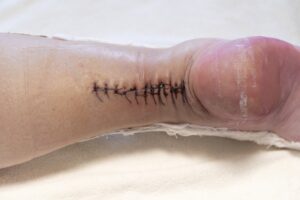
For many patients, light travel by subway becomes possible within one to two weeks after surgery. Minimally invasive procedures typically involve smaller incisions and less tissue disruption than traditional bunion surgery, which often means a faster return to walking. That said, every foot heals differently, and your podiatrist will base this timeline on your specific procedure and progress.
What Affects Your Recovery Timeline?
Several factors influence when public transit becomes a safe option again.
- Type of procedure performed. Some minimally invasive techniques allow weight-bearing almost immediately, while others require a short period of limited walking.
- Swelling and pain levels. Standing or walking too soon can increase swelling, which slows healing.
- Balance and stability. Crowded subway cars require quick shifts in balance, which can be difficult in the early recovery period.
- Distance to the station. Longer walks to and from a subway stop add strain that your foot may not be ready for.
Signs You Might Not Be Ready Yet
Pay attention to your body before heading underground. Increased swelling, throbbing pain, or difficulty putting weight on your foot are all signs that more rest is needed. Pushing through these symptoms can delay healing rather than speed it up.
How Can You Prepare for Your First Subway Ride After Surgery?
Once your podiatrist gives you the go-ahead, a few precautions can make your first trip smoother and safer.
- Wear your surgical shoe or boot exactly as instructed, even for short trips.
- Choose off-peak travel times to avoid crowded platforms and cars.
- Use handrails and elevators whenever possible instead of stairs or escalators.
- Bring a seat cushion or plan to sit rather than stand for the full ride.
- Carry your podiatrist’s contact information in case questions come up while you are out.
What Are the Risks of Taking the Subway Too Soon?
Returning to public transit before your foot is ready can lead to setbacks. Extended standing or walking may increase swelling and slow the healing of your incision. In some cases, added stress on the foot can shift surgical hardware or irritate the healing bone. If a trip is not essential, waiting a few extra days can make a meaningful difference in your overall recovery.
Trust Your Recovery to Our Podiatry Department
You do not have to guess when it is safe to get back to your routine. Every recovery is different, and a podiatrist can give you guidance built around your specific procedure and progress. If you are recovering from bunion surgery and have questions about returning to daily activities like commuting, our podiatry clinic in Brooklyn is here to help. Reach out to our podiatry team today by calling +1-718-367-2555 or visiting us at 1797 Pitkin Avenue, Brooklyn, NY 1121 to schedule a follow-up and get personalized guidance for your recovery.