During an in-office cortisone injection for heel spurs, your podiatrist cleans the area, applies a local anesthetic, then injects a small amount of cortisone directly into the inflamed tissue near your heel. The procedure typically takes just a few minutes, and most patients feel relief within a few days. Mild soreness at the injection site is normal and usually fades quickly.
Heel pain has a way of interrupting even the simplest parts of your day, from walking the dog to standing in the kitchen. If your podiatrist has recommended a cortisone injection to treat your heel spur, it is normal to feel a little nervous about what comes next. Understanding what to expect during in-office cortisone injections for heel spurs can help ease that uncertainty and prepare you for a smooth, comfortable visit. This guide walks you through each step, from preparation to recovery, so you can feel confident heading into your appointment.
What to Expect During In-Office Cortisone Injections for Heel Spurs
Cortisone injections are a common, minimally invasive treatment for heel spurs and the inflammation they cause. Your podiatrist will typically recommend this option when rest, stretching, and over-the-counter pain relief have not provided enough relief.
Before the Injection
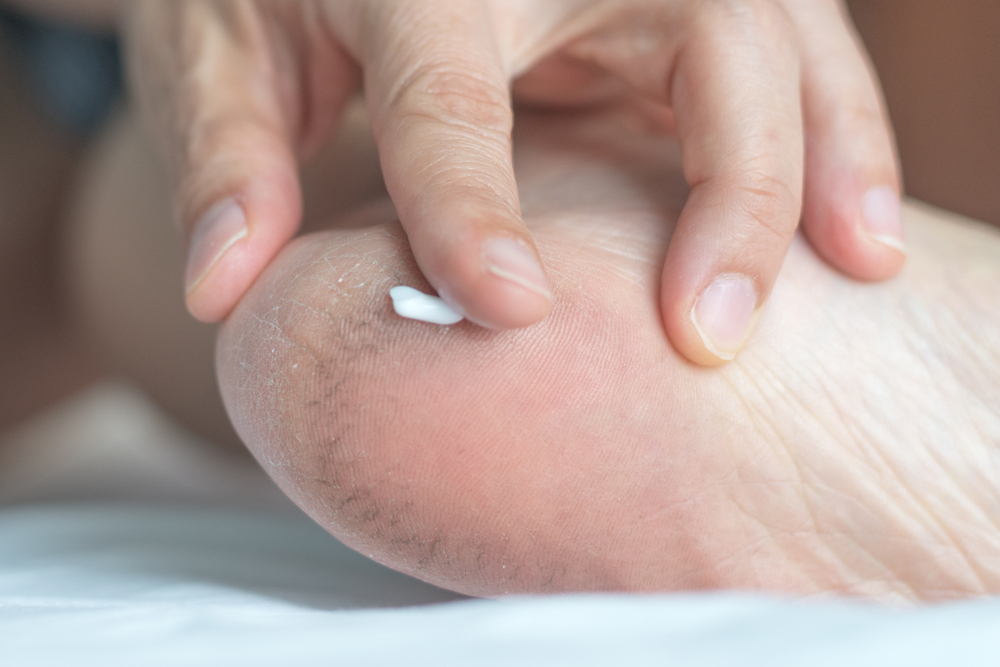
Your podiatrist will examine your heel and may use an ultrasound to pinpoint the exact area of inflammation. The skin around your heel is cleaned thoroughly to reduce the risk of infection, and a topical or local anesthetic may be applied to numb the area.
During the Procedure
The injection itself usually takes only a few minutes. A thin needle delivers a small dose of cortisone directly into the inflamed tissue near your heel spur. You may feel brief pressure or a quick pinch, but the discomfort is generally mild and short-lived.
After the Injection
You should be able to walk out of the office and return to most daily activities right away. Some soreness or mild swelling at the injection site is common for a day or two. Many patients notice a reduction in heel pain within three to seven days, though full relief can take a little longer.
How Can You Prepare for Your Cortisone Injection Appointment?
A little preparation can make your visit go more smoothly.
- Wear comfortable shoes. Slip-on shoes make it easier to access your heel and avoid unnecessary pressure afterward.
- Share your full medical history. Let your podiatrist know about any blood thinners, allergies, or prior injections.
- Plan for light activity afterward. While you can usually drive yourself home, taking it easy for the rest of the day supports healing.
- Ask questions ahead of time. A trusted podiatrist will walk you through the procedure and address any concerns before you begin.
What Are the Risks and Side Effects?
Cortisone injections are generally safe, but like any medical procedure, they carry some risk. Temporary soreness, minor bruising, or slight skin discoloration near the injection site are the most common side effects. Repeated injections in the same area over time may weaken surrounding tissue, which is why podiatrists typically limit how often they are given. If you notice increasing pain, redness, or swelling after your injection, contact your podiatrist right away.
Trust Your Heel Pain Relief
Living with heel pain can feel exhausting, especially when it affects the things you enjoy most. You do not have to manage that pain alone. Our podiatry team offers experienced, compassionate care to help you understand your treatment options and feel confident every step of the way. Reach out to us today by calling +1-718-367-2555 or visiting us at 1797 Pitkin Avenue, Brooklyn, NY 1121 to schedule a consultation and take the next step toward lasting relief.