Custom medical insoles can significantly reduce shin splint pain caused by pavement running by correcting improper foot alignment and absorbing repetitive impact. While insoles alone may not resolve every case, when paired with rest and proper footwear, they address one of the most common root causes of shin splints: poor shock absorption on hard surfaces. A podiatrist can determine if custom insoles are right for you.
Shin splints have a way of turning a simple run into a painful chore. If pavement running has left you with a dull, persistent ache along your shin bone, you are probably wondering whether custom medical insoles can actually help. The good news is that for many runners, the answer is yes. This guide explains how custom insoles work, why pavement running makes shin splints more likely, and when it is time to talk to a podiatrist about a long-term solution.
How Do Custom Medical Insoles Help With Shin Splints From Pavement Running?
Pavement is unforgiving. Unlike trails or tracks, hard asphalt sends shock straight up through your feet, ankles, and shins with every stride. Over time, that repeated impact can strain the muscles and tissue connecting to your shin bone, leading to the burning or aching pain known as shin splints.
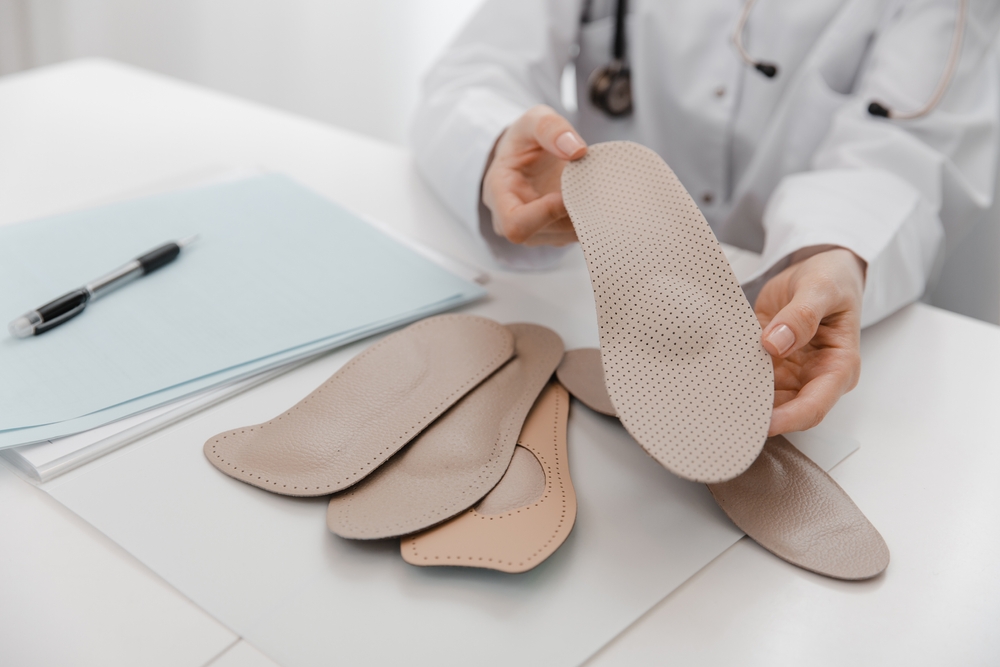
Custom medical insoles are designed to address this at the source. They support your foot’s natural arch, correct alignment issues like overpronation, and cushion the impact before it travels up your leg. This combination is often what separates custom insoles from generic store-bought inserts.
Why Alignment Matters
When your foot rolls inward too much while running, it places extra stress on your shin muscles. A podiatrist can assess your gait and determine whether this misalignment is contributing to your pain. Custom insoles are molded specifically to your foot, correcting that motion in a way generic insoles cannot.
Why Shock Absorption Matters
Repetitive pounding on pavement is a leading cause of shin splints in runners. Custom insoles reduce the force transmitted through your lower leg with each step, giving your shin tissue a chance to recover between runs instead of accumulating stress.
What Else Can You Do to Relieve Shin Splint Pain?
Insoles work best as part of a broader recovery plan. Consider pairing them with:
- Rest and modified activity. Reducing mileage or switching to softer surfaces temporarily gives inflamed tissue time to heal.
- Proper footwear. Shoes with adequate cushioning and support work alongside custom insoles rather than replacing them.
- Stretching and strengthening. Calf and shin exercises help build resilience against future strain.
- Ice and gradual return. Icing the area and slowly reintroducing pavement running can prevent the pain from returning.
When Should You See a Podiatrist?
If your shin splints persist beyond two weeks despite rest and home care, it is time to schedule an appointment with a podiatrist. Persistent pain can sometimes signal a stress fracture rather than simple shin splints, and only a proper evaluation can tell the difference. A podiatrist can also fit you for custom insoles designed specifically for your foot structure and running habits, rather than a generic solution that may not address your particular pain.
Find Relief
You do not have to keep running through the pain or stop running altogether. Our podiatry clinic in Brooklyn offers thorough evaluations and custom insole fittings designed around how you actually move. Reach out to our podiatry team today by calling +1-718-367-2555 or visiting us at 1797 Pitkin Avenue, Brooklyn, NY 1121 to schedule a consultation and take the next step toward pain-free pavement running.