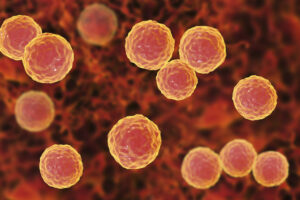
Combating recurrent C. diff starts with strict hygiene guidelines to stop spore spread, since C. diff spores survive on surfaces and resist regular hand sanitizer. Washing hands with soap and water, disinfecting with bleach-based cleaners, and isolating contaminated laundry are the most effective defenses. An infectious disease specialist can help build a prevention plan tailored to your loved one’s recovery.
Watching a loved one recover from C. diff, only to see the symptoms return, is exhausting and frightening. You clean, you worry, and you wonder what you might be missing. The truth is, C. diff spores are tougher than most household germs, and ordinary cleaning habits often are not enough to stop them.
Combating recurrent C. diff requires more than good intentions. It requires specific hygiene guidelines to stop spore spread in the home, especially when your loved one’s immune system is still healing. Below, we walk through what makes these spores so persistent and the steps that genuinely make a difference.
Why Are C. Diff Spores So Hard to Eliminate?
Clostridioides difficile, known as C. diff, produces spores that can survive on surfaces for weeks or even months. Unlike many bacteria, these spores are not destroyed by alcohol-based hand sanitizer. According to the Centers for Disease Control and Prevention, C. diff causes nearly half a million infections in the United States each year, and recurrence happens in about 1 in 6 patients within two to eight weeks of their first infection.
This is why combating recurrent C. diff depends so heavily on physical removal of spores, not just general disinfection.
What Hygiene Guidelines Stop Spore Spread at Home?
The good news is that specific, consistent habits can dramatically reduce the risk of reinfection. Your loved one’s recovery depends on a few key practices done correctly and repeated often.
Hand Hygiene That Actually Works
- Soap and water first: Scrubbing hands for at least 20 seconds physically removes spores that sanitizer leaves behind.
- Every contact counts: Wash hands after using the bathroom, before meals, and after any contact with laundry or soiled surfaces.
- Caregivers included: Anyone assisting with care should follow the same routine, every time.
Surface and Laundry Disinfection
- Bleach-based cleaners: The Environmental Protection Agency recommends EPA-registered, spore-killing disinfectants for bathrooms, doorknobs, and shared surfaces.
- Hot water for laundry: Wash bedding and clothing separately in hot water with bleach when safe for the fabric.
- Dedicated bathroom items: If possible, your loved one should use a separate bathroom or have their own toilet brush and cleaning supplies.
Supporting the Gut While Preventing Spread
Antibiotics can disrupt the healthy bacteria that normally keep C. diff in check. Your loved one’s physician may discuss probiotics or alternative antibiotic choices as part of a broader prevention plan. An infectious disease specialist can review your loved one’s full medical history to identify what triggered the infection and how to lower the risk of it happening again.
When Should You Involve an Infectious Disease Specialist?
If your loved one has experienced more than one episode of C. diff, it is time to bring in extra support. An infectious disease specialist can evaluate underlying risk factors, recommend advanced treatment options, and coordinate closely with home caregivers on hygiene protocols that fit your household.
Families managing recurrent infections often turn to infectious disease doctors in Brooklyn for this kind of hands-on guidance, particularly when home visits are already part of a loved one’s recovery routine. Having infectious disease doctors in Brooklyn involved early can mean fewer setbacks and a clearer path forward.
You Do Not Have to Manage This Alone
Combating recurrent C. diff takes patience, consistency, and the right support system. Small, daily habits make a real difference, but you should not have to figure them out by yourself. Our infectious disease specialists work directly with families and home care teams to build hygiene plans that protect your loved one and give you peace of mind. Reach out today by calling +1-718-367-2555 or visiting us at 1797 Pitkin Avenue, Brooklyn, NY 1121 to schedule a consultation and take the next step toward lasting recovery.