Invasive systemic fungal infections occur when fungi move beyond the skin or lungs into the bloodstream, organs, or central nervous system. Recognizing risks in weakened immunity means watching for persistent fever, fatigue, and respiratory symptoms that do not improve with standard treatment. Patients with cancer, organ transplants, or autoimmune conditions face the greatest danger. An infectious disease specialist can identify these infections early and guide the right course of treatment.
A fever that will not break. Exhaustion that feels different from ordinary tiredness. For someone with a weakened immune system, these small signals can point to something serious. Invasive systemic fungal infections are rare in healthy people, but they pose a real threat to those whose immune defenses are already compromised.
Recognizing risks in weakened immunity early can mean the difference between a manageable infection and a life-threatening emergency. This guide walks through what these infections are, who faces the highest risk, and how an infectious disease specialist can help protect your loved one.
What Are Invasive Systemic Fungal Infections?
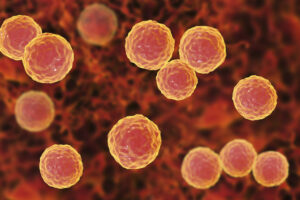
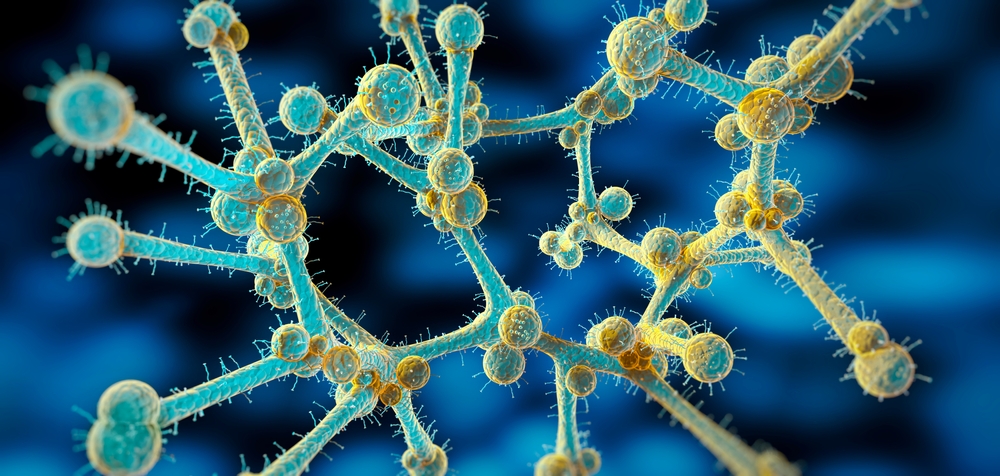
Invasive systemic fungal infections happen when fungi that normally live harmlessly on the skin or in the environment enter the bloodstream or internal organs. Common culprits include Candida, Aspergillus, and Cryptococcus. Unlike a surface-level yeast infection, these invasive forms can spread to the lungs, brain, heart, or kidneys.
A healthy immune system usually keeps these fungi in check. When immunity is weakened, whether from illness, medication, or medical treatment, fungi can multiply and travel through the body largely unchecked. This is why recognizing risks in weakened immunity matters so much for families caring for vulnerable loved ones.
Recognizing Risks in Weakened Immunity
Not everyone faces the same level of danger from fungal infections. Certain health conditions and treatments raise the risk significantly, and knowing the warning signs can help your family act quickly.
Who Is Most at Risk?
Your loved one may be at higher risk if they have:
- Cancer undergoing chemotherapy: Treatment suppresses the immune system’s ability to fight off fungal invaders.
- A recent organ or stem cell transplant: Anti-rejection medications lower immune defenses for months or years.
- Uncontrolled HIV/AIDS: Low CD4 counts leave the body unable to fend off opportunistic infections.
- Long-term corticosteroid or immunosuppressant use: These medications, often prescribed for autoimmune disease, reduce the body’s natural resistance.
- Prolonged ICU stays, or central line catheters: Extended hospitalization and invasive devices create entry points for fungi.
Warning Signs to Watch For
Symptoms of invasive systemic fungal infections often mimic other illnesses, which makes early recognition difficult. Watch for:
- Fever that persists despite antibiotics
- Chills and night sweats
- Shortness of breath or a persistent cough
- Confusion or changes in mental alertness
- Skin lesions that do not heal
If your loved one shows these signs and has a weakened immune system, do not wait to seek medical attention. Early evaluation gives doctors the best chance to catch the infection before it spreads further.
How an Infectious Disease Specialist Can Help
Diagnosing invasive systemic fungal infections requires specialized testing, including blood cultures, imaging, and sometimes tissue biopsies. An infectious disease specialist has the training to interpret these results accurately and distinguish a fungal infection from a bacterial or viral one, which require entirely different treatments.
Beyond diagnosis, an infectious disease specialist develops a treatment plan tailored to your loved one’s overall health, often coordinating antifungal medications with other ongoing treatments like chemotherapy or transplant care. This kind of coordinated approach reduces the risk of drug interactions and helps your loved one recover with fewer setbacks.
Families in New York often turn to infectious disease doctors in Brooklyn when a loved one’s immune system is already under strain from cancer treatment or transplant recovery. Having infectious disease doctors in Brooklyn involved early means faster diagnosis and a treatment plan built around your loved one’s specific needs.
You Are Not Alone in This
Watching a loved one face a serious infection while their immune system struggles to keep up is frightening. You do not have to navigate it without support. Our infectious disease specialists work closely with patients and families to identify risks early, diagnose accurately, and build treatment plans that protect long-term health. Reach out today by calling +1-718-367-2555 or visiting us at 1797 Pitkin Avenue, Brooklyn, NY 1121 to schedule a consultation and get the answers your family needs.