Feeling tired before your day even begins is exhausting in a way that coffee cannot fix. If a recent lab result showed low ferritin, you already know that correcting it is rarely as simple as eating more spinach or swallowing a supplement. Understanding the difference between heme and non-heme iron is the first real step toward boosting ferritin without digestive distress, and it changes how you approach every meal and every supplement bottle from here on out.
Many people try an iron supplement and stop within days because of nausea, cramping, or constipation. That reaction is common, and it does not mean your body is incapable of absorbing iron. It usually means you are using the wrong form, or introducing it the wrong way. A nutritionist can help you find a gentler path forward, one that restores your ferritin levels without punishing your gut along the way.
What Is the Difference Between Heme and Non-Heme Iron?
Not all iron behaves the same way once it reaches your body. Knowing which type you are eating, and how well you actually absorb it, makes all the difference in your results.
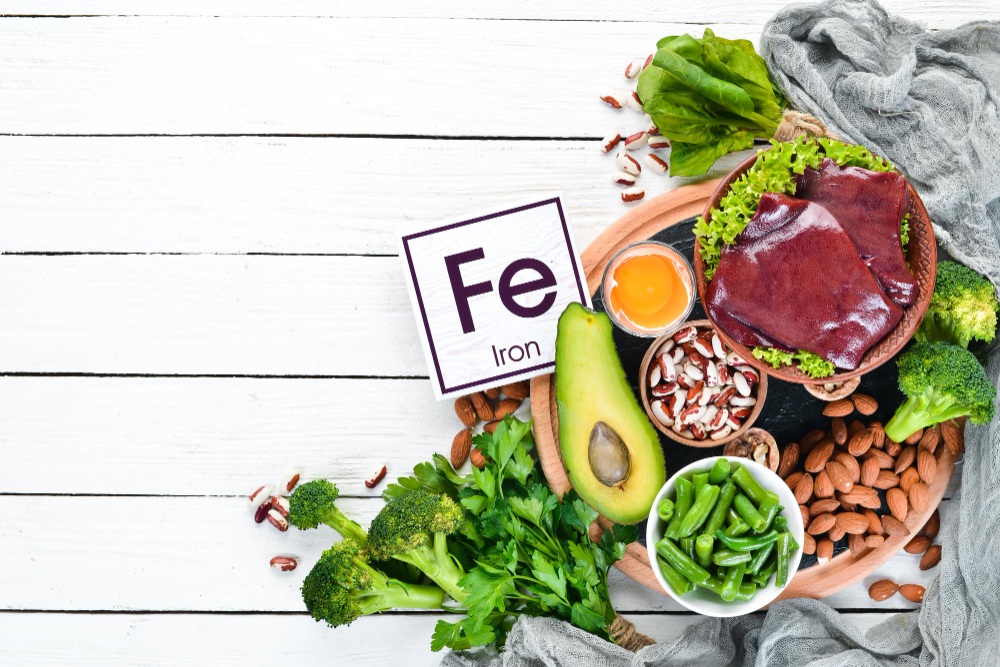
Heme iron comes from animal sources, including red meat, poultry, and fish. Your body absorbs it easily because its structure closely matches the iron already found in your blood.
Non-heme iron comes from plant sources like beans, lentils, spinach, and fortified grains. This form is harder for your body to absorb, and it is sensitive to what else is on your plate. Tannins in tea and calcium in dairy can block non-heme absorption, while vitamin C tends to improve it.
This distinction explains why two people eating what looks like the same iron-rich diet can end up with very different ferritin results.
Boosting Ferritin Without Digestive Distress
Raising ferritin does not have to mean stomach pain. The right sources, paired with the right timing, make the process far more comfortable.
Heme Iron Sources
Beef, lamb, turkey, chicken, and shellfish are dependable heme iron sources. Because this form is absorbed so efficiently, even modest portions can move your ferritin levels over time.
Non-Heme Iron Sources and Absorption Tips
Lentils, chickpeas, tofu, and dark leafy greens are strong non-heme options. Pairing them with vitamin C, such as citrus fruit or bell peppers, can meaningfully improve how much iron your body actually absorbs.
Practical Tips for Increasing Iron Intake Gently
- Split your dose. A smaller amount of iron taken twice a day, rather than one large dose, often reduces nausea and cramping.
- Separate iron from calcium. Dairy and calcium supplements can interfere with absorption, so space them away from iron-rich meals.
- Add vitamin C. A glass of orange juice or a handful of strawberries alongside a plant-based meal can boost non-heme absorption.
- Choose a gentler supplement form. Iron bisglycinate tends to be easier on the stomach than ferrous sulfate.
When to See a Nutritionist
If fatigue, dizziness, or brain fog continues despite changes to your diet, it is time to bring in professional support. You do not have to guess your way through this. A nutritionist can review your lab work, identify what is limiting your absorption, and build a plan suited to your digestive tolerance. Working with a nutritional consultant in Brooklyn also means someone is tracking your progress and adjusting your plan as your ferritin levels improve.
You Do Not Have to Figure This Out Alone
Boosting ferritin without digestive distress is possible with the right guidance. Our Nutrition team works with clients to identify absorption barriers, choose gentler iron sources, and monitor progress every step of the way. If you are looking for support from a nutritional consultant in Brooklyn, reach out today by calling +1-718-367-2555 or visiting us at 1797 Pitkin Avenue, Brooklyn, NY 1121 to schedule a consultation.