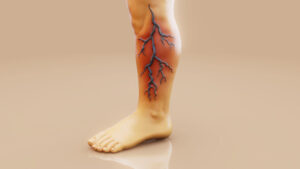
Cold weather causes your blood vessels to narrow, which raises winter blood pressure by forcing your heart to work harder to move blood through your body. You can track these seasonal changes safely by measuring blood pressure at home with a validated upper-arm monitor, at the same time each day, after sitting quietly for five minutes.
If you have noticed your blood pressure numbers creeping up once the temperature drops, you are not imagining it. This is a real, well-documented pattern, and it can feel unsettling when a reading that looked fine in summer suddenly looks concerning in January. The good news is that this rise in winters has a clear physical explanation, and there are simple steps you can take to monitor it from the comfort of your own home.
Why Does Blood Pressure Rise in Winter?
Your body responds to cold temperatures by narrowing your blood vessels, a process called vasoconstriction. This is your body’s natural way of conserving heat and protecting your internal organs. But narrower vessels mean your heart has to pump harder to push blood through them, and that extra effort shows up as higher blood pressure readings.
Several other winter habits can add to this effect. Many people exercise less during colder months, eat heavier, saltier comfort foods, and experience more stress around the holidays. Shorter daylight hours can also disrupt sleep, which further affects your cardiovascular system. Together, these seasonal shifts explain why winter blood pressure readings often run higher than the ones you see in warmer months.
Who Is Most at Risk?
Not everyone experiences the same degree of change, but certain groups should pay closer attention:
- Older adults. Aging blood vessels are less flexible and respond more dramatically to cold.
- People with existing heart or kidney conditions. These conditions already place extra strain on the cardiovascular system, and cold weather can compound that strain.
- Anyone on blood pressure medication. Dosages that worked well in summer may need to be reevaluated as winter sets in.
How to Measure Blood Pressure at Home Accurately
Home monitoring gives you and your doctor a clearer picture than an occasional office visit alone. To get accurate results, keep these steps in mind.
Choose the Right Monitor
Pick a validated, upper-arm cuff monitor rather than a wrist or finger device. Upper-arm monitors are more consistently accurate and are the type most cardiologists recommend.
Follow a Consistent Routine
- Sit quietly for five minutes before measuring, with your back supported and feet flat on the floor.
- Rest your arm on a table at heart level.
- Avoid caffeine, exercise, or smoking for 30 minutes beforehand.
- Take your reading at the same time each day, ideally morning and evening.
Track and Share Your Results
Keep a simple log of your readings, including the date and time. Bringing this log to your appointments helps your doctor spot patterns, including any rise in winters that might call for a treatment adjustment.
When to Reach Out to a Doctor
A single high reading is rarely an emergency, but a consistent upward trend deserves attention. If your home readings are regularly higher than your doctor’s target range, or if you experience symptoms like chest discomfort, shortness of breath, or severe headaches, do not wait for your next scheduled appointment.
Finding the best cardiologist in Brooklyn for ongoing, seasonal care means you have a trusted partner who understands how winter affects your heart and adjusts your care accordingly.
Take the Next Step Toward a Healthier Heart
If you’re experiencing symptoms of a blocked artery or want to learn more about your treatment options, our Cardiology team is here to help. Reach out to us today by calling +1-718-367-2555 or visiting us at 1797 Pitkin Avenue, Brooklyn, NY 11212 to schedule a consultation and take the next step toward a healthier heart.