Something feels off, and you cannot quite explain it. Maybe it is unexplained weight gain, constant exhaustion, or dizzy spells that come out of nowhere. For many families, these small signals get brushed aside until they become harder to ignore. This is where health education, preventive care, and annual check-ups make a real difference.
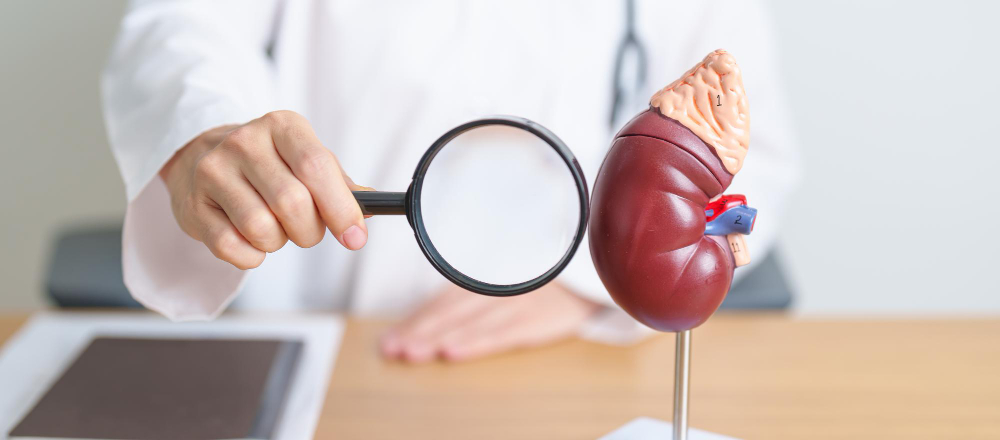
Your adrenal glands are small, but they carry a big job. They sit above your kidneys and release hormones that control stress, blood pressure, metabolism, and more. When they stop working properly, your whole body feels it.
In this guide, you will learn:
- The most common adrenal gland disorders
- The symptoms worth watching for
- Simple steps to protect your health
Understanding How Your Adrenal Glands Work
Your adrenal glands produce hormones like cortisol, aldosterone, and adrenaline. These hormones help you respond to stress, balance salt and water, and keep your energy steady throughout the day.
When hormone levels swing too high or too low, symptoms follow. Because these signs often look like everyday tiredness or stress, they are easy to miss. That is exactly why regular monitoring matters so much.
Building strong health awareness helps you notice changes early. Many families first spot a problem simply because they scheduled a routine visit and asked the right questions. If you have noticed persistent symptoms, connecting with your primary care team is a caring first step toward answers.
Common Adrenal Gland Disorders and Their Symptoms
Adrenal disorders come in several forms. Knowing what to look for gives you the power to act sooner rather than later.
Cushing’s Syndrome
Cushing’s syndrome happens when your body has too much cortisol over a long period. It can develop slowly, which makes it tricky to catch.
Watch for these signs:
- Weight gain, especially around the face and midsection
- Thin, fragile skin that bruises easily
- High blood pressure and mood changes
- Muscle weakness and slow wound healing
Addison’s Disease
Addison’s disease is the opposite problem. Here, your adrenal glands do not make enough cortisol or aldosterone.
Common symptoms include:
- Extreme fatigue that does not improve with rest
- Weight loss and reduced appetite
- Darkening of the skin in patches
- Low blood pressure and salt cravings
Left untreated, Addison’s disease can lead to a serious event called an adrenal crisis. The good news is that early testing and treatment help most people manage it well.
Pheochromocytoma
This rare tumor forms in the adrenal gland and triggers extra adrenaline. The result is sudden, intense episodes.
You may notice:
- Racing heartbeat and pounding pulse
- Severe headaches that come in waves
- Heavy sweating and anxiety
- Spikes in blood pressure
Because these episodes can seem random, keeping a symptom log helps your doctor connect the dots.
How Preventive Care and Annual Check-Ups Protect You
You do not have to wait for a crisis to take action. Preventive care and annual check-ups give your doctor a baseline to compare against over time.
During a routine visit, your provider can:
- Measure your blood pressure and hormone-related markers
- Ask about fatigue, weight changes, and mood shifts
- Order simple blood tests when something looks unusual
- Catch small problems before they grow
Regular screening is one of the strongest tools you have. A simple annual physical exam can reveal patterns that a single bad week would never show. For families balancing busy schedules, this small habit brings real peace of mind.
Health awareness starts with knowing your own body and speaking up when something changes. To go deeper, our article on managing chronic conditions at home offers practical tips for staying on track between visits.
Simple Steps to Support Adrenal Health
You can take everyday actions to support your hormones and overall wellbeing:
- Manage stress through rest, movement, and connection
- Eat balanced meals with steady salt and sugar intake
- Track symptoms and share them at your next visit
- Follow medication plans exactly as prescribed
- Stay consistent with preventive care and annual check-ups
These habits will not replace medical care, but they build a strong foundation. Paired with regular guidance from a trusted provider, they help you stay ahead of problems.
Take the Next Step Toward Peace of Mind
Adrenal disorders can feel overwhelming, especially when symptoms sneak up slowly. You are not meant to sort through this alone. With the right support, most conditions are manageable and treatable.
If you or your loved one has noticed ongoing fatigue, weight changes, or blood pressure concerns, do not wait. Reach out to us today by calling us at +1-718-367-2555 or visit us at 1797 Pitkin Avenue, Brooklyn, NY 11212 to connect with our care team, who can help you or your loved one get the care and guidance you deserve.