A syphilis diagnosis can feel incredibly overwhelming, especially if your initial symptoms seem to vanish without any medical intervention. When the first painless sore heals, you might mistakenly assume the infection is completely gone. However, without proper antibiotics, the harmful bacteria continue to multiply and spread through your bloodstream.
This dangerous progression marks the second stage of the infection. We created this comprehensive guide on secondary syphilis to help you understand exactly what is happening inside your body during this phase. By learning to recognize the hidden signs early, you can take immediate, proactive steps to clear the infection and protect your long-term sexual health. Let us explore the most common symptoms and your best options for effective treatment. Reach out to us on https://doralhw.org/contact-us/ for a consultation with the best infectious disease doctors in Brooklyn, New York.
Navigating Our Comprehensive Guide on Secondary Syphilis
The secondary stage of this infection typically begins several weeks or even a few months after the primary sore heals. During this time, the bacteria travel throughout your entire body, triggering a widespread immune response.
Common Symptoms to Watch For
Because this infection affects your whole system, the warning signs are often diverse and confusing. Secondary syphilis frequently mimics other common illnesses. Pay close attention if you experience:
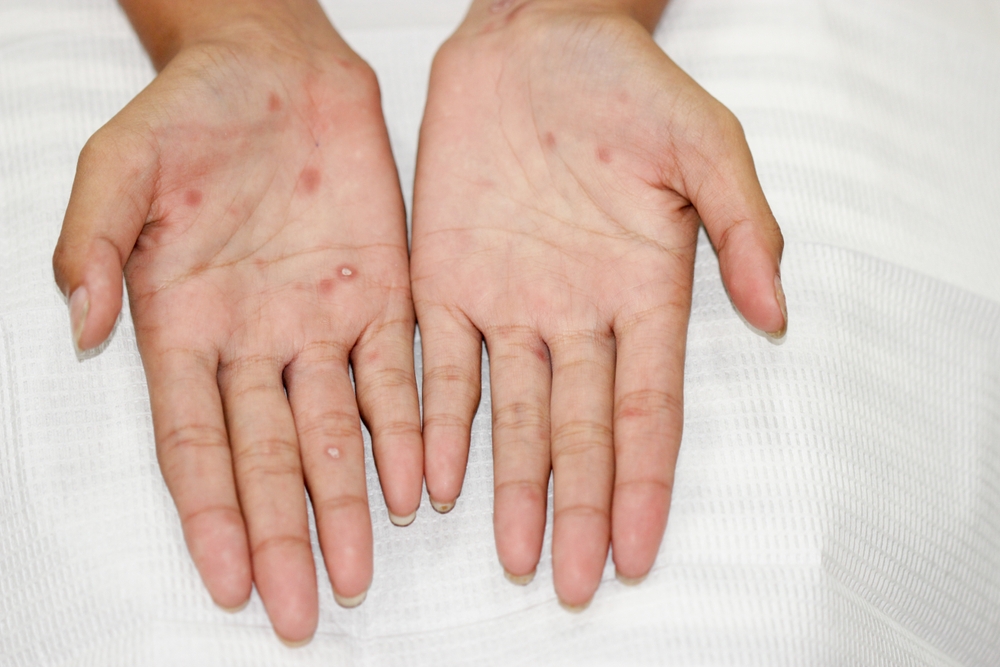
- Skin rashes: Rough, red, or reddish-brown spots typically appear on the palms of your hands and the bottoms of your feet. These rashes usually do not itch.
- Flu-like symptoms: You might develop a mild fever, a persistent sore throat, muscle aches, and extreme fatigue.
- Swollen lymph nodes: Glands in your neck, armpits, or groin may feel enlarged and tender.
- Patchy hair loss: You might notice sudden, unexplained thinning of the hair on your scalp, eyebrows, or beard.
The Role of an Infectious Disease Specialist
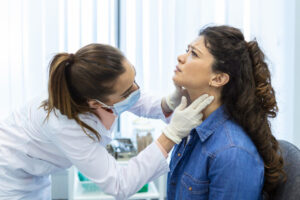
Because these symptoms easily resemble common allergies or the flu, getting an accurate diagnosis is critical. Relying on guesswork puts your health at severe risk. You need to consult an infectious disease specialist to run targeted blood panels, such as the VDRL test. An infectious disease specialist knows exactly how to interpret these complex lab results and can confidently rule out other potential causes for your rash and fever.
How to Treat and Manage the Infection
The good news is that secondary syphilis remains highly curable. The standard treatment involves a straightforward regimen of prescription antibiotics, most commonly penicillin.
If you ignore the symptoms during this secondary phase, the signs will eventually disappear again. However, the bacteria will silently advance into the latent and tertiary stages. Late-stage syphilis causes devastating, irreversible damage to your heart, brain, and nervous system.
Where to Find Expert Medical Care
Securing fast, confidential care is your best defense against long-term complications. If you live in New York, visiting infectious disease doctors in Brooklyn clinic settings ensures you receive the highest standard of localized treatment. These medical teams provide a safe, judgment-free environment to discuss your sexual health.
When you partner with experienced infectious disease doctors in Brooklyn clinic locations, you get a personalized treatment timeline. Your medical team will administer the correct antibiotics, help notify past sexual partners if necessary, and schedule follow-up blood work to verify that the infection is entirely gone.
Conclusion
You do not have to navigate a complex sexually transmitted infection on your own. By understanding the symptoms outlined in this comprehensive guide on secondary syphilis, you can confidently take control of your medical journey. Do not wait for your rash to fade or your fever to break before seeking help. Take the bold step to protect your future vitality today. Reach out to our infectious disease providers immediately to book your appointment now. Call us on + 1-718-367-2555 to get treated! Learn more about infectious diseases at www.doralhw.org. and stay up to date on current health topics and new research, on recent infectious diseases like COVID-19. If you need help, register your information and make direct contact with our doctors at https://yuz88hfiyh7.typeform.com/Doralintake. Or visit us at 1797 Pitkin Avenue, Brooklyn, NY 11212.