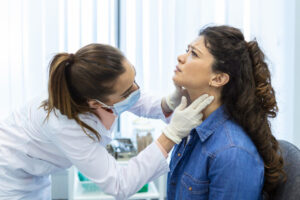
Routine blood tests often come with a confusing alphabet soup of medical names. If your doctor recently ordered a syphilis screening, you might feel a little anxious or overwhelmed. Understanding exactly what this screening entails can quickly put your mind at ease. We put together a list of the top things you should know about VDRL test results and preparation.
The VDRL procedure is a fast, highly effective way to detect antibodies related to syphilis, a common sexually transmitted infection. By learning how this simple blood test works, you can take control of your sexual health and get the right treatment when you need it most. Let us explore the screening process, what your results mean, and what steps you should take next. Reach out to us on https://doralhw.org/contact-us/ for a consultation with the best infectious disease doctors in Brooklyn, New York.
Important Things You Should Know About VDRL Test Screening
Taking charge of your health means understanding your lab work. The Venereal Disease Research Laboratory (VDRL) test checks your blood for specific antibodies. Your body makes these unique proteins when fighting off bacteria, specifically the bacteria that cause syphilis. The test does not look for the actual bacteria themselves, but rather your immune system’s response to them.
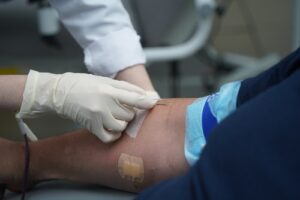
What to Expect During the VDRL Procedure
The VDRL procedure is incredibly straightforward and virtually painless. It requires a standard blood draw. A healthcare professional will clean the inside of your elbow, insert a small needle, and collect a small tube of blood. The entire VDRL procedure takes less than five minutes. You do not need to fast or stop taking your regular medications beforehand. However, always let your doctor know about any vitamins or supplements you take daily.
Who Should Request This Screening?
Medical professionals heavily recommend regular screenings for anyone sexually active, especially those with multiple partners. Pregnant women also undergo this screening during their early prenatal visits. Catching an infection early protects both the mother and the developing baby from severe, long-term health complications.
Understanding Your Test Results
Once the lab processes your blood, you will receive either a reactive or non-reactive result. A non-reactive result means the lab found no syphilis antibodies. A reactive result means they did find antibodies, but you should not panic immediately.
Dealing with False Positives
Sometimes, your body produces similar antibodies for entirely different reasons. This creates a confusing false positive. Several common conditions can trigger this result, including:
- Lyme disease
- Certain autoimmune disorders
- Pneumonia
- Pregnancy
Because false positives happen frequently, a reactive test always requires a second, more specific confirmation test. If both tests come back positive, you need expert medical guidance. Consulting an infectious disease specialist ensures you receive the correct antibiotics immediately. Syphilis is highly curable in its early stages, but delaying your treatment can lead to severe organ damage.
Seeking Care from an Infectious Disease Specialist
Managing a sexually transmitted infection feels stressful, but you do not have to do it alone. An infectious disease specialist has the exact training needed to interpret complex blood panels and cure bacterial infections. They provide safe, confidential, and highly effective treatment plans tailored to your body.
If you live in New York, visiting infectious disease doctors in Brooklyn clinic settings gives you fast access to premium, localized care. The medical team will walk you through your treatment timeline, test your partners if necessary, and accurately track your recovery. Trusted infectious disease doctors in Brooklyn clinic locations prioritize your privacy and your long-term wellness above all else.
Conclusion
Protecting your sexual health requires honest conversations and routine screenings. By learning the essential things you should know about VDRL test requirements, you completely remove the fear from your medical visits. Do not wait for painful symptoms to appear before taking action.
If you think you might have been exposed to an infection, reach out to our infectious disease providers immediately to book your appointment now. Call us on + 1-718-367-2555 to get treated! Learn more about infectious diseases at www.doralhw.org. and stay up to date on current health topics and new research, on recent infectious diseases like COVID-19. If you need help, register your information and make direct contact with our doctors at https://yuz88hfiyh7.typeform.com/Doralintake. Or visit us at 1797 Pitkin Avenue, Brooklyn, NY 11212.