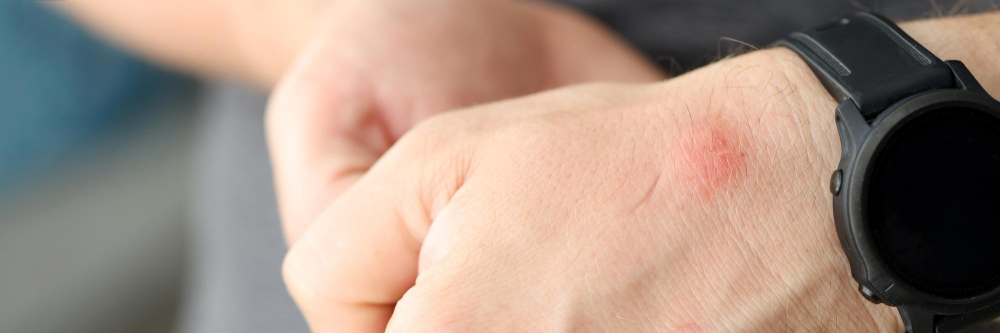
Laundry detergent is one of the most common contact dermatitis triggers, especially formulas with added fragrance or dye. If your skin feels itchy, red, or irritated in areas that touch your clothing, your detergent may be the culprit. Switching to a fragrance-free formula and speaking with an allergist can help you confirm the cause and find lasting relief.
Your skin should not feel like an enemy every time you get dressed. If you have noticed unexplained redness, itching, or a rash after doing laundry, you are not overreacting. Contact dermatitis triggers hide in places you would not expect, and laundry detergent is one of the most frequent offenders. So is laundry detergent irritating your skin, or is something else to blame? This guide walks through the most common causes, the signs to watch for, and when it makes sense to bring in a specialist for answers.
What Are the Most Common Contact Dermatitis Triggers at Home?
Your skin reacts to what touches it every day, and your laundry routine touches almost everything you wear.
Laundry Detergent and Fabric Softener
Many detergents contain fragrance, dye, and preservatives that can irritate sensitive skin. Fabric softeners add another layer of chemical residue that stays on clothing after washing.
Other Everyday Triggers
- Fragranced lotions and soaps: Scented products are a leading cause of skin irritation.
- Metals in jewelry: Nickel is a well-known trigger for contact dermatitis.
- Latex and rubber: Found in gloves, waistbands, and elastic materials.
- Cleaning products: Harsh chemicals can irritate skin on contact, even through clothing.
Is Laundry Detergent Irritating Your Skin? Signs to Watch For
Contact dermatitis from detergent often shows up in predictable patterns. You may notice:
- Redness or a rash in areas covered by clothing, like your torso or thighs
- Itching that worsens after wearing freshly washed clothes
- Dry, cracked, or scaly patches
- Symptoms that improve when you wear older, previously washed items
If this pattern sounds familiar, your detergent deserves a closer look.
How Can You Tell if Detergent Is the Real Cause?
The best way to confirm the trigger is to eliminate it. Switch to a fragrance-free, dye-free detergent and skip the fabric softener for two to three weeks. Wash new clothing before wearing it, since manufacturing residues can also irritate skin. If your symptoms improve, detergent was likely playing a role.
When Should You See an Allergist for Contact Dermatitis?
If switching products does not resolve your symptoms, it may be time to bring in outside support. An allergist can run patch testing to identify the exact substances triggering your reaction, rather than leaving you to guess through trial and error. This is especially helpful if your skin reacts to multiple products or if symptoms keep returning despite your best efforts.
A visit to an immunology clinic in Brooklyn typically includes a review of your symptoms, patch testing for common allergens, and a personalized plan to help you avoid future flare-ups. An allergist can also help you tell the difference between contact dermatitis and other skin conditions that may look similar.
You Do Not Have to Guess What Is Irritating Your Skin
Living with unexplained skin irritation is frustrating, especially when it keeps coming back. You deserve real answers, not another product swap that may or may not work. Our Allergy team works with patients across Brooklyn to identify contact dermatitis triggers through proper testing and build a treatment plan around your specific skin. Reach out to us today by calling +1-718-367-2555 or visiting us at 1797 Pitkin Avenue, Brooklyn, NY 1121 to schedule a consultation and start finding lasting relief.