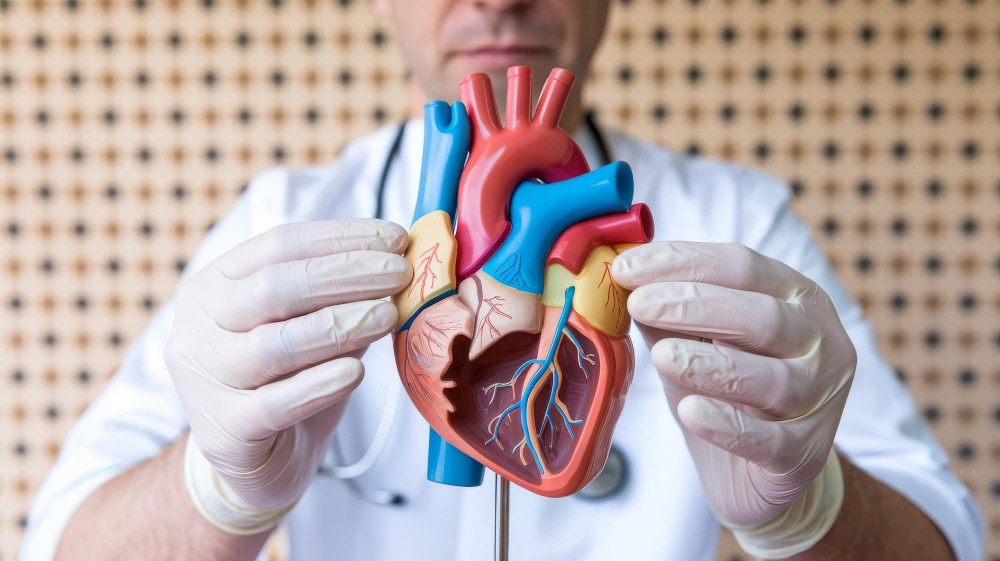
Coronary vasospastic angina, also called Prinzmetal’s angina, happens when a coronary artery suddenly tightens and temporarily cuts off blood flow to the heart. Unlike typical chest pain, it often strikes at rest, frequently between midnight and early morning. A cardiologist can confirm the diagnosis and guide you toward medications and lifestyle changes that manage midnight chest spasms at rest safely.
Waking up at 2 a.m. with chest pain is frightening, especially when you have not been exercising or under any obvious stress. You may wonder if something is seriously wrong, or if you imagined it altogether. You are not imagining it, and you are not alone. Coronary vasospastic angina is a real, recognized heart condition, and understanding it is the first step toward feeling steady again.
What Is Coronary Vasospastic Angina and Why Does It Strike at Rest?
Coronary vasospastic angina occurs when a coronary artery spasms, meaning it tightens suddenly and restricts blood flow to the heart muscle. This spasm can happen even in arteries that are otherwise healthy and free of significant plaque buildup. That is part of what makes this condition so disorienting for patients. You can feel perfectly fine all day, then experience chest pain in the middle of the night with no clear trigger.
How Vasospasm Differs from Classic Angina
Classic angina usually shows up during physical exertion, when your heart demands more oxygen than narrowed arteries can deliver. Coronary vasospastic angina works differently. It tends to appear while you are resting, often during sleep, and it is not necessarily tied to physical activity or stress. Your cardiologist will look for this specific pattern when considering a vasospastic angina diagnosis rather than a more common form of heart disease.
Managing Midnight Chest Spasms at Rest: Symptoms, Diagnosis, and Treatment
Symptoms to Watch For
Managing midnight chest spasms at rest starts with knowing what to look for. Common signs include:
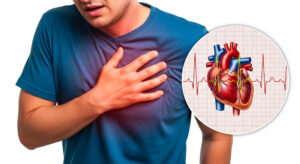
- Chest tightness or pressure: Often described as squeezing, usually lasting a few minutes before easing on its own.
- Pain that wakes you: Episodes commonly occur between midnight and early morning hours.
- Sweating or lightheadedness: These can accompany the chest discomfort during an episode.
- Pain that resolves without exertion: Unlike exercise-triggered angina, this discomfort appears and fades while you are still.
How a Cardiologist Diagnoses Vasospastic Angina
A cardiologist typically starts with an electrocardiogram (ECG) during an episode, since vasospasm produces distinct changes in heart rhythm that help confirm the diagnosis. Coronary angiography, sometimes combined with a provocation test, allows your cardiologist to directly observe whether an artery spasms under controlled conditions. These tools give your care team the clarity needed to separate vasospastic angina from other forms of heart disease.
Treatment Options
The good news is that coronary vasospastic angina responds well to treatment for most patients. Your cardiologist may recommend:
- Calcium channel blockers: These relax the artery walls and are often the first line of defense against future spasms.
- Nitrates: These medications widen blood vessels and can ease symptoms during an active episode.
- Lifestyle changes: Quitting smoking, reducing alcohol intake, and managing stress all lower the frequency of spasms.
With the right combination of medication and lifestyle adjustments, many patients see a significant drop in how often midnight chest spasms occur.
When to Seek Help at a Cardiology Clinic in Brooklyn
You should never wait out chest pain to see if it passes. If you experience chest tightness at rest, especially overnight, it is worth scheduling an evaluation promptly. A cardiology clinic in Brooklyn with experience in coronary vasospastic angina can run the right tests, confirm what is happening in your arteries, and build a treatment plan suited to your life. Sudden or severe chest pain always warrants emergency care first.
Your Heart Deserves a Clear Plan
Living with unpredictable chest pain takes a toll, both physically and emotionally. You do not have to navigate it without guidance. If midnight chest spasms are disrupting your sleep and your peace of mind, reach out to us today by calling +1-718-367-2555 or visiting us at 1797 Pitkin Avenue, Brooklyn, NY 1121 to schedule a consultation. Our Cardiology team is here to listen, test thoroughly, and walk alongside you toward steadier nights.