Deep tissue punch biopsies are a diagnostic procedure where a small, cylindrical sample of skin and underlying tissue is removed for lab analysis. For diagnosing unexplained subcutaneous ulcers, this method helps identify infections, autoimmune conditions, or other causes hiding beneath the skin’s surface, guiding doctors toward an accurate and effective treatment plan.
Watching a loved one struggle with an open wound that will not heal is frightening, especially when no one can explain why. You may have already tried topical treatments, antibiotics, or wound care routines, only to see little improvement. When a sore lingers for weeks without a clear cause, doctors often turn to a more precise diagnostic tool: deep tissue punch biopsies. This procedure plays a central role in diagnosing unexplained subcutaneous ulcers, offering answers that surface-level exams simply cannot provide.
Understanding how this biopsy works, and why your doctor may recommend it, can help ease the uncertainty that comes with an undiagnosed wound.
What Are Deep Tissue Punch Biopsies?
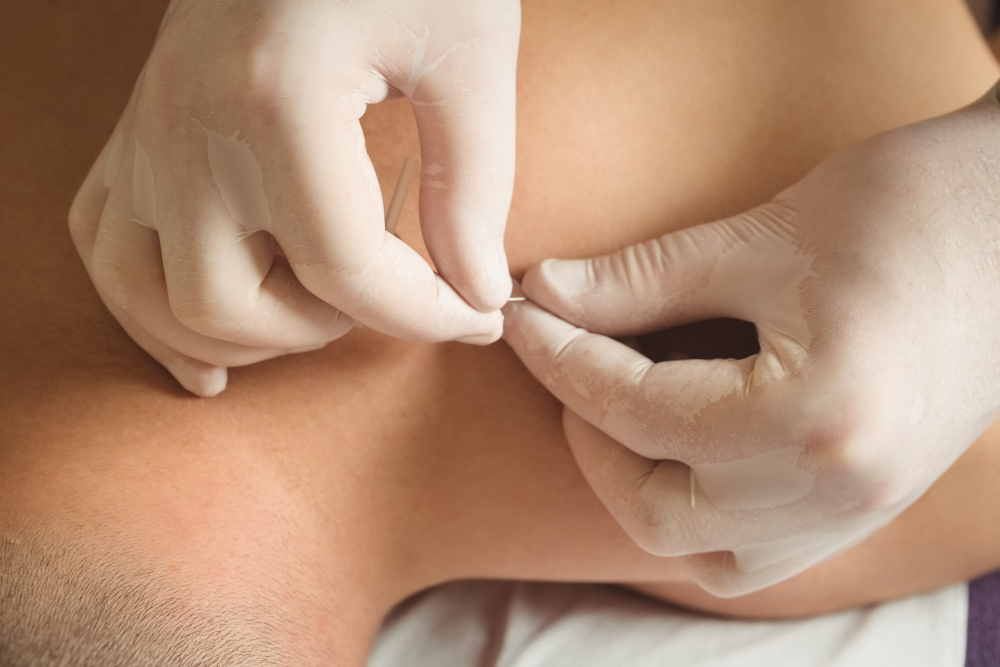
A punch biopsy uses a small, circular tool to remove a core sample of skin, extending down through the dermis and into the subcutaneous fat. Unlike a shallow skin scraping, deep tissue punch biopsies capture layers that often hold the real explanation for a stubborn ulcer. The sample is then sent to a lab, where pathologists examine it for signs of infection, inflammation, vascular disease, or malignancy.
This procedure is typically quick, performed under local anesthesia, and requires only a small amount of tissue. Most patients return home the same day with simple aftercare instructions.
Why Doctors Recommend This Procedure for Unexplained Ulcers
Not every wound needs a biopsy. Doctors generally recommend deep tissue punch biopsies when an ulcer:
- Has not healed within four to six weeks, despite appropriate wound care.
- Shows unusual borders, color, or texture that do not match typical pressure or venous ulcers.
- Recurrence after initial healing, suggesting an underlying condition that standard treatment has not addressed.
- Develops without a clear cause, such as trauma, pressure, or diabetes-related circulation issues.
When these signs appear, diagnosing unexplained subcutaneous ulcers through tissue analysis becomes the clearest path forward. Without it, doctors are often left treating symptoms rather than the root cause.
What the Biopsy Can Reveal
Possible Finding | What It Means |
Bacterial or fungal infection | May require targeted antimicrobial therapy |
Vasculitis | Points to inflammation of blood vessels affecting skin tissue |
Autoimmune disease | Conditions like pyoderma gangrenosum may be identified |
Malignancy | Rare, but biopsies can rule out or confirm skin cancer |
Vascular insufficiency | Highlights circulation problems contributing to poor healing |
When to Involve an Infectious Disease Specialist
If lab results point to infection, your care team may bring in an infectious disease specialist to guide treatment. This is especially important when the ulcer involves deep tissue, since infections at this level can be harder to treat and carry a higher risk of spreading. An infectious disease specialist can interpret culture results, recommend the right antimicrobial approach, and monitor your loved one closely as treatment progresses.
Families in New York often search for infectious disease doctors in Brooklyn when a wound does not respond to standard care. Local, accessible expertise makes it easier to ask questions, attend follow-up visits, and stay informed throughout the healing process. Having infectious disease doctors in Brooklyn nearby can also shorten the time between diagnosis and the start of effective treatment.
You Do Not Have to Wait for Answers Alone
An unexplained wound can bring weeks of worry, but you do not have to navigate it without support. Our infectious disease specialists work closely with patients and families to coordinate biopsies, interpret results, and build a treatment plan tailored to the underlying cause. Reach out to us today by calling +1-718-367-2555 or visiting us at 1797 Pitkin Avenue, Brooklyn, NY 1121 to schedule a consultation and take the next step toward healing.