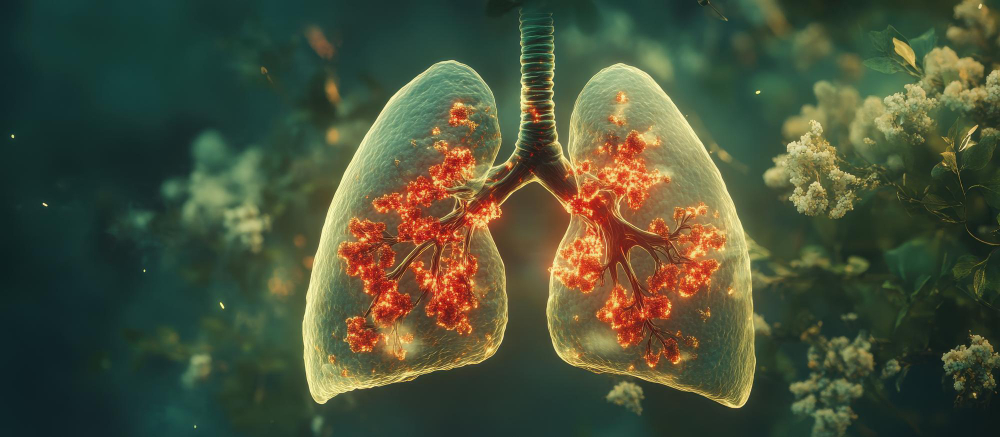
A persistent cough and trouble breathing can leave you feeling scared and uncertain. When the cause might be a Klebsiella lung infection, quick and accurate answers matter. The good news is that doctors have proven tools to find the problem and start the right care.
Diagnosing Klebsiella lung infections starts with a careful look at your symptoms and history. From there, sputum tests and chest X-rays for Klebsiella infections give doctors the clear picture they need. This guide explains what to expect, who faces the highest risk, and how clinical care in NY for Klebsiella infections can help you or your loved one recover with confidence.
Diagnosing Klebsiella Lung Infections: What Doctors Look For
Klebsiella pneumonia often comes on fast. Doctors watch for signs that point to this specific bacteria.
Common warning signs include:
- High fever and chills: These often appear early and hit hard.
- Thick, bloody mucus: Klebsiella can produce a dark, jelly-like sputum.
- Chest pain and shortness of breath: These signal the lungs are under stress.
Your doctor will review your medical history, recent hospital stays, and any long-term conditions. That background helps them decide which tests to order next.
Sputum Tests and Chest X-Rays for Klebsiella Infections
Two tests do most of the work when confirming a Klebsiella lung infection. Together, they tell doctors what the bacteria is and how far it has spread.
How Sputum Tests Work
A sputum test checks a sample of the mucus you cough up. You provide the sample in a cup, and a lab studies it under a microscope.
The lab grows the bacteria to confirm Klebsiella and runs a sensitivity test. This test shows which antibiotics will work best against your specific strain. That step is important, since some Klebsiella strains resist common drugs.
What Chest X-Rays Reveal
A chest X-ray takes a quick picture of your lungs. It shows areas of infection, fluid buildup, and damaged tissue.
With Klebsiella, X-rays often reveal swelling in the upper lobes of the lungs. Doctors use these images to judge how serious the infection is and to track your progress during treatment.
Clinical Care in NY for Klebsiella Infections
Once the diagnosis is clear, treatment can begin right away. Clinical care in NY for Klebsiella infections usually combines targeted antibiotics with close monitoring.
Who Is Most at Risk
Klebsiella lung infections tend to strike people whose bodies are already under strain.
Those at higher risk include:
- People with chronic illness: Diabetes and lung disease raise the odds.
- Hospital patients: Ventilators and long stays increase exposure.
- Older adults and heavy drinkers: Both groups have weaker defenses.
If this describes you or your loved one, prompt attention matters even more.
When to See an Infectious Disease Specialist
Some cases need extra expertise. An infectious disease specialist steps in when the infection is severe, resists first-line antibiotics, or keeps coming back.
These doctors run advanced tests, choose the most effective treatment, and guide you through recovery. Experienced infectious disease doctors in Brooklyn can explain each step with patience and care, so you never feel lost in the process.
Get Expert Help
A Klebsiella lung infection is serious, but it is not something you have to face alone. With the right tests and prompt care, recovery is well within reach.
If you notice worrying symptoms or need a clear diagnosis, help is close by. Our Infectious Disease care team will guide your care from the first test through full recovery. Reach out today by calling + 1-718-367-2555 or visiting us at 1797 Pitkin Avenue, Brooklyn, NY 11212 to book your appointment and take the first step toward peace of mind.