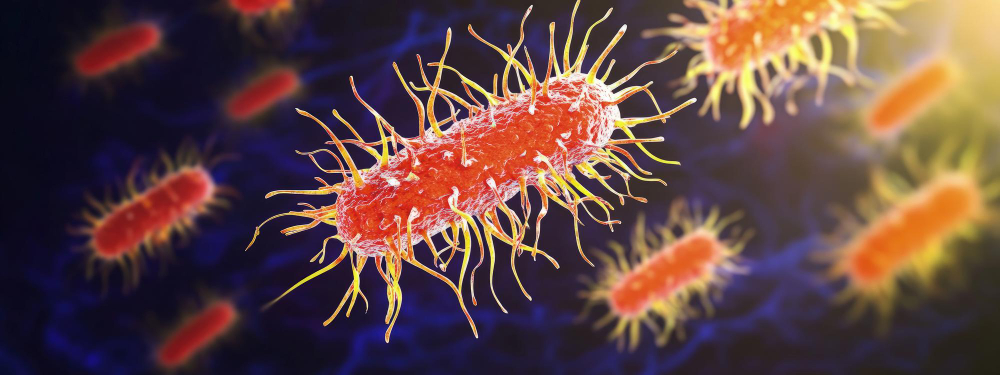
E. coli symptoms range from stomach cramps and diarrhea to severe complications like kidney failure. Most healthy adults recover within a week, but young children, the elderly, and people with weakened immune systems face higher risks and should see a doctor promptly.
E. coli is something most people have heard of, but few understand until it affects someone they love. The symptoms can sneak up quickly, starting mild and escalating in ways that catch families off guard. Knowing what to look for and when to act can make a real difference in how the illness unfolds.
This post walks you through the full range of E. coli symptoms, explains when the infection becomes dangerous, and tells you exactly when it is time to see a specialist.
Common E. Coli Symptoms
Early Signs to Watch For
Most E. coli infections begin within three to four days of exposure to contaminated food or water, according to the Centers for Disease Control and Prevention (CDC). The early signs are easy to confuse with a standard stomach bug, which is part of what makes them worth paying close attention to.
You or your loved one may notice:
- Stomach cramps: Often sudden and uncomfortable, sometimes severe
- Diarrhea: Frequently watery at first
- Nausea: Sometimes accompanied by vomiting
- Low-grade fever: Not always present, but common in early stages
- Loss of appetite: A general sense of feeling unwell
These symptoms typically develop within two to eight days of exposure. For most healthy adults, they resolve on their own within five to seven days with rest and hydration.
Severe Symptoms That Need Immediate Attention
Some E. coli infections take a more serious turn. Bloody diarrhea is one of the clearest warning signs that the infection has progressed and needs medical evaluation right away.
Do not wait if you or your loved one experiences:
- Bloody or dark-colored stool
- Severe abdominal pain that does not ease
- High fever above 101.5°F (38.6°C)
- Decreased urination
- Unusual fatigue or paleness
These symptoms suggest the infection may be affecting more than the digestive tract.
When E. Coli Becomes Dangerous: Kidney Failure Risk
What Is Hemolytic Uremic Syndrome (HUS)?
One of the most serious complications of an E. coli infection is a condition called Hemolytic Uremic Syndrome, or HUS. This happens when toxins produced by certain strains of E. coli, most commonly E. coli O157:H7, enter the bloodstream and begin damaging red blood cells and the kidneys.
HUS can lead to acute kidney failure. It is the leading cause of acute kidney failure in children in the United States, according to the National Institute of Diabetes and Digestive and Kidney Diseases (NIDDK). Symptoms include reduced urination, swelling, and extreme fatigue. In serious cases, dialysis may be required.
Who Is Most at Risk?
Not everyone faces the same level of danger from E. coli. Certain groups are far more vulnerable to developing HUS and other serious complications.
Your loved one may be at higher risk if they are:
- A young child under age 5
- An older adult over age 65
- Pregnant
- Living with a weakened immune system
If someone in these groups develops E. coli symptoms, seeking medical attention sooner is always the safer choice.
When to See an Infectious Disease Specialist
A general doctor can treat many cases of E. coli. However, there are times when the expertise of an infectious disease specialist becomes important. These doctors are trained to identify and manage complex infections, track antibiotic resistance, and prevent serious complications before they develop.
You should consider seeing one of the infectious disease doctors in Brooklyn if:
- Symptoms have lasted more than a week without improvement
- Bloody diarrhea has appeared
- There are signs of kidney involvement, such as decreased urination or swelling.
- Your loved one belongs to a high-risk group
- Previous treatment has not worked
Infectious disease doctors in Brooklyn are equipped to run advanced diagnostic tests and provide targeted treatment plans. Early consultation can prevent a manageable infection from becoming a medical emergency.
Take Action Before Symptoms Worsen
E. coli symptoms deserve to be taken seriously, even when they start mild. By recognizing the early signs and acting quickly when symptoms escalate, you give your loved one the best chance at a full recovery.
Our Infectious Disease care team provides compassionate, expert care to patients and families. You do not have to navigate this alone. Reach out today by calling + 1-718-367-2555 or visiting us at 1797 Pitkin Avenue, Brooklyn, NY 11212 to schedule an evaluation and get the answers your family needs.