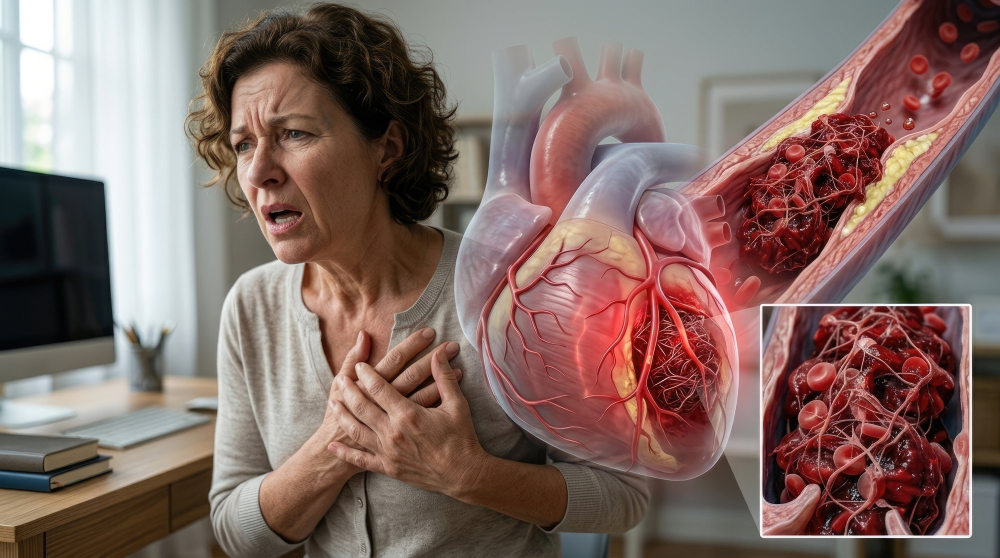
Endomyocardial fibrosis is a rare condition that causes restrictive heart failure and ventricular cavity shrinkage. Scar tissue builds up inside the heart’s lower chambers, making them stiff and smaller over time. Early evaluation by a cardiologist can help protect your heart function and guide the right treatment plan for you or your loved one.
A heart that feels tired, breathless, or swollen is unsettling, especially when the cause is not obvious. Endomyocardial fibrosis is one condition that can quietly affect how your heart works long before symptoms become severe.
This condition scars the inner lining of the heart’s ventricles. As scar tissue thickens, the chambers lose their ability to stretch and fill properly with blood. The result is restrictive heart failure and ventricular cavity shrinkage, a pattern that limits how much blood the heart can pump with each beat.
You deserve to understand what is happening inside your body, and you deserve care from a cardiologist who takes your symptoms seriously from the start.
What Causes Endomyocardial Fibrosis?
Endomyocardial fibrosis most often appears in tropical and subtropical regions, though cases are documented worldwide. Researchers believe inflammation, nutritional factors, and immune responses may all play a role in how the scarring develops, according to the National Organization for Rare Disorders.
The exact trigger is not always clear. What is clear is that the scarring process restricts the heart’s lower chambers, leading to restrictive heart failure and ventricular cavity shrinkage that define this disease.
Who Is Most at Risk?
- Geographic exposure: People living in or originating from tropical climates face higher documented rates.
- Age: The condition most commonly appears in children and young adults, though it can occur at any age.
- Eosinophil-related conditions: Elevated eosinophil counts, sometimes linked to parasitic infection or immune disorders, have been associated with the disease.
Recognizing the Symptoms
Shortness of breath, fatigue, and swelling in the legs or abdomen are easy to dismiss as everyday tiredness. With endomyocardial fibrosis, these signs often point to something deeper.
Watch for:
Symptom | Why It Happens |
Breathlessness | Stiff ventricles struggle to fill with blood |
Swelling (edema) | Fluid backs up as the heart’s pumping ability declines |
Fatigue | Reduced blood flow limits oxygen delivery to the body |
Irregular heartbeat | Scar tissue can disrupt the heart’s electrical signals |
If these symptoms persist or worsen, do not wait for them to resolve on their own. A cardiologist can determine whether restrictive heart failure and ventricular cavity shrinkage are behind what you are feeling.
How Is It Diagnosed and Treated?
Diagnosis typically involves an echocardiogram to assess ventricular size and function, along with blood tests and imaging to confirm the pattern of scarring. These tools give your care team a clear picture of how endomyocardial fibrosis is affecting your heart.
Treatment depends on severity and may include:
- Medications to manage fluid buildup and support heart function.
- Surgical intervention in advanced cases to remove scar tissue and repair heart valves.
- Ongoing monitoring with a cardiologist to track changes over time.
Recovery and management look different for everyone. What matters most is having a care team that listens closely and adjusts your plan as your needs change.
You Do Not Have to Face This Alone
Living with an unfamiliar heart condition can feel isolating, especially when the symptoms are easy to overlook. You deserve answers grounded in careful evaluation, not guesswork. If you are concerned about endomyocardial fibrosis or related heart symptoms, reach out to our Cardiology team today by calling +1-718-367-2555 or visiting us at 1797 Pitkin Avenue, Brooklyn, NY 1121 to schedule a consultation. Our team can guide you toward clarity and the right plan of care.