Epidural lysis of adhesions is a minimally invasive procedure that targets scar tissue pressing on spinal nerves, often after spine surgery. By breaking up nerve scar tissue after spine surgery, the procedure can relieve pain, numbness, and limited mobility that medication alone has not resolved. A pain management doctor typically recommends it when scar tissue, not the original surgical issue, is the source of ongoing discomfort.
Living with pain after spine surgery can feel discouraging, especially when you expected relief and instead found new or lingering symptoms. You are not alone in this experience. Scar tissue forming around spinal nerves is a recognized cause of post-surgical pain, and there are targeted treatments designed specifically for this problem.
This guide explains what epidural lysis of adhesions involves, why scar tissue forms in the first place, and how breaking up nerve scar tissue after spine surgery can restore comfort and function. We will also cover who tends to benefit most and when it makes sense to speak with a pain management doctor.
What Is Epidural Lysis of Adhesions?
Epidural lysis of adhesions is a procedure used to dissolve or break apart scar tissue, known as adhesions, that forms in the epidural space following spine surgery. This scar tissue can wrap around spinal nerves, restricting their movement and triggering pain, tingling, or weakness that radiates into the back, hips, or legs.
Unlike oral medication, which treats pain symptoms broadly, this procedure addresses the physical source of nerve irritation. A thin catheter is guided into the epidural space, where a combination of saline, medication, and sometimes an enzyme solution helps separate the adhesions from the surrounding nerve tissue.
Why Scar Tissue Forms After Spine Surgery
Scar tissue is a natural part of healing. Whenever the body repairs tissue after an incision or surgical manipulation, it lays down fibrous tissue to close the wound. In most cases, this process causes no lasting problems.
Around the spine, however, the space is tight, and nerves are delicate. When scar tissue develops too densely or in the wrong location, it can tether a nerve root, restricting its normal range of motion. Movement that would otherwise be painless, like bending or twisting, can stretch the nerve against the adhesion and reproduce the original pain, or create new symptoms entirely.
Breaking Up Nerve Scar Tissue After Spine Surgery: How the Procedure Works
The procedure is typically performed on an outpatient basis using live X-ray guidance for precision. Here is what patients can generally expect:
- Preparation: Mild sedation and local anesthesia keep you comfortable throughout, while you remain conscious enough to communicate with your care team.
- Catheter placement: A specialized catheter is directed to the area of scar tissue using imaging guidance, ensuring accuracy around the affected nerve.
- Adhesion release: A solution is injected to physically separate the scar tissue from the nerve, often combined with an anti-inflammatory medication to reduce swelling.
- Recovery: Most patients go home the same day and can resume light activity within a day or two.
Who Is a Candidate?
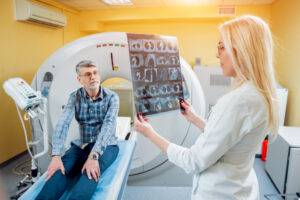
This procedure is generally considered for patients who had spine surgery and continue to experience nerve-related pain that has not improved with physical therapy or medication. It tends to work best when imaging confirms scar tissue near a specific nerve root. Your pain management doctor will review your surgical history, current symptoms, and imaging results before recommending this treatment.
When Should You See a Pain Management Doctor?
Persistent pain after spine surgery is not something you have to accept as permanent. If you notice numbness, shooting pain, or weakness that lingers weeks or months after your procedure, it is worth having a conversation with a pain management doctor. Early evaluation can identify whether scar tissue, rather than a new structural issue, is driving your symptoms, which opens the door to more targeted treatment.
Waiting rarely makes nerve-related pain easier to manage. The sooner the underlying cause is identified, the sooner relief becomes possible.
Finding Relief Starts With the Right Conversation
Post-surgical pain can be frustrating, but it does not mean your recovery has stalled. Epidural lysis of adhesions offers a focused way to address scar tissue that is interfering with your healing and your daily life. If back or leg pain has persisted since your spine surgery, our Pain Management team can help determine whether this treatment is right for you. Reach out to us today by calling +1-718-367-2555 or visiting us at 1797 Pitkin Avenue, Brooklyn, NY 1121 to schedule an evaluation with a pain management doctor and take the next step toward lasting relief.