Uterine fibroids are non-cancerous growths of the uterus that often appear during childbearing years. They are remarkably common, yet many women are unaware they have them until symptoms arise. Recognizing common fibroids symptoms, such as heavy menstrual bleeding and pelvic pressure, is the first step toward seeking a diagnosis. Modern uterine fibroids imagingprovides clear and detailed information, allowing for an accurate assessment. From there, a range of effective fibroid treatment options can be explored to provide relief and improve your quality of life. Understanding this condition is essential for making informed healthcare decisions.
At Doral Health & Wellness, our team of medical experts provides comprehensive and supportive care for women with uterine fibroids. We are committed to offering precise diagnostics and personalized treatment plans, ensuring you receive reliable guidance to manage your health effectively.
Recognizing Common Fibroids Symptoms
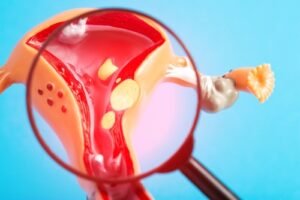
While some women with fibroids experience no symptoms at all, others face significant discomfort and disruption to their daily lives. Symptoms often depend on the location, size, and number of fibroids.
Common signs and symptoms of uterine fibroids include:
- Heavy Menstrual Bleeding – Periods that last longer than a week or are excessively heavy, sometimes involving the passage of blood clots.
- Pelvic Pressure or Pain – A feeling of fullness or discomfort in the lower abdomen.
- Frequent Urination – Large fibroids can press on the bladder, leading to a constant need to urinate.
- Difficulty Emptying the Bladder – Pressure can also make it difficult to fully empty the bladder.
- Constipation – Fibroids pressing on the rectum can interfere with bowel movements.
- Backache or Leg Pains – Fibroids can press on nerves, causing pain in the lower back and legs.
If you are experiencing these issues, a consultation with a gyn doctor is a crucial step toward finding relief.
Uterine Fibroids Imaging: The Diagnostic Process
If your doctor suspects fibroids based on your symptoms and a pelvic exam, imaging tests are used to confirm the diagnosis and provide detailed information about the growths.
Diagnostic Tools
- Transvaginal Ultrasound – This is the most common imaging method used to detect fibroids. A small ultrasound probe is inserted into the vagina to get a clear picture of the uterus. It is a simple, non-invasive procedure that provides detailed images of the size and location of fibroids.
- Magnetic Resonance Imaging (MRI) – An MRI may be ordered to get more detailed information, especially if you are planning for a procedure. It can show the size, number, and exact location of the fibroids more clearly than an ultrasound and can help differentiate fibroids from other conditions.
A precise diagnosis through uterine fibroids imaging is fundamental to developing an effective treatment strategy.
Exploring Fibroid Treatment Options
The best treatment approach depends on several factors, including the severity of your symptoms, the size and location of the fibroids, and your future childbearing goals. An experienced gynecology doctor in NY can help you navigate these choices.
Watchful Waiting
If your fibroids are small and not causing any symptoms, your doctor may recommend simply monitoring them over time without immediate treatment.
Medications
Medications for uterine fibroids target hormones that regulate your menstrual cycle, treating symptoms like heavy bleeding and pelvic pressure. They do not eliminate fibroids but can shrink them.
- Hormonal Therapies – Options like hormonal IUDs or birth control pills can help control heavy bleeding and reduce pain.
- Tranexamic Acid – A non-hormonal medication taken only on heavy bleeding days to ease menstrual flow.
Minimally Invasive Procedures
These procedures destroy fibroids without removing them surgically.
- Uterine Artery Embolization – Small particles are injected into the arteries supplying the uterus, cutting off blood flow to the fibroids and causing them to shrink.
- Radiofrequency Ablation – This technique uses heat to destroy fibroid tissue and shrink the growths.
Surgical Procedures
- Myomectomy – This surgical procedure removes the fibroids while leaving the uterus intact. It is the preferred option for women who wish to become pregnant in the future.
- Hysterectomy – The surgical removal of the uterus. This is the only permanent solution for fibroids but means you will no longer be able to carry a child.
Finding the best gynecologist near me ensures you have a partner who will help you weigh the pros and cons of each treatment path based on your personal health goals.
Risk Factors and Impact on Fertility
While the exact cause of fibroids is unknown, certain factors may increase your risk, including age, family history, and obesity. For some women, fibroids can impact fertility by changing the shape of the uterus or blocking the fallopian tubes. If you have fibroids and are planning a pregnancy, it is important to discuss your situation with a specialist.
Your Partner in Women’s Health
Living with the symptoms of uterine fibroids can be challenging, but you do not have to manage it alone. By understanding the common fibroids symptoms, undergoing a proper diagnosis with uterine fibroids imaging, and discussing all available fibroid treatment options with a trusted professional, you can find a solution that restores your comfort and well-being. A skilled gyn doctor is your most important ally in this process.
The expert women’s health team at Doral Health & Wellness is committed to providing the Brooklyn community with exceptional medical care in a state-of-the-art facility. We are here to offer the guidance and advanced treatments you need to manage your health with confidence. To schedule an appointment, contact Doral Health & Wellness today at 1-718-365-2555 or visit us at 1797 Pitkin Avenue, Brooklyn, New York 11212. For general information about Doral Health & Wellness services, you can contact or email info@doralhw.org.