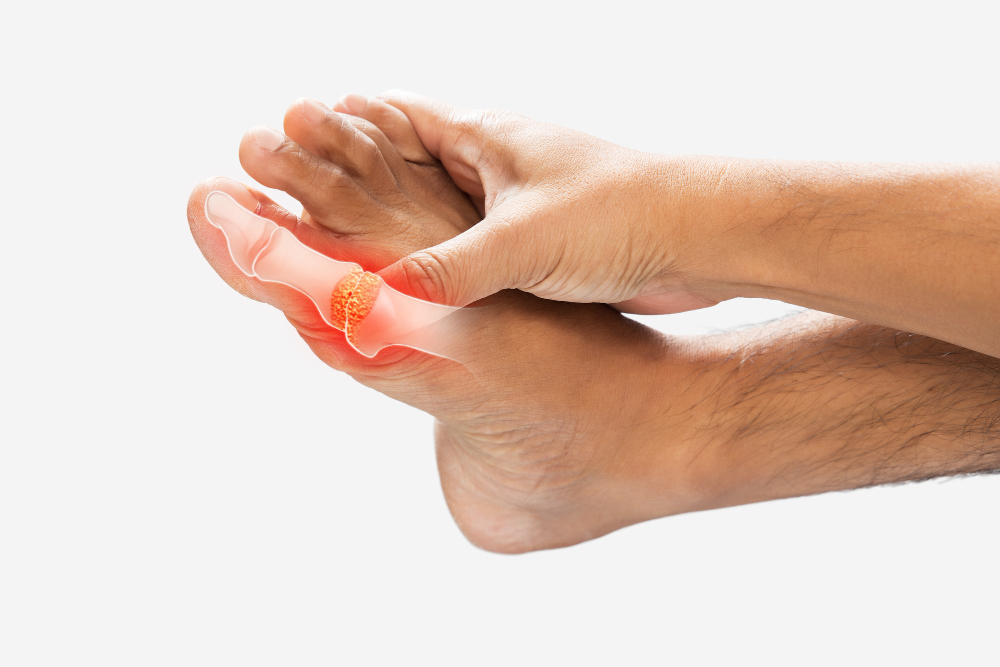
Hallux rigidus is stiffness and arthritis in the big toe joint, while hallux valgus is a bunion that shifts the toe out of alignment. For many patients with hallux rigidus, a cheilectomy, a procedure that removes bone spurs and restores joint motion, offers real relief without a full joint fusion.
A stiff, aching big toe can change how you move through your day. Every step may feel harder than it should, and the fear of worsening pain can keep you from the activities you love. If you have noticed swelling, stiffness, or a dull ache at the base of your big toe, you may be dealing with one of two common conditions: hallux rigidus or hallux valgus.
Understanding the difference between hallux rigidus and hallux valgus matters because the right diagnosis shapes the right treatment. This guide walks you through what sets these conditions apart, when a cheilectomy may help, and what you can expect from treatment at a podiatry clinic in Brooklyn.
What Is the Difference Between Hallux Rigidus and Hallux Valgus?
These two conditions both affect the big toe, but they are not the same.
Hallux rigidus is a form of arthritis that develops in the big toe joint. Over time, the cartilage wears down, bone spurs form, and the joint becomes stiff and painful. Bending the toe, especially while walking or climbing stairs, can become genuinely difficult.
Hallux valgus, more commonly known as a bunion, happens when the big toe shifts out of alignment and angles toward the smaller toes. A visible bump forms at the base of the toe, and footwear often becomes uncomfortable.
How Symptoms Differ
- Hallux rigidus: Stiffness, swelling, and pain that worsens with movement. The toe may feel locked in place.
- Hallux valgus: A visible bony bump, toe misalignment, and irritation from shoe friction.
You do not have to guess which condition you are facing. A podiatrist can confirm the diagnosis through a physical exam and imaging, then guide you toward the treatment that fits your specific needs.
What Causes a Stiff, Arthritic Big Toe?
Hallux rigidus often develops gradually, and several factors can contribute to it:
- Joint wear over time, which naturally increases the risk of arthritis.
- Previous injury to the big toe, even an old one that seemed to heal fully.
- Abnormal foot mechanics, which place uneven stress on the joint.
- Family history, since arthritis in the foot can run in families.
Recognizing these causes early gives you a better chance of slowing the condition down before it limits your mobility.
Cheilectomy Options for Stiff, Arthritic Big Toes
When hallux rigidus starts to affect your daily life, a cheilectomy is often one of the most effective treatment options available.
What Is a Cheilectomy?
A cheilectomy is a surgical procedure that removes bone spurs and damaged tissue from around the big toe joint. By clearing away the material that blocks movement, this procedure can restore range of motion and reduce pain, often without the need for joint fusion.
Who Is a Good Candidate?
A cheilectomy tends to work best for patients with mild to moderate hallux rigidus, especially when pain is linked to bone spurs rather than complete joint collapse. Choose this option if preserving natural joint motion matters more to you than a longer-lasting but more limiting fusion procedure.
What to Expect During Recovery
- Reduced pain in the days following surgery, with continued improvement over several weeks.
- A supportive shoe or boot worn temporarily to protect the joint while it heals.
- Gradual return to normal activity, guided by your care team’s recommendations.
Your podiatrist will walk you through every stage of this process so recovery feels manageable, not overwhelming.
When Should You See a Podiatrist About Big Toe Pain?
If stiffness, swelling, or pain in your big toe has started interfering with walking, exercise, or simply standing comfortably, it is time to get evaluated. Waiting rarely makes these conditions easier to treat, and early care often means more treatment options remain available to you.
Take the Next Step Toward Pain-Free Movement
Living with a stiff, arthritic big toe can make even simple movements feel uncertain. You deserve answers, not just a diagnosis to carry around alone.
Our podiatry team is here to help you understand whether you are dealing with hallux rigidus, hallux valgus, or both, and to guide you toward the right treatment plan for your life. Reach out to us today by calling +1-718-367-2555 or visiting us at 1797 Pitkin Avenue, Brooklyn, NY 1121, to schedule a consultation at our podiatry clinic in Brooklyn and take the first step toward lasting relief.