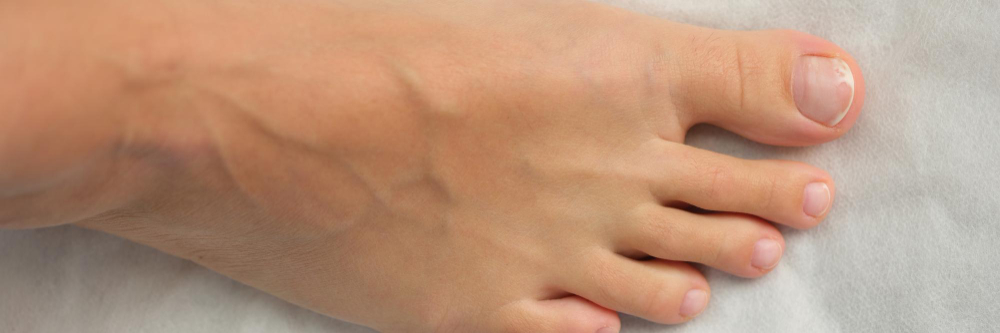
That bent toe is more than a cosmetic worry. It rubs against your shoes, aches by the end of the day, and slowly makes walking harder. If you are weighing hammertoe correction surgery, you are likely also wondering about the recovery ahead.
Here is the good news. You have options. Hammertoes and toe deformities can be treated with different surgical approaches, and each one comes with its own recovery timeline. Understanding the difference between the minimalist and traditional paths helps you plan, prepare, and heal with less stress.
This guide walks you through both routes so you can make a confident choice with your foot doctor.
What Hammertoes and Toe Deformities Really Mean
A hammertoe happens when a toe bends downward at the middle joint instead of lying flat. Over time, the joint stiffens, and the bend becomes permanent.
Foot deformities like this rarely fix themselves. They often start small, then worsen with tight shoes, muscle imbalance, or arthritis.
When pain or pressure sores appear, surgery becomes a reasonable next step. A trusted foot care specialist can confirm whether your toe is flexible or rigid, which shapes the type of procedure you may need.
Common Signs You Should Not Ignore
- Persistent pain: Discomfort when you walk or wear shoes.
- Corns or calluses: Raised, hardened skin from constant rubbing.
- Limited movement: A toe that no longer straightens on its own.
- Open sores: Skin breakdown that can lead to infection.
Minimalist Recovery: Smaller Incisions, Faster Healing
The thought of a long recovery frightens many patients. That fear is understandable. Time off your feet affects work, family, and independence.
Minimally invasive surgery aims to ease that burden. Your surgeon uses tiny incisions and specialized tools to correct the toe with less disruption to surrounding tissue.
The benefits often include:
- Smaller scars: Less visible marks after healing.
- Reduced swelling: Gentler on soft tissue.
- Quicker return to daily life: Many people move around sooner.
You may still wear a surgical shoe for a few weeks, and you will need to keep your foot elevated. Still, this approach can shorten the road back to normal.
Traditional Recovery: Proven and Thorough
Sometimes a rigid deformity needs a more complete correction. Traditional surgery gives your surgeon full access to the joint, which matters for severe cases.
This path takes longer, and honesty helps you prepare. Stiffness, swelling, and redness can last four to six weeks after surgery.
A temporary wire may hold the toe in place during healing. NHS Lothian notes that this wire often stays in for about six weeks before removal.
Recovery expectations include:
- Time off work: Often several weeks, longer for active jobs.
- Follow-up visits: Regular checks with your podiatrist.
- Gradual weight-bearing: Slow return to full walking.
You are not managing this alone. Support at home during those early weeks makes the process far smoother, especially if standing and cooking feel difficult.
Choosing the Right Path
Both routes work. The best choice depends on your toe, your health, and your daily life.
A podiatrist will review your imaging and habits before recommending an approach. For more everyday relief tips, our guide on managing foot pain at home offers practical steps while you decide.
Recovery is easier when help comes to you. Whether you need wound checks, mobility support, or reassurance during those first weeks, in-home care keeps you safe and comfortable.
You do not have to face hammertoe recovery on your own. Reach out to our podiatry care team today by calling +1 718 367 2555 or visit us at 1797 Pitkin Avenue, New York, NY 11212 to build a personalized care plan that fits your life.