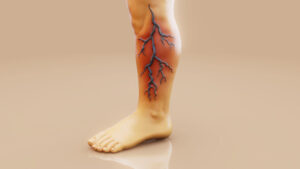
Choosing heat or ice depends on timing and cause. Ice works best for new injuries and swelling in the first 24 to 72 hours. Heat helps stiff muscles and chronic aches by relaxing tissue and improving blood flow. For back pain, knee pain, or joint pain, matching the right method to the right moment can speed relief and prevent further strain.
A sore back, an aching knee, or a stiff joint can leave you wondering where to even start. Should you reach for an ice pack or warm up a heating pad? The answer is not always the same, and using the wrong one at the wrong time can slow your recovery instead of helping it.
When Should You Use Ice for Pain?
Ice is most helpful right after an injury. If you or your loved one twisted a knee, strained a back muscle, or noticed sudden swelling, cold therapy can calm inflammation before it worsens. Apply ice for 15 to 20 minutes at a time, always with a cloth barrier between the ice pack and bare skin. This window, generally the first 24 to 72 hours after an injury, is when swelling and acute pain respond best to cold.
When Should You Use Heat for Pain?
Heat works differently. Rather than reducing swelling, it loosens tight muscles and increases blood flow to stiff areas. Heat is best suited for ongoing aches, morning stiffness, or tension that builds up over time rather than a fresh injury. Keep the temperature warm, not hot, and limit sessions to about 15 to 20 minutes. Avoid applying heat to an area that is swollen or newly injured, since this can increase inflammation instead of easing it.
Heat or Ice for Back Pain
A new back strain, especially one accompanied by swelling or sharp pain after lifting something heavy, usually responds better to ice. Chronic back tightness, the kind that builds after long hours of sitting or standing, often eases more with heat. If back pain comes with numbness, weakness, or loss of bladder or bowel control, this is not something to manage at home.
Heat or Ice for Knee Pain
Knee pain after a fall, a twist, or a sports injury typically calls for ice first to bring down swelling. Once the acute phase passes, heat can help loosen the surrounding muscles and improve flexibility. If your loved one cannot bear weight or the knee looks visibly deformed, seek medical care right away rather than relying on home treatment.
Heat or Ice for Joint Pain and Arthritis
Arthritis pain often shifts depending on the day. Morning stiffness tends to respond well to heat, which warms the joint and encourages easier movement. A flare-up with visible swelling, on the other hand, usually calls for ice. Watching how your joints behave from day to day can help you decide which approach fits best in the moment.
When Should You See a Pain Management Specialist
Home remedies have their limits. If pain lasts more than a few weeks, keeps you or your loved one from daily activities, or does not improve with heat or ice, it is time to look further. A pain management doctor in New York can evaluate the underlying cause and build a plan designed around your specific needs.
You Do Not Have to Manage This Alone
You do not have to manage these symptoms alone or guess at what might help. Our Pain Management team can guide you through diagnosis and build a care plan suited to your needs. If chronic pain has been part of your life for weeks or longer, reach out to us today by calling +1-718-367-2555 or visiting us at 1797 Pitkin Avenue, Brooklyn, NY 11212 to schedule an evaluation and take that first step toward feeling like yourself again.