Hemolytic uremic syndrome (HUS) is a serious complication of foodborne infection that can damage the kidneys. The warning signs of kidney failure from foodborne toxins include reduced urination, extreme tiredness, and pale skin. Early action can save a life.
A foodborne illness that seems to be fading can suddenly take a dangerous turn. Just when the stomach cramps and diarrhea start to ease, a more serious problem may quietly begin. That problem is hemolytic uremic syndrome, a condition that harms the kidneys and can become life-threatening.
Knowing the warning signs of kidney failure from foodborne toxins gives you the power to act early. This short guide explains what HUS is, the symptoms to watch for, and when to reach out to an infectious disease specialist. You are not alone, and clear answers are within reach.
Warning Signs of Kidney Failure from Foodborne Toxins
HUS most often follows an infection with a toxin-producing strain of E. coli, usually O157:H7. According to the Centers for Disease Control and Prevention, about 5 to 10 percent of people infected with this strain go on to develop HUS. The toxin damages small blood vessels, which can lead the kidneys to shut down.
Signs of HUS usually appear about a week into the illness, often just as the diarrhea seems to be improving. This timing can be confusing, so it helps to know exactly what to look for.
Early Warning Signs to Watch For
The first clues can be easy to miss. Pay close attention to changes in energy, color, and urination.
- Reduced urination: A clear drop in how often you or your loved one goes to the bathroom.
- Extreme tiredness: Feeling drained far beyond a normal illness.
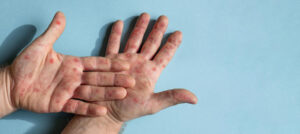
- Pale skin or easy bruising: Signs that blood cells are under stress.
- Swelling: Puffiness in the face, hands, or feet.
If you notice any of these, seek medical care right away.
Who Faces the Highest Risk
HUS does not affect everyone the same way. Some people are far more likely to develop it and deserve closer watching.
- Young children: Especially those under five, who are most prone to HUS.
- Older adults: Aging bodies fight infection more slowly.
- People with weak immune systems: Chronic illness or certain treatments lower defenses.
- Pregnant women: Infection can carry added risks.
If someone you care for falls into these groups, early attention offers the best protection.
When to See an Infectious Disease Specialist
Most mild foodborne illnesses improve with rest and fluids. But certain symptoms mean home care is no longer enough. Knowing when to call an expert can make all the difference.
Contact an infectious disease specialist if you or your loved one has:
- Bloody diarrhea: This always deserves prompt medical review.
- Diarrhea lasting more than three days: Especially with a high fever.
- Signs of dehydration: Dizziness, dry mouth, or very little urine.
- Symptoms of HUS: Reduced urination, swelling, or unusual fatigue.
For families in the area, experienced infectious disease doctors in Brooklyn can test, treat, and guide recovery close to home. Fast answers lead to safer care, especially when a loved one is very young or elderly.
Get the Right Care When It Matters Most
A foodborne illness can move from mild cramps to kidney failure in just days. Knowing the warning signs of hemolytic uremic syndrome helps you spot trouble early and act with confidence.
If symptoms worsen, or you are caring for someone fragile, help is close by. Our Infectious Disease care team can test, treat, and support you right at home. Reach out today by calling + 1-718-367-2555 or visiting us at 1797 Pitkin Avenue, Brooklyn, NY 11212 to book your appointment, and let us help you recover safely.