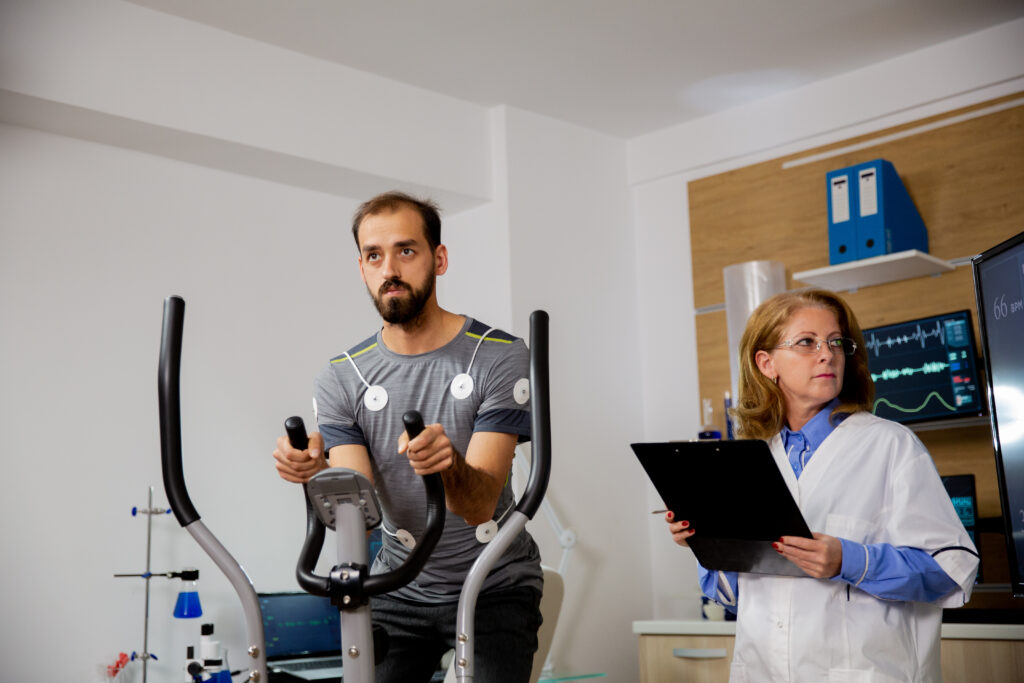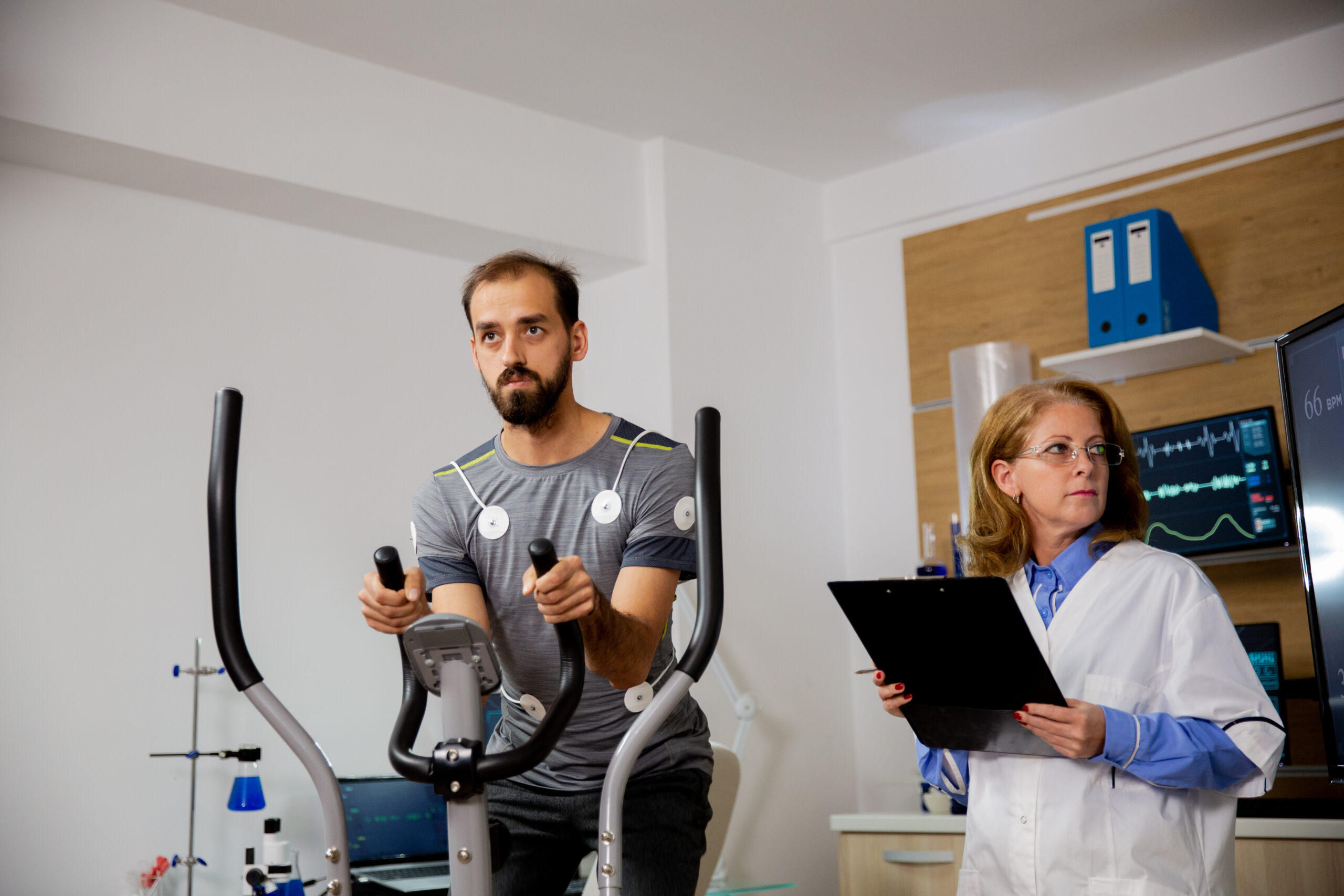
If you’re experiencing chest pain, shortness of breath, or other signs of heart trouble, your doctor might recommend a nuclear stress test to evaluate how well your heart is functioning. This noninvasive imaging procedure helps detect problems with blood flow, even before symptoms become severe. It’s especially valuable in identifying coronary artery disease and assessing the effectiveness of treatment plans.
Because the accuracy of the nuclear stress test depends heavily on how well you follow the preparation guidelines, it’s essential to take the instructions seriously. From adjusting your medications to avoiding caffeine and wearing comfortable clothing, proper preparation ensures the results are reliable and actionable.
Understanding the role of this test in early diagnosis and prevention can make a significant difference in your heart health journey. If you’ve been advised to undergo a nuclear stress test, talk to your cardiologist about what to expect and how to get ready. And if you haven’t yet, schedule a consultation with the best cardiologists in Brooklyn to take a proactive step in protecting your heart.
What is a nuclear stress test, and when is it recommended?
It is an imaging test that is used to check how blood goes to the heart at rest and during exercise. During this test, the doctor injects a small amount of radioactive material, called a tracer or radiotracer, into the bloodstream. This substance moves through the heart’s arteries and can be seen in diagnostic images. Your provider uses a special camera (positron emission technology (PET) or single-photon emission computed tomography (SPECT) scanner) to take pictures of blood flow in and around the heart, which helps them to find the areas of poor blood flow or damage in the heart. This test is sometimes done after a regular exercise stress test, or sometimes before it.
If you have coronary artery disease, this test helps the provider to learn your risk of heart attack or other heart event. It is also known by other names like cardiac PET study, cardiac SPECT study, and Myocardial perfusion imaging (MPI) study.
Your doctor recommends a nuclear stress test if you:
- Have narrowed or blocked heart arteries.
- Have heart damage due to a heart attack.
- May have a coronary angiogram, and to assess how severe it is.
It is also used to check how your heart handles physical stress. This information helps your healthcare provider to choose the right treatment for you. It is also used during bypass surgery to treat your chest discomfort and help your heart pump normally.
How to prepare for a nuclear stress test?
Your healthcare professional will guide you on how to prepare for your nuclear stress test; so, make sure you ask any questions you might have.
Usually, for this test, your healthcare provider instructs you to avoid caffeine-containing beverages like coffee, tea, and soft drinks or foods like chocolate for 24 hours before the test. You may also need to avoid eating or drinking anything after midnight before the test. It is recommended on the day of the test to wear comfortable, loose-fitting clothes with comfortable shoes, and not apply anything to your skin.
You should tell your healthcare professional about the medicines you take, including over-the-counter medicines, prescribed medications, herbs/supplements, and vitamins. Your healthcare provider tells you which medications you should skip or take or change the dose before the test. However, don’t make any changes to your prescription medication without consulting with your doctor first. If you use an inhaler for asthma or breathing difficulties, make sure you bring it for a test or let your healthcare professional know that you use one. If you smoke, avoid it before the test.
What do the results mean?
Your results can take some days to come. Your healthcare provider will review your images and interpret your results. The result could show:
- Normal blood flow during exercise and rest: This means your heart’s arteries are working normally, and you may not need any more tests.
- Normal blood flow during rest, but not during exercise: This means part of your heart is not getting enough blood during exercise. It may happen due to one or more blocked arteries, which implies coronary artery disease.
- Low blood flow during rest and exercise: Part of the heart doesn’t get enough blood all the time. This indicates a severe coronary artery disease or an early heart attack.
- Lack of blood flow in parts of the heart: Some areas of the heart don’t show the radioactive tracer, which means damaged parts of the heart due to a heart attack.
Your healthcare provider may recommend a nuclear stress test to diagnose and monitor heart problems like coronary artery disease. This test accurately examines all the parts of the heart and allows the healthcare provider to create the best treatment plan for you to manage your condition and improve your cardiovascular condition. To achieve optimal test accuracy, follow the above-mentioned preparation instructions for a nuclear stress test.
If you need help with heart problems, visit our cardiology clinic in Brooklyn to get professional medical help. Call us to book your appointment now!!!! For any cardiovascular problems, call us on +1-718-367-2555. The Cardiologists at Doral Health & Wellness consistently have outstanding patient satisfaction ratings. The professionals at Doral Health & Wellness Cardiology Brooklyn can improve your health and quality of life because of their vast training and experience. New Yorkers can get the greatest medical, surgical, and cardiovascular care at Doral Health & Wellness Brooklyn. Visit us at 1797 Pitkin Avenue, Brooklyn, NY 11212.