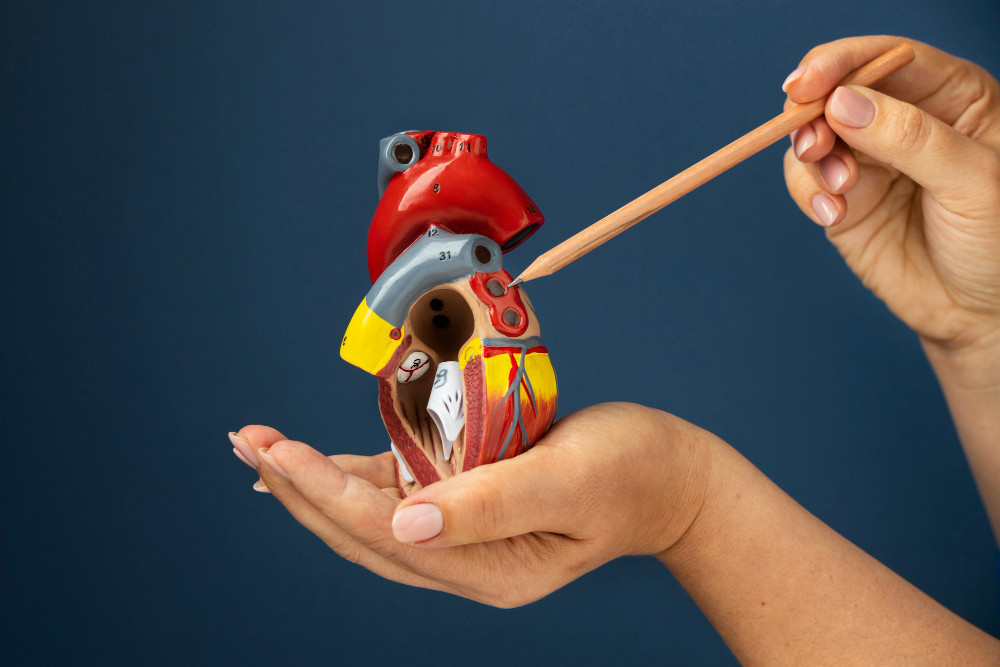
MitraClip repair is a minimally invasive procedure that pins leaky valve leaflets together without cracking open the chest. A cardiologist guides a small clip through a catheter to the heart, reducing mitral valve leakage and easing symptoms like shortness of breath and fatigue, often with a shorter recovery than traditional surgery.
Hearing that a loved one has a leaky heart valve can feel overwhelming, especially when open-heart surgery seems like the only path forward. That fear is understandable, but it is not always the full picture. MitraClip repair offers another option, one that pins leaky valve leaflets without cracking open the chest. This guide explains how the procedure works, who it may help, and what recovery typically looks like.
What Is MitraClip Repair?
MitraClip repair treats mitral regurgitation, a condition where the heart’s mitral valve does not close properly and allows blood to flow backward. Left untreated, this can lead to fatigue, shortness of breath, and a weakened heart over time.
A cardiologist threads a thin catheter through a vein, usually from the leg, up to the heart. Using this catheter, the cardiologist places a small clip directly onto the valve leaflets. The clip pinches the leaflets together at the leak point, helping the valve close more fully with each heartbeat.
How Pinning Leaky Valve Leaflets Works Without Cracking Open the Chest
Traditional valve surgery requires opening the chest and sometimes stopping the heart temporarily. MitraClip repair avoids both. Pinning leaky valve leaflets without cracking open the chest means no large incision, no sternum to heal, and often a much shorter hospital stay.
The entire procedure typically takes two to three hours. Your loved one remains under anesthesia while the cardiologist uses live imaging to guide the clip precisely into place.
What Happens During Recovery?
- Short hospital stay. Most patients stay one to two nights for monitoring.
- Limited activity restrictions. Light movement is usually encouraged within a day or two.
- Follow-up imaging. An echocardiogram confirms the clip is working as expected before full activity resumes.
Many patients notice improved energy and easier breathing within weeks of the procedure.
Who Should Consider This Procedure?
Choose MitraClip repair if your loved one has moderate to severe mitral regurgitation and faces higher risks with traditional open-heart surgery, whether due to age, other health conditions, or overall frailty. A cardiologist reviews imaging and medical history to confirm whether this approach fits your loved one’s specific situation.
Taking the Next Step with Confidence
A leaky valve does not have to mean a long, difficult recovery. MitraClip repair offers a well-studied alternative: pinning leaky valve leaflets without cracking open the chest, while restoring healthier blood flow.
If you are exploring options for a loved one, reach out to our Cardiology team today by calling +1-718-367-2555 or visiting us at 1797 Pitkin Avenue, Brooklyn, NY 1121 to schedule a consultation. Our team can review eligibility, answer your questions, and guide your family through every step of the process.