Healthy nails are often a sign of overall well-being, but when changes occur, they can leave you feeling concerned and unsure of where to turn. Whether it’s discoloration, thickened nails, or brittleness, nail disorders can sometimes signal underlying health issues that need professional attention. But the question arises: Should you see a dermatologist or a podiatrist? Understanding the difference can make all the difference in getting the right care for your nails.
At Doral Health & Wellness Dermatology, we’re here to help with all your skin and nail concerns. If you’re searching for a “Skin doctor Brooklyn” or a “Dermatology clinic open now,” our expert team is ready to assist. Schedule your visit today and take the first step to healthier, stronger nails.
Understanding Nail Disorders
Nail disorders cover a wide range of conditions, from infections to trauma-related changes or systemic health issues. Some common nail disorders include:
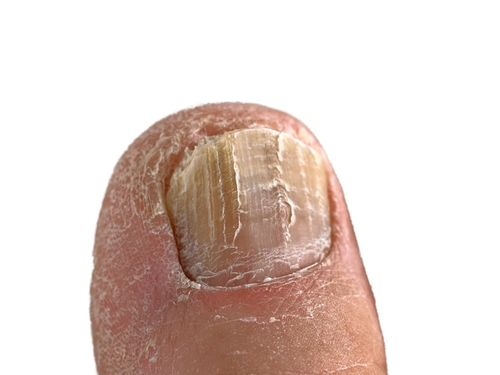
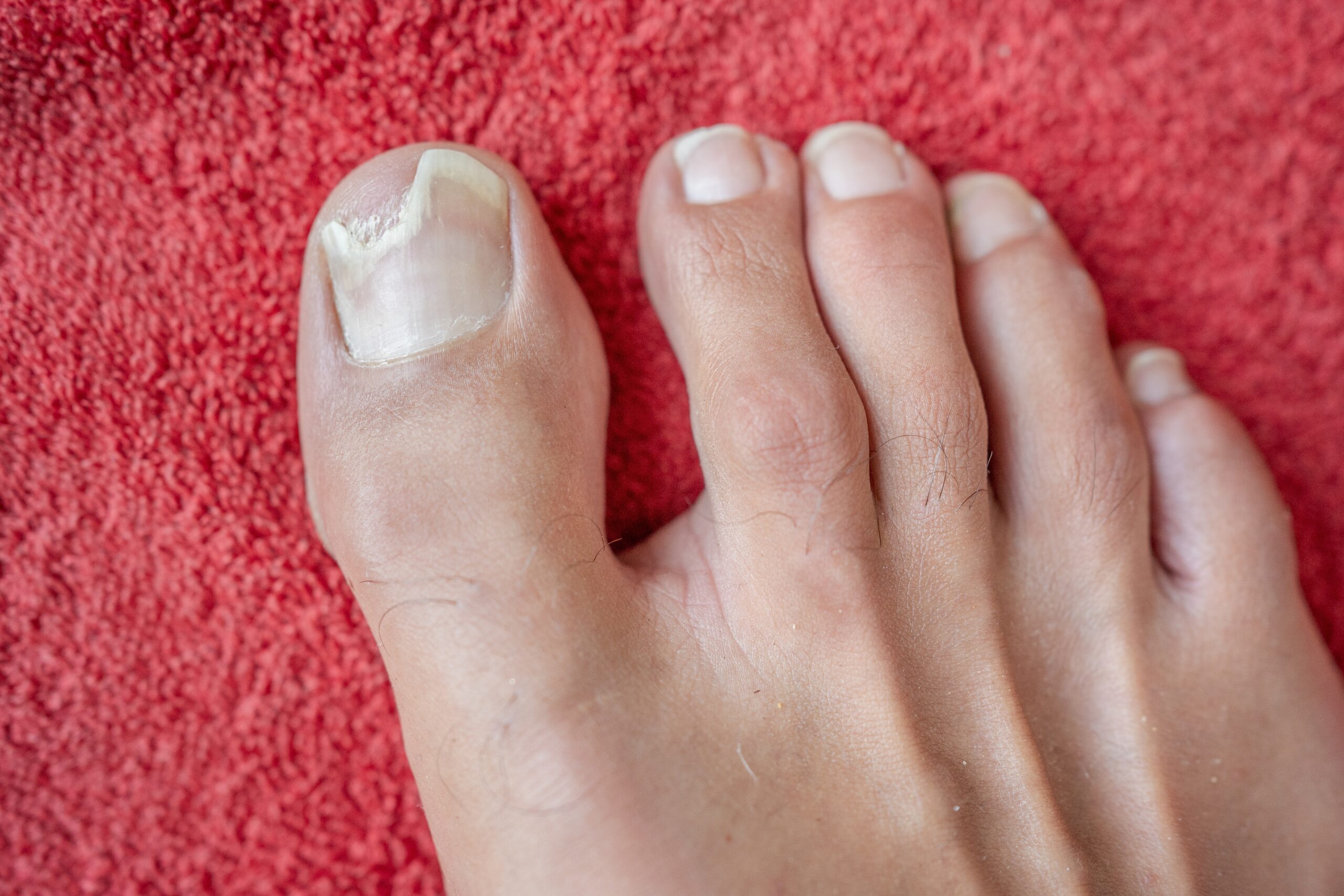
- Fungal Nail Infections (Onychomycosis) – A common condition causing nails to become thickened, discolored, and brittle.
- Ingrown Toenails – When the edge of the nail grows into the surrounding skin, causing pain and sometimes infection.
- Psoriasis – A skin condition that can extend to nails, leading to pitting, thickening, or discoloration.
- Bacterial Infections – Usually occurring after trauma to the nail, leading to redness, swelling, or pus.
- Trauma-Induced Changes – Injuries to the nail bed can result in discoloration or even temporary nail loss.
- Iron Deficiency Anemia – This can cause nails to become thin, brittle, or spoon-shaped.
The type of condition you’re facing often determines whether you should see a dermatologist or podiatrist.
When to See a Dermatologist
Dermatologists specialize in diagnosing and treating diseases of the skin, hair, and nails. If your nail issues appear to stem from an infection, inflammation, or systemic condition, consulting a dermatologist might be your best course of action.
Conditions Best Treated by a Dermatologist:
- Fungal Nail Infections – A dermatologist can confirm whether the issue is fungal and recommend topical or oral antifungal treatments.
- Psoriatic Nail Changes – If you have psoriasis, changes to your nails likely require advanced dermatological care to manage symptoms effectively.
- Brittle or Discolored Nails – These could be signs of other skin or systemic conditions, such as lichen planus or vitamin deficiencies, which dermatologists are trained to identify.
- Bacterial Nail and Skin Infections – Quick intervention with antibiotics or other treatments ensures infections don’t spread.
- Skin Cancers Around the Nail – Rare but serious, melanomas and other skin cancers can develop near the nails, requiring immediate attention.
If you’re wondering, “Where can I find a dermatologist near me who specializes in nail health?” a visit to our dermatology clinic at Doral Health & Wellness can set you on the right path.
When to See a Podiatrist
Podiatrists specialize in the health of the feet and lower extremities, including toenails. Nail issues caused by structural abnormalities, chronic conditions like diabetes, or trauma are typically within a podiatrist’s expertise.
Conditions Best Treated by a Podiatrist:
- Ingrown Toenails – Podiatrists can remove the ingrown section and provide advice to prevent recurrence.
- Toenail Trauma – Damage caused by an injury, including partial nail removal or bruise treatment, is handled well by a podiatrist.
- Nail Thickening – This could be a sign of chronic pressure, often due to ill-fitting shoes or walking mechanics, which podiatrists can address.
- Diabetic Foot Care – Nail care for people with diabetes, who are at a higher risk for infections and complications, falls under a podiatrist’s care.
- Recurring Toenail Disorders – Podiatrists can address chronic nail conditions that impact your mobility or footwear comfort.
If your nail issue stems from a foot-specific problem, a podiatrist is often the appropriate specialist to consult.
Decoding the Overlap
For some nail issues, the line between dermatology and podiatry can blur. For example:
- Fungal Nails – While dermatologists can diagnose and treat the condition, podiatrists are skilled at addressing severe, toenail-specific cases.
- Nail Trauma – Dermatologists handle the surrounding skin, while podiatrists specialize in structural toenail concerns.
If you’re unsure about where to start, both specialists can guide you or refer you to the appropriate care.
Expert Care for Nail Health
When nail issues persist or worsen, seeking professional guidance is key. An accurate diagnosis ensures that you receive the right treatment to restore not only your nails but also your overall well-being.
At Doral Health & Wellness Dermatology, we are dedicated to providing expert care for nail disorders and beyond. Whether you need a comprehensive evaluation, advanced treatment for fungal infections, or management of psoriasis-related nail changes, our skilled team is here to provide compassionate and personalized service. If you’re looking for a “Dermatology clinic open now” or the “Best dermatologist for your skin and nails,” we have you covered.
Similarly, for foot-specific concerns and toenail health, trust Doral Health & Wellness Podiatry. Our podiatry team offers the highest level of care for conditions like ingrown toenails, trauma-related nail damage, or diabetic foot health. Your feet and nails deserve attention and expert solutions.
Take the first step to healthier nails today. Contact us to schedule your consultation, and discover how we can help address your concerns with care and expertise. You can call us at 1-718-367-2555 or visit usat 1797 Pitkin Avenue, Brooklyn, New York 11212. At Doral Health & Wellness, your nails are in the best hands, because your health deserves nothing less than excellence.