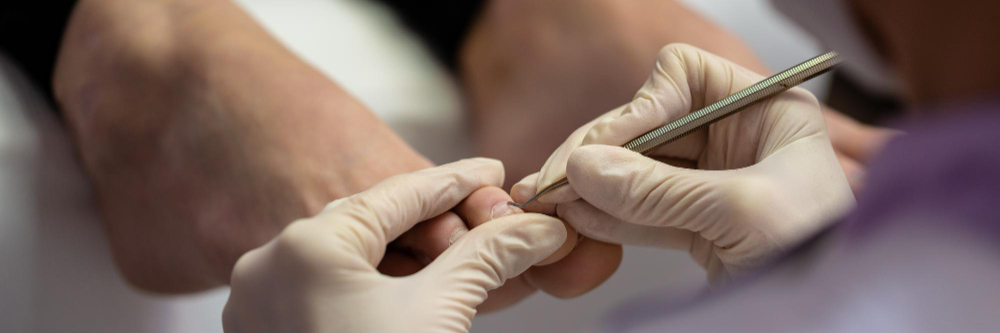
The day after your ingrown toenail removal, you notice a little fluid on the bandage. Your heart sinks. Is something wrong?
Take a breath. Some drainage is a normal part of healing, and knowing what to expect can turn worry into confidence. Whether you had this procedure for a painful nail edge or an infected ingrown toenail, the recovery period matters just as much as the surgery itself. Good nail care during these first weeks protects your toe and helps you heal faster. This guide walks you through what drainage means, how to manage it at home, and the warning signs that call for a foot doctor. You are not on your own here — help is always within reach.
What to Expect After Ingrown Toenail Removal
Your toe has been through a lot. In the first few days, mild swelling, tenderness, and some fluid are completely normal.
Your body sends fluid to the wound to clean and repair the area. This is healing in action, not a setback. Keeping your foot raised above heart level helps reduce swelling and eases discomfort. If you want to understand your full range of choices before or after surgery, our overview of ingrown toenail treatment options explains each path in plain terms.
Types of Drainage You Might See
Not all drainage is the same. Here is how to tell the difference:
- Clear or pale yellow fluid: This is serous drainage, and it is expected in the early days of recovery.
- Light pink or blood-tinged fluid: A small amount of blood mixed with fluid is normal after any nail procedure.
- Thick, cloudy, or foul-smelling fluid: This can signal infection and needs attention from your podiatrist.
Most drainage slows down within a few days. If it keeps up or changes color, make note of it.
Nail Care Steps to Prevent Infection
Proper nail care is your best defense against complications. The steps are simple, and you can do them at home.
- Soak the toe daily. Warm, soapy water for 10 to 20 minutes to help keep the area clean.
- Change your dressing gently. Replace the bandage after soaking and whenever it gets wet or soiled.
- Keep the foot dry between soaks. Moisture trapped under a bandage can invite bacteria.
- Rest and elevate. Give your foot time to recover before returning to full activity.
Consistent care makes a real difference. Our guide to preventing nail infections offers extra tips for keeping your feet healthy long after this heals.
Warning Signs of an Infected Ingrown Toenail
An infected ingrown toenail rarely appears overnight. Watch for these red flags:
- Increasing redness that spreads beyond the nail
- Warmth and throbbing pain that worsens instead of improving
- Pus or a bad odor from the wound
- Fever or chills
If you notice any of these, do not wait it out. A quick call to your foot doctor can stop a small problem from becoming a serious one.
Your Recovery, Supported Every Step
Healing from ingrown toenail removal takes patience, and you deserve support along the way. You do not have to guess whether your drainage is normal or wonder when to seek help.
Our podiatry care team can guide your recovery, review your healing, and answer every question with care. Reach out today by calling +1 718 367 2555 or visit us at 1797 Pitkin Avenue, New York, NY 11212 to schedule a Podiatry appointment and give your feet the expert attention they deserve.