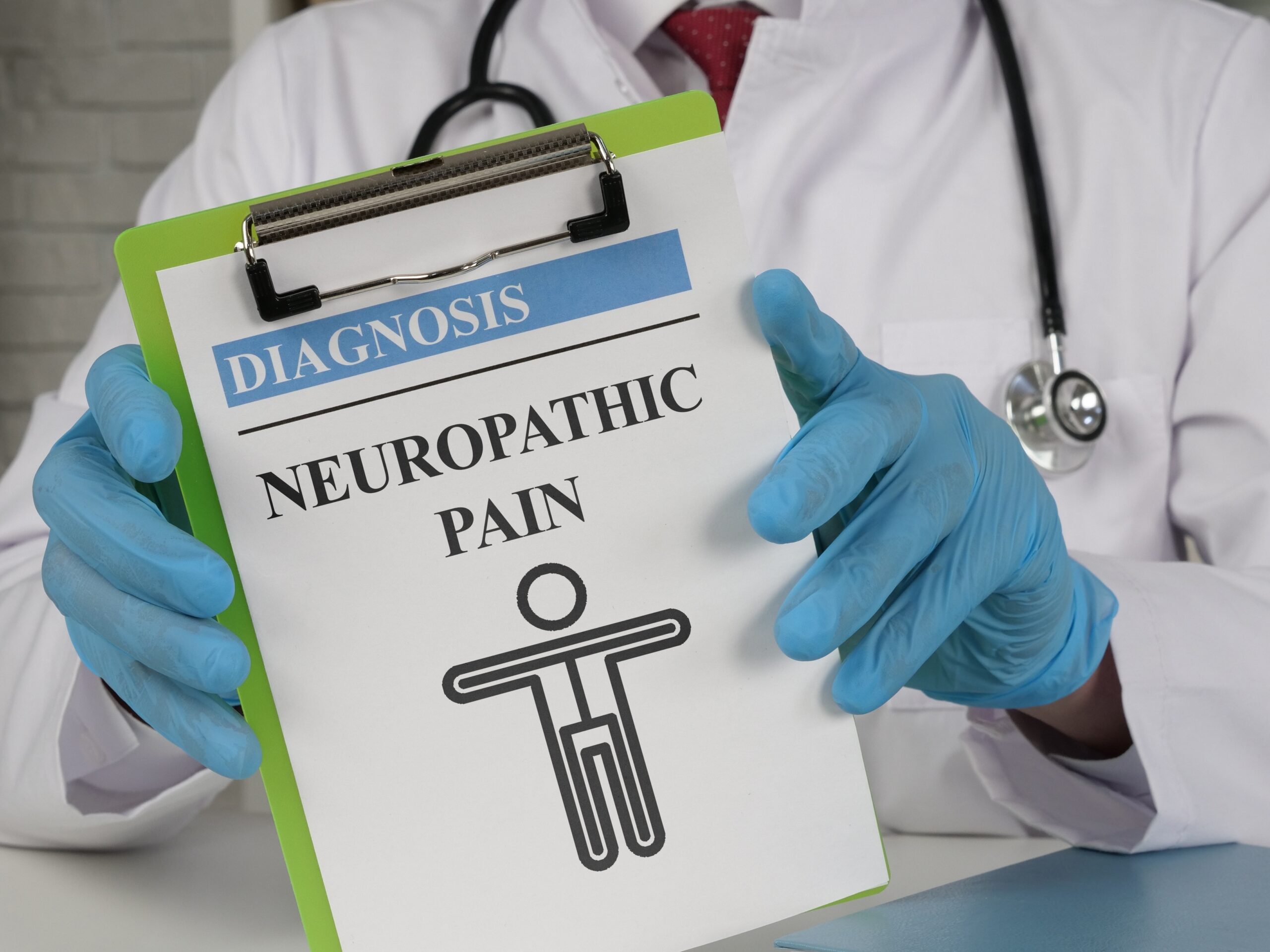
If you’re experiencing shooting, burning, stabbing pain without any reason, chances are you’re developing neuropathic pain, a common type of pain that occurs when a nerve is damaged or a disruption happens in pain signals. This type of pain is mostly chronic and comes and goes on its own. However, different treatment options are available to manage them. Learn everything you need to know about neuropathic pain via FAQs. Visit the best Pain Management Clinic in Brooklyn at Doral Health & Wellness or log on to www.doralhw.org.
Neuropathic Pain Explained
These FAQs on neuropathic pain will help you understand what you need to know.
- What does neuropathic pain feel like?
Ans. Neuropathic pain often feels like shooting, burning, stabbing, tingling, or numbing pain that suddenly occurs and often goes away on its own. Mostly it is chronic, but it can occur acutely due to infection or trauma.
- What causes neuropathic pain?
Ans. Neuropathic pain occurs when a disease or lesion of the somatosensory nervous system alters or disrupts the transmission of sensory signals. These changes in nerve function can also occur due to injury and loss of limbs. Here are the details of these common causes of neuropathic pain:
- Disease:
Neuropathic pain is usually a symptom or complication of several diseases and conditions. The most common ones are multiple sclerosis, multiple myeloma, and other types of cancer. People with these conditions don’t necessarily experience neuropathic pain, but it can be a problem for some people.
- According to research, diabetes is responsible for 30% of neuropathic cases because chronic diabetes can impact how nerves work. People with diabetes typically experience symptoms such as loss of feeling and numbness, pain, burning, and stinging in their limbs and digits.
- Long-term excessive alcohol intake can be the reason for chronic neuropathic pain, along with many complications. Nerve damage from chronic alcohol can cause long-lasting and painful effects.
- Trigeminal neuralgia is a painful condition in which severe neuropathic pain occurs on one side of the face. It is a very common type of neuropathic pain, but it doesn’t have a known cause.
- Cancer treatment, such as chemotherapy and radiation, can cause neuropathic pain by impacting the nervous system and causing unusual pain signals.
- Injuries:
Injuries to tissue, muscles, or joints are also causes of neuropathic pain. Similarly, back, leg, and hip problems cause lasting damage to nerves. While injury may heal, the damage to the nervous system may not. This is the reason you may experience persistent pain for many years after the accident. Accidents or injuries that affect the spine also cause neuropathic pain; for instance, herniated discs and spinal cord compression can damage the nerve fibers around the spine.
- Infection:
Infections rarely cause neuropathic pain. Shingles, a common infectious disease caused by reactivation of the chicken pox virus, can trigger several weeks of neuropathic pain in the nerve. Postherpetic neuralgia is a rare complication of shingles that causes persistent neuropathic pain. Similarly, a syphilis infection can lead to burning, stinging, and unexplained pain. People with HIV may also experience unexplained pain.
- Limb loss:
A rare form of neuropathic pain called phantom limb syndrome occurs when an arm or leg is amputated. Despite the loss of the limb, the brain still thinks it’s receiving pain signals from the removed body part. However, these nerves near the amputation site are misfiring and sending faulty signals to your brain.
- Other causes:
Other causes of neuropathic pain may include:
- Vitamin B deficiency
- Carpal Tunnel Syndrome
- Thyroid problems
- Facial nerve problems
- Arthritis in the spine
- What symptoms do you experience with neuropathic pain?
Ans. Neuropathic pain symptoms can vary from person to person, but the most common symptoms are:
- Pain that happens suddenly without any cause (spontaneous pain), which may include a burning, stabbing, or electric shock-like pain, tingling, numbness, or a “pins and needles” feeling.
- Allodynia: This occurs when normally painless stimuli like cold, pressure, or brushing against your skin cause you to feel pain. The area is even sensitive to touch.
- Hyperalgesia: This happens when normally painful stimuli like heat or pinpricks cause an extreme or increased pain sensation.
- Hypoalgesia: This occurs when a normal painful stimulus produces less pain response. For example, a pinprick should hurt but not much.
- Dysesthesia: It refers to any unexpected sensations that feel strange, unpleasant, or painful.
- Insomnia: Aside from difficulty sleeping, you may also have emotional stress due to disturbed sleep and pain.
- How is neuropathic pain diagnosed?
Ans. To diagnose neuropathic pain, your doctor will perform a physical exam and review your medical history. They may ask questions about how you feel your pain, where it starts, or whether specific triggers cause the pain. If the doctor suspects you have a nerve injury, then the doctor will ask about the neuropathic pain risk factors or may order blood and nerve tests to find out the underlying cause.
- How is neuropathic pain treated?
Ans. When it comes to neuropathic pain, doctors aim to identify and treat the underlying cause of managing pain, if possible. Doctors recommended a combination of treatment, including:
- Over-the-counter pain medication: Doctors may prescribe nonsteroidal anti-inflammatory drugs (NSAIDs), such as Aleve and Motrin, to treat pain. However, many people don’t find these medicines effective for neuropathic pain because they don’t target the source of pain.
- Prescription medication: This is usually not the first option of medication because prescription opioid pain medications, while effective, can be addictive. That’s why it is only prescribed for the short term. Topical pain relievers can be used, which include lidocaine patches, capsaicin patches, prescription-strength ointments, and creams.
- Antidepressant drugs: These medications are mostly the first line of treatment for neuropathic pain. The most common antidepressant drugs used to treat neuropathic pain are tricyclic antidepressants, serotonin-norepinephrine reuptake inhibitors. It helps treat pain and symptoms of depression or anxiety caused by chronic pain.
- Anticonvulsants: Anti-seizure and anticonvulsant medications are used to treat neuropathic pain. Gabapentinoids are most commonly prescribed to treat neuropathic pain. How these medications work is not very clear, but it is believed they interfere with the pain signals and stop faulty transmissions.
- Nerve blocks: Your doctor may inject steroids, local anesthetics, or other pain medications into your nerves to disrupt your pain signals to give you temporary relief. You need to repeat the process to keep it working.
- Implantable device: These are surgical implants in your body (usually in the brain or the spine). Once a device is in place, it sends electrical impulses into the brain, spinal cord, or nerves to stop irregular nerve signals and control symptoms. These devices are only used for people who don’t respond well to other treatment options.
- Lifestyle treatments: Physical, relaxation, and massage therapies are all used to relieve your symptoms of neuropathic pain. These forms of treatment can ease muscles and help you cope with pain. Your physical therapist teaches you ways to identify the triggers and manage them to prevent pain.
Neuropathic pain occurs when disease, infection, injury, or other conditions damage the nerve or disrupt its signals. This pain occurs suddenly without any reason and varies between individuals. Make sure you consult with your doctor for diagnosis and treatment for proper management of pain.
Need help with neuropathic pain? Visit our pain management clinic in Brooklyn to get professional medical help. Call us to book your appointment now! If you’re ready to take the next step in managing your pain, we recommend consulting with our healthcare provider to explore the right treatments or therapies for you. Always listen to your body and adjust your daily routine to prioritize your well-being. Visit Doral Health & Wellness Pain Relief Department in Brooklyn, to get professional help and guidance on how to manage your problem. Call us on + 1-718-367-2555 to get a consultation. If you need help learning coping methods, register your information and make direct contact with our doctors at https://yuz88hfiyh7.typeform.com/Doralintake. Log on to www.doralhw.org. Or visit us at 1797 Pitkin Avenue, Brooklyn, NY 11212.