A heart bypass diagnosis can feel overwhelming, especially when you are trying to understand the options for someone you love. You may have heard the term off-pump heart bypass and wondered how it differs from traditional surgery, or whether it could mean a gentler recovery for your family member.
You are not alone in asking these questions. Many families face this exact decision after a cardiologist recommends coronary artery bypass graft (CABG) surgery. Understanding when beating heart surgery is an option can help you feel more confident walking into that conversation, and more prepared to support your loved one through recovery.
This guide breaks down what off-pump bypass surgery involves, who tends to be a good candidate, and what the research says about outcomes.
What Is Off-Pump Heart Bypass Surgery?
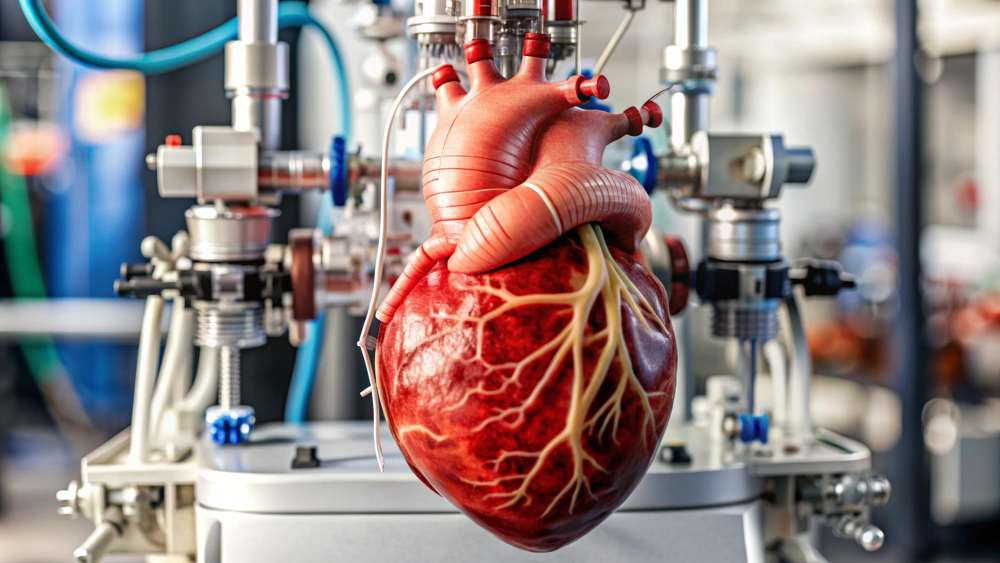
Off-pump heart bypass surgery, sometimes called beating heart surgery, is a type of CABG that does not require a heart-lung bypass machine. Instead, the surgeon stabilizes a small area of the heart while it continues beating throughout the procedure.
This differs from traditional on-pump CABG, where the heart is stopped, and a machine takes over circulating blood for the body.
How the Procedure Works
During off-pump bypass surgery, your surgeon will:
- Make an incision to access the heart, often through the center of the chest.
- Use a stabilizing device to minimize movement in the area being treated.
- Attach a healthy blood vessel, taken from elsewhere in the body, to reroute blood flow around the blockage.
- Close the incision once circulation is restored.
The entire procedure typically takes several hours, depending on how many arteries need to be bypassed.
When Is Beating Heart Surgery an Option?
Not every patient is a candidate for off-pump bypass. Your cardiologist will consider several factors before recommending this approach.
Beating heart surgery may be a strong option if your loved one has:
- Atherosclerosis of the aorta. Off-pump techniques can reduce the need to manipulate a fragile aorta.
- Chronic lung or kidney disease. Avoiding the bypass machine may lower certain surgical risks for these patients.
- A history of stroke or cerebrovascular disease. Off-pump surgery has been associated with fewer cerebral emboli during the procedure (Lawton, 2012).
- Previous bypass surgery. This approach can sometimes offer a less invasive path for repeat procedures.
Off-pump bypass surgery must be performed by a surgeon experienced in this specific technique, so it is worth asking directly about your surgical team’s background.
What Does the Research Say About Long-Term Outcomes?
It is natural to want reassurance that your family member is choosing the safest path. A large, five-year study published in the New England Journal of Medicine followed nearly 4,800 patients across 19 countries and found no significant difference in death, stroke, heart attack, or kidney failure between off-pump and on-pump patients.
Costs and quality of life were also similar between the two groups. This means that for many patients, both approaches are equally safe and effective over the long term. The right choice often comes down to individual health history rather than one technique being universally better.
What to Expect During Recovery
Recovery timelines vary, but most patients can expect to:
- Begin eating and drinking within a day of surgery.
- Sit up and walk with assistance in the first day or two.
- Stay in the hospital for several days before returning home.
- Need help with daily tasks during the first weeks of recovery.
Full recovery often takes several weeks, and a cardiac rehabilitation program can help rebuild strength safely.
You Do Not Have to Navigate This Decision Alone
Choosing between off-pump and on-pump bypass surgery is a deeply personal decision, and it should be made alongside a cardiologist who understands your loved one’s full health picture.
If you are looking for a cardiology clinic in Brooklyn that takes time to explain every option in plain language, our Cardiology team is here to help. From that first conversation through recovery support at home, our team walks beside your family at every step. Reach out today by calling +1-718-367-2555 or visiting us at 1797 Pitkin Avenue, Brooklyn, NY 1121 to schedule a consultation.