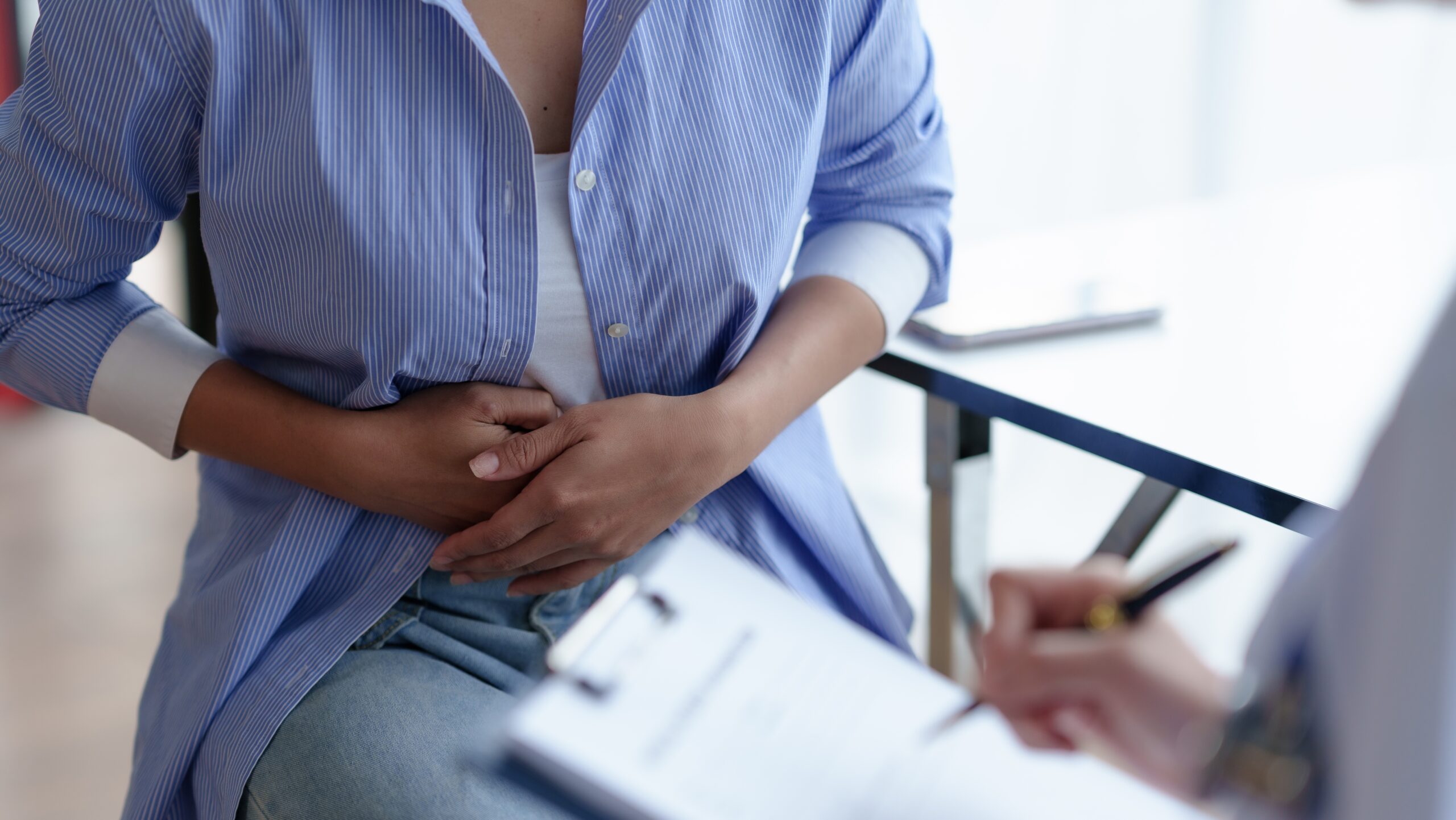
Are you experiencing extreme pain in your lower abdomen and back during periods? If yes, you’re experiencing dysmenorrhea, which is a medical term used for painful periods. While experiencing mild to moderate pain during menstruation is normal, severe pain is not. If you’re experiencing severe pain during periods, you should seek medical attention to manage the symptoms and prevent complications. Learn how dysmenorrhea is diagnosed and treated in this article. Visit Doral Health and Wellness – Women’s Health Center and consult with the best Women’s health specialist in New York.
What is dysmenorrhea and its types?
It is a medical term for painful periods or menstrual cramps. In addition to cramps, you may experience other symptoms like nausea, fatigue, and diarrhea. It’s common to have menstrual cramps a day before or on the day you start your period. For most people, these symptoms go away on their own in 2 to 3 days. The pain that ranges from mild to moderate during menstrual cramps is normal. However, some people experience severe pain that interferes with their daily life activities and prevents them from doing things they enjoy. Luckily, it can be manageable with medications and other treatments.
There are two types of dysmenorrhea – primary and secondary.
- Primary dysmenorrhea: This type of dysmenorrhea refers to menstrual cramps that don’t occur due to a medical condition. Pain generally starts from one or two days before you get your period or when the bleeding starts. The pain may range from mild to severe in your lower abdomen, back, or thighs. This pain goes away within 2 to 3 days. This is the most common type of dysmenorrhea.
- Secondary dysmenorrhea: This type of dysmenorrhea occurs when your painful periods occur due to a condition or infection in your reproductive organs. Pain generally begins earlier in your menstrual cycle and lasts longer than usual menstrual cramps. For example, you may experience cramps several days before your period, and it lasts until the bleeding completely stops. But it is rare.
Diagnosis
To diagnose your painful periods, your doctor will go through your medical history and perform a physical exam, including a pelvic exam. During the pelvic exam, they check your vagina and cervix for any unusual changes. If they don’t find anything, it is considered primary dysmenorrhea. If the signs of infection are found, then more tests are recommended to find the underlying cause and indicate secondary dysmenorrhea. Tests that may be recommended are:
- Ultrasound: This imaging test uses sound waves to create images of your uterus, cervix, fallopian tubes, ovaries, and other reproductive organs on the monitor to examine.
- Other imaging tests: Imaging tests like CT scans or MRI are also used to get a more detailed view of reproductive organs to diagnose underlying conditions. CT, in combination with X-ray, produces cross-sectional images of bones, organs, and other soft tissues inside the body from many angles. MRI uses radio waves with a powerful magnetic field to produce detailed images of internal organs. Both tests are painless and noninvasive.
- Hysteroscopy: This test is used to produce images of the uterus by using a thin, scope-like device inserted inside your uterus.
- Laparoscopy: It is a minimally invasive procedure that is used to detect underlying conditions like endometriosis, fibroids, ovarian cysts, and ectopic pregnancy. Your doctor makes tiny incisions on the abdomen to use a laparoscope (a thin tube with a light and camera at the end) to view your reproductive organs.
If any medical condition is detected, your doctor will discuss the treatment plan with you.
Treatment
Your doctor may recommend any of the following treatments to relieve your pain, including:
- NSAIDs and other pain relievers:
Over-the-counter pain relievers such as nonsteroidal anti-inflammatory drugs (NSAIDs) are often prescribed as the first treatment. It includes ibuprofen or naproxen, which helps manage the pain of cramps. You should start taking them as soon as cramps begin and continue until your symptoms are gone. If you can’t take NSAIDs, you can take another pain reliever like acetaminophen or ask the doctor to prescribe pain relievers to you.
- Hormonal medications:
Your doctor may recommend birth control pills that contain hormones to prevent ovulation and lower the menstrual cramp pain. You can get them in several forms (like oral, injections, skin patches, vaginal rings, or an implant placed under the skin of your arm or with an intrauterine device (IUD)).
- Lifestyle changes:
Several lifestyle changes can help you relieve menstrual cramps. It includes:
- Use a heating pad or hot water bottle on your lower back or abdomen to relieve cramps.
- Take enough rest.
- Avoid foods that contain caffeine.
- Quit smoking and avoid drinking alcohol.
- Get a warm-oil massage for your lower back and abdomen.
- Exercise regularly because it helps to lower menstrual pain.
- Surgery:
If your menstrual cramps are caused by medical conditions like endometriosis and fibroids, then surgery is recommended to treat your symptoms. Removing the uterus can also be an option if other approaches fail to relieve your symptoms and if you’re not planning to have children.
Prevention
There’s no way you can prevent it. However, eating a balanced diet and performing regular exercise may stop the cramps from becoming intense.
Mild to moderate pain during menstruation is expected. If you get extremely painful periods, then you should seek medical attention to manage them. Dysmenorrhea can be treated with pain relief medications, hormonal supplementations, or surgery if it is caused by medical conditions like endometriosis and fibroids. Make sure you talk with your doctor about painful periods to get treatment that is appropriate for you.
If you need help with painful periods, visit our gynecology clinic in Brooklyn to get professional medical help. Call us to book your appointment now!!! Log on to www.doralhw.org or visit us at 1797 Pitkin Avenue, Brooklyn, NY 11212 to book an appointment. At Doral Health and Wellness – Women’s Health Center, we have the best GYN doctor in Brooklyn, and we provide women with quality health care services. You can also visit our website at https://doralhw.org/department/gynecology/