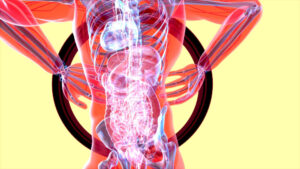
The difference between piriformis syndrome and sciatica comes down to location and cause. Piriformis syndrome starts with a tight or irritated piriformis muscle deep in the buttock, which then presses on the sciatic nerve. Sciatica itself is not a condition but a symptom, usually caused by a herniated disc or spinal issue in the lower back. Pinpointing deep buttock and leg pain accurately often requires an exam from a pain management specialist.
Deep, aching pain in your buttock that travels down your leg can be confusing and frustrating. You want answers, and you want relief. Two of the most common explanations for this type of pain are piriformis syndrome and sciatica, and while they can feel similar, they are not the same thing.
Understanding the difference between piriformis syndrome and sciatica is the first step toward getting the right treatment. Below, we walk through what sets these two conditions apart, how to start pinpointing deep buttock and leg pain on your own, and when it is time to bring in a professional.
Difference Between Piriformis Syndrome vs Sciatica
Both conditions involve the sciatic nerve, the longest nerve in your body. But where the irritation starts makes all the difference in how it feels and how it should be treated.
Piriformis Syndrome: Deep Buttock Pain
The piriformis is a small muscle that sits deep in your buttock, right near the sciatic nerve. When this muscle becomes tight, inflamed, or spasms, it can press directly on the nerve. This creates a deep, aching, or burning pain centered in the buttock, which sometimes radiates partway down the leg.
Common triggers include:
- Prolonged sitting: Long hours at a desk or during travel can compress the piriformis muscle.
- Repetitive activity: Running, climbing stairs, or other repetitive leg movements can irritate the muscle over time.
- Muscle imbalance: Weakness in the hips or glutes can place extra strain on the piriformis.
Sciatica: Radiating Leg Pain from the Lower Back
Sciatica is not a diagnosis on its own. It is a symptom that describes pain traveling along the path of the sciatic nerve, usually starting in the lower back and moving through the buttock and down one leg. The most frequent cause is a herniated or bulging disc in the lumbar spine pressing on a nerve root.
Unlike piriformis syndrome, sciatica pain often starts in the lower back before radiating downward, and it may come with numbness, tingling, or weakness that extends all the way to the foot.
Pinpointing Deep Buttock and Leg Pain: How to Tell Them Apart
Pinpointing deep buttock and leg pain starts with paying attention to where it begins and how it behaves.
Feature | Piriformis Syndrome | Sciatica |
Pain origin | Deep buttock muscle | Lower back nerve root |
Pain pattern | Localized, may radiate partway down the leg | Radiates from the back through the leg, often to the foot |
Common triggers | Sitting, repetitive hip movement | Disc herniation, spinal narrowing |
Numbness or tingling | Less common | Frequent, especially in the foot |
Worsens with | Sitting on hard surfaces | Bending, coughing, or sneezing |
If your pain feels concentrated in the buttock and improves when you stand or stretch the hip, piriformis syndrome may be the cause. If pain starts in your lower back and shoots down your leg with numbness, sciatica from a spinal source is more likely.
When to See a Pain Management Specialist
Self-diagnosis only goes so far, since both conditions can overlap or mimic one another. A pain management specialist can confirm the true source of your pain through a physical exam, movement testing, and imaging when needed.
Your specialist may recommend:
- Physical therapy targeting hip and lower back mobility
- Anti-inflammatory medication or muscle relaxants
- Targeted injections to calm nerve irritation
Getting an accurate diagnosis early can prevent months of guessing and discomfort.
Finding the Right Pain Management Clinic in Brooklyn
Living with unpredictable buttock or leg pain can wear down your patience and your daily routine. A pain management clinic in Brooklyn that takes time to understand your symptoms and explains your treatment options clearly can make the path to relief much shorter.
When searching for a pain management clinic in Brooklyn, ask how the team distinguishes between piriformis syndrome and sciatica, and what treatment options they typically recommend for each. A clear, confident answer is a good sign you are in the right hands.
You Do Not Have to Guess at the Source of Your Pain
Deep buttock and leg pain does not have to remain a mystery. With the right evaluation and a personalized treatment plan, relief is within reach. Our Pain Management team is ready to help you find what works for your body. Reach out today by calling +1-718-367-2555 or visiting us at 1797 Pitkin Avenue, Brooklyn, NY 1121 to schedule a consultation.