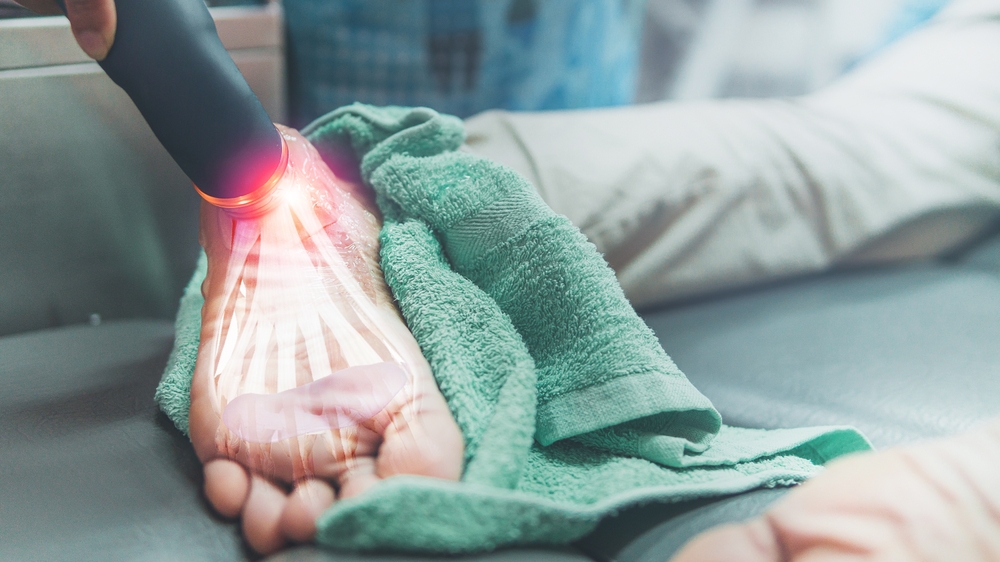
Have you noticed a firm, painful lump on the bottom of your foot? You might be dealing with a plantar fibroma. This non-cancerous nodule grows within the plantar fascia, the thick band of tissue stretching across the sole of your foot. As the nodule expands, walking or standing can quickly become unbearable. Fortunately, effective plantar fibroma treatment is available to help you walk comfortably again.
Whether you need conservative care or a more advanced medical approach, understanding the surgical and non-surgical options for plantar fibroma treatment is your first step toward lasting relief. A skilled podiatrist can assess the nodule, measure its impact on your daily life, and create a customized plan to restore your mobility. Let us explore the best ways to manage and treat this painful foot condition. Get a consultation with the best Podiatrists in Brooklyn.
The Goal of Plantar Fibromas Treatment
Plantar fibromas rarely go away on their own. If the lump remains small and painless, your doctor might recommend a simple strategy of watchful waiting. However, when the nodule presses against your shoe or causes sharp pain while walking, you need a proactive approach. Visiting a specialized podiatry clinic in Brooklyn ensures you receive a proper diagnosis.
Doctors typically use physical exams and imaging tests, like ultrasounds or MRIs, to confirm the nodule is a fibroma and not a cyst or another type of growth. Once confirmed, your medical team will help you navigate the surgical and non-surgical options of plantar fibroma treatment to find the best fit for your lifestyle.
Non-Surgical Plantar Fibromas Treatment Methods
Medical professionals almost always start with conservative, non-invasive therapies. The primary goal of these treatments is to relieve pressure on the nodule and reduce active inflammation.
Here are the most common non-surgical approaches:
- Custom Orthotics: A podiatrist can design custom shoe inserts that transfer your body weight away from the fibroma. This reduces the friction and pressure that cause sharp pain when you walk.
- Corticosteroid Injections: Injecting steroid medication directly into the mass can significantly reduce inflammation. In some cases, this helps shrink the nodule temporarily, allowing you to walk more comfortably.
- Physical Therapy: Specialized stretching exercises focus on the calf muscles and the plantar fascia. Keeping this tissue flexible prevents the fascia from pulling tightly against the nodule.
- Topical Treatments: Certain prescription gels block calcium channels in the tissue, which can sometimes stop the fibroma from growing larger.
When to Consider Surgery
Conservative methods successfully manage pain for many patients. However, if the fibroma continues to grow or the pain prevents you from completing daily activities, you may need a surgical solution.
Understanding the Surgical Process
When non-invasive methods fail, your podiatrist will discuss surgical removal. The procedure involves making an incision on the bottom of the foot to extract the fibrous mass. In severe cases, the surgeon must remove a larger portion of the plantar fascia to prevent the tumor from growing back.
If you undergo this procedure at a modern podiatry clinic in Brooklyn, your care team will provide a detailed recovery timeline. Healing from foot surgery requires patience. You will need to keep weight off the foot for several weeks, often using crutches and a specialized walking boot. Post-operative physical therapy is also crucial to regain full strength and flexibility in your arch.
Conclusion
A painful lump on the bottom of your foot should never be ignored. By exploring the proven surgical and non-surgical options of plantar fibroma treatment, you can stop the pain and regain your active lifestyle. Do not let foot discomfort dictate what you can and cannot do. Reach out to Doral Health & Wellness; we have Podiatrists with extensive education and expertise. Our address is 1797 Pitkin Avenue, New York, NY 11212. To make an appointment, please call + 1 718 367 2555, or register your information and make direct contact with us at https://yuz88hfiyh7.typeform.com/Doralintake or send an email to info@doralhw.org.