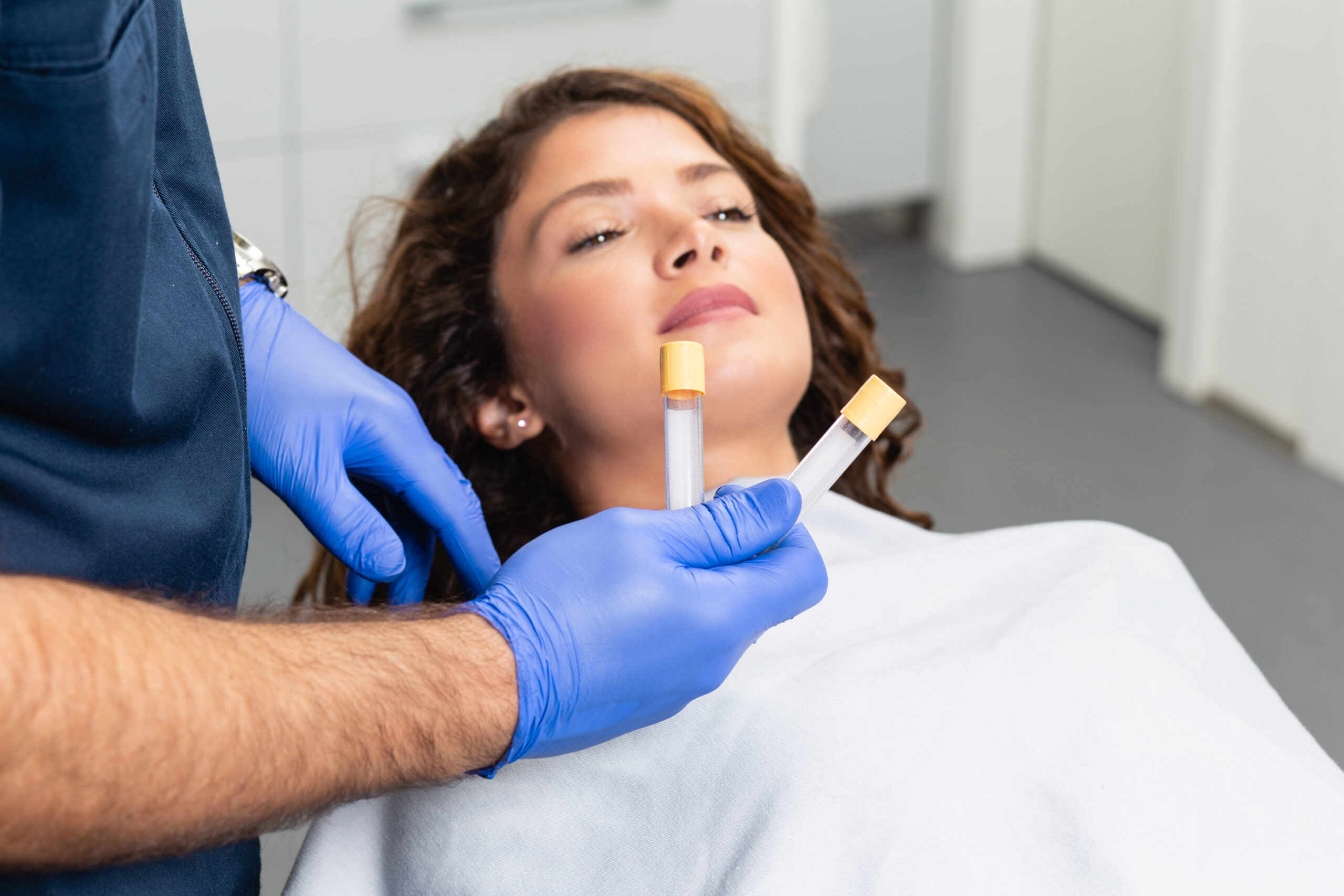
If joint pain is severe, and you don’t want to consider surgery, Platelet Rich Plasma (PRP) Therapy might be an option for you. This therapy uses your blood to extract platelet-rich plasma from it and injects it into the affected joint to lower inflammation and pain. Platelets can repair the damaged tissue naturally, which makes this a good treatment option with minimal to low side effects. But it is not for everyone. Learn the important things you need to know before PRP therapy in this article. Visit the best Pain Management Clinic in Brooklyn at Doral Health & Wellness or log on to www.doralhw.org.
Things you need to know before Platelet Rich Plasma Therapy
If you’re considering Platelet Rich Plasma (PRP) therapy for your joint pain, these are some things you should know about PRP:
- Not all PRP shots are equal:
PRP is a combination of ingredients that are beneficial for your health. However, when you change the ratio and amount of those ingredients, the effects will change. When blood is sorted to get the plasma, different methods are used. One can result in plasma with a low white blood cell count (leukocyte-poor) while others can give a high white blood cell count (leukocyte-rich).
Leukocyte-rich PRP is beneficial for some conditions like tendonitis, but it doesn’t produce a similar effect on arthritic joints. Whereas Leukocyte-poor PRP can work well for osteoarthritis. Make sure you consult with your provider to know the proper treatment for your condition.
- PRP Injections are not Stem cell injections:
PRP does contain a small amount of stem cells (cells found in the bone marrow and bloodstream that have a unique ability to recreate healthy tissue), but not too much. This means it may help to regain some cartilage, but not completely. And you can’t use stem cells because places like the knee and cartilage have areas of dead tissues/spaces that can’t be replaced. While it is possible that in the future, experts can learn a way to control stem cells to resurface joints and repair joint tissue, it seems unlikely now.
- PRP is a natural Anti-Inflammatory:
The main benefit of PRP shots for joint pain is the ability to decrease inflammation related to OA. Your joints have many different tissues that work together; if any of those tissues get inflamed, it affects the whole joint. PRP can calm the joint by attacking the inflamed tissue. Unlike oral and injectable anti-inflammatory drugs, PRP is all-natural and offers benefits like:
- It prevents detrimental side effects to other parts of the body, like other chemicals/medicines.
- It delivers all compounds right to the site without them traveling around the body and getting absorbed by the stomach or intestines.
- It provides relief at the exact spot you need it.
- The best time to get PRP treatment before it’s too late:
The ideal time to get PRP treatment is when your joint and cartilage deterioration is in the early or mid-grade stages. When you may have some pain, but enough cartilage to keep bones from rubbing together. The treatment works best when you still want to be active but maybe wear your knees a bit. OA affects the knee in 10% of adults over 60, who are not very active but want to maintain their knees or other joints as long as possible.
- PRP works differently for everyone:
PRP injections won’t provide immediate relief, so keep your expectations in check. And how well you respond also depends on different factors like:
- Degree of deterioration
- Genetic make-up
- Underlying cause of the condition
- Weight and physical health
- Your response to a PRP shot may range from no change to complete relief. If you get a partial response, you may need a second injection shortly after the first.
So, if you respond well the first time, then you can consider this therapy. Make sure you talk about the timing of shots because it is typically after 9 months after the completion of the first PRP cycle that your joints start to bother you again, and pain is not yet out of control, so you may need to plan the next session.
- PRP injections are not a permanent fix:
PRP shots may offer inflammation relief and slow down the progression of joint cartilage deterioration. However, it won’t stop the process altogether and help rebuild cartilage. PRP injections are just one part of the treatment plan.
PRP injections therapy is a good option for treating joint pain. It is very effective in improving inflammation and reducing pain. However, it is not for everyone. Make sure you don’t have the above-mentioned conditions that can make you ineligible for this therapy. Consult with your doctor to know whether or not PRP therapy is a good option for you to treat joint pain.
Need help with joint pain? Visit our pain management clinic in Brooklyn to get professional medical help with PRP therapy or other treatment options for joint pain. Call us to book your appointment now! If you’re ready to take the next step in managing your pain, we recommend consulting with our healthcare provider to explore the right treatments or therapies for you. Always listen to your body and adjust your daily routine to prioritize your well-being. Visit Doral Health & Wellness Pain Relief Department in Brooklyn, to get professional help and guidance on how to manage your problem. Call us on + 1-718-367-2555 to get a consultation. If you need help learning coping methods, register your information and make direct contact with our doctors at https://yuz88hfiyh7.typeform.com/Doralintake. Log on to www.doralhw.org. Or visit us at 1797 Pitkin Avenue, Brooklyn, NY 11212.