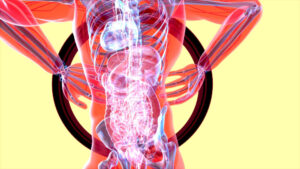
The promise of fast results is tempting. When you or your loved one wants to feel better quickly, dropping pounds in record time can feel like the answer. But rapid weight loss often carries hidden costs that catch families by surprise.
Good weight loss depends on steady nutrition and sound health education, not shortcuts. Losing too much too fast can strain the body, weaken recovery, and create new problems for people already managing illness or healing at home.
Here are seven dangers worth knowing, along with gentle ways to protect the people you care about.
1. Muscle Loss That Weakens the Body
Rapid dieting burns muscle, not just fat. That loss matters most for elderly loved ones and anyone recovering from surgery.
Why muscle matters
Muscle keeps your loved one steady on their feet. Losing it too quickly raises the risk of falls and slows healing. If a family member is recovering at home, our in-home nursing services can help monitor strength safely.
2. Nutrient Deficiencies
Crash diets cut calories and nutrients at the same time. Your body still needs vitamins and minerals to function.
- Iron and B12: Low levels cause fatigue and dizziness.
- Calcium and vitamin D: Weak bones become fragile bones.
- Protein: Too little slows wound healing and recovery.
Balanced nutrition prevents these gaps. A little planning protects your loved one from silent shortages.
3. Gallstones
Fast weight loss is one of the leading triggers for gallstones. The liver releases extra cholesterol when the body sheds weight quickly.
Watch for warning signs
Sharp pain in the upper belly, nausea, and fever can signal trouble. If these appear, reach out to a medical professional right away.
4. Dangerous Drops in Blood Sugar and Blood Pressure
Cutting food too fast can send blood sugar and blood pressure crashing. For patients on medication, this becomes serious.
Medication doses are set for a stable body. When weight changes suddenly, those doses may need adjusting. Our medication management support keeps prescriptions aligned with your loved one’s real needs.
5. Heart Strain
The heart is a muscle too. Extreme dieting can disturb its rhythm and stress the cardiovascular system.
Who is most at risk
Older adults and people with existing heart conditions face the greatest danger. Steady, supervised weight loss protects the heart far better than any quick fix.
6. Gallbladder and Digestive Trouble
Beyond gallstones, rapid weight loss can slow digestion and cause constipation, bloating, and discomfort. Your body simply cannot adjust that fast.
Adequate fiber and fluids help. Small, consistent changes ease the strain and keep digestion moving.
7. Emotional and Mental Health Strain
Weight loss is not only physical. Extreme dieting can bring anxiety, irritability, and an unhealthy focus on food.
You are not alone in feeling worried about this. Strong health education and honest conversations help families spot emotional struggles early. Raising health awareness at home makes it easier to ask for help before things worsen.
The Safer Path: Steady Care and Real Support
Rapid weight loss rarely delivers lasting results. Slow, guided progress protects the body and the mind.
For safe, personalized guidance, connect with our medical team that understands whole-family care. You can also explore our safe weight loss guide for practical, everyday steps.
Your family’s health deserves expert, compassionate support. Whether your loved one is recovering, aging, or simply wants to feel stronger, our team brings care right to your door.
Reach out today by calling us at +1-718-367-2555 or visit us at 1797 Pitkin Avenue, Brooklyn, NY 11212 to schedule a home visit and build a plan that fits your loved one’s real needs. Because lasting Health Awareness starts with small, supported choices, not risky shortcuts.