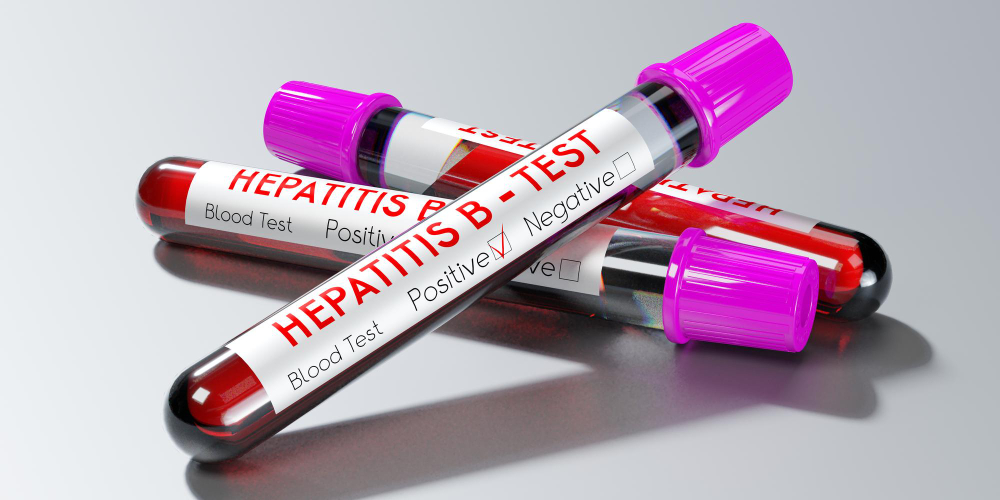
Silent hepatitis B often shows few or no symptoms for years. Still, subtle clues can appear. Watch for fatigue, yellowing skin, dark urine, joint pain, belly discomfort, and loss of appetite. If you notice these, see an infectious disease specialist for testing and care.
A quiet illness can be the most dangerous kind. Silent hepatitis B is a viral infection that damages the liver, often without clear warning. Many people carry the virus for years and feel fine. That is what makes it so easy to miss.
You may worry when your body feels off, but nothing seems obvious. That fear is valid. Knowing the 6 subtle warning signs of hepatitis B you should not ignore can help you catch it early. Early testing protects your liver and the people you love. This short guide walks you through those signs and shows you when to reach out for help. Clear answers are within reach.
Why Silent Hepatitis B Is So Easy to Miss
Silent hepatitis B rarely announces itself. According to the World Health Organization, most people with chronic hepatitis B have no symptoms in the early stages. The virus works slowly, harming the liver over time.
This is why so many cases go unnoticed. By the time strong symptoms appear, the liver may already be strained. The good news is that small clues can surface earlier. Learning to spot them gives you a head start.
6 Subtle Warning Signs of Hepatitis B You Should Not Ignore
Your body often sends quiet signals before a problem grows. These signs can be easy to brush off. Taken together, they may point to something that needs attention.
Here are six warning signs worth watching:
- Ongoing fatigue: You feel tired even after rest. This is one of the most common early clues.
- Yellow skin or eyes: A yellow tint, known as jaundice, can signal liver stress.
- Dark urine: Urine that looks brown or tea-colored may reflect a liver problem.
- Joint pain: Aching joints without a clear cause can accompany the infection.
- Belly discomfort: Pain or fullness in the upper right side, where the liver sits.
- Loss of appetite: You feel less hungry, sometimes paired with mild nausea.
One sign alone may mean little. Several together deserve a closer look. If these symptoms sound familiar, do not wait to seek care.
When These Signs Point to Something Serious
Some symptoms call for prompt attention. According to the Mayo Clinic, jaundice, dark urine, and lasting belly pain can signal deeper liver trouble. These are not signs to wait out at home.
Reach out to a doctor if you notice:
- Yellowing that spreads or deepens: Skin and eyes turning more yellow over days.
- Pain that does not ease: Ongoing discomfort in the upper right belly.
- Confusion or heavy fatigue: Signs the liver may be struggling to keep up.
Who Faces a Higher Risk
Anyone can get hepatitis B, but some people face greater odds. Knowing your risk helps you act sooner. According to the Centers for Disease Control and Prevention, the virus spreads through blood and certain body fluids.
You may be at higher risk if you:
- Were born to a parent with hepatitis B: The virus can pass at birth.
- Live with someone who has it: Close household contact raises the chance.
- Have not been vaccinated: The hepatitis B vaccine offers strong protection.
If any of these apply to you or your loved one, testing brings peace of mind. An infectious disease specialist can check for the virus with a simple blood test.
How an Infectious Disease Specialist Can Help
A silent infection needs expert eyes. An infectious disease specialist knows how to test for hepatitis B, read your results, and guide your next steps.
For families in the area, trusted infectious disease doctors in Brooklyn can order the right tests, explain what your results mean, and support your care close to home. Early treatment can slow liver damage and protect your long-term health. You do not have to face this alone.
Take the First Step Toward Peace of Mind
Silent hepatitis B can hide for years, but your body may still whisper warnings. Fatigue, jaundice, dark urine, joint pain, belly discomfort, and appetite changes all deserve attention. Listening to these signals could protect your liver and your future.
If these symptoms sound familiar, or you fall into a higher-risk group, help is close by. Our Infectious Disease care team can test, treat, and support you. Reach out today by calling + 1-718-367-2555 or visiting us at 1797 Pitkin Avenue, Brooklyn, NY 11212 to book your appointment and take the first step toward feeling like yourself again.