Your kidneys work tirelessly around the clock to filter waste, balance fluids, and regulate blood pressure. When these vital organs are compromised, your dietary choices become more than just fuel—they become medicine. Adopting a kidney diet rich in nutrient-dense superfoods is one of the most effective ways to preserve function and slow the progression of chronic kidney disease (CKD). Navigating nephrology nutrition can seem complex, especially when you are trying to balance protein, potassium, and phosphorus. However, by incorporating specific superfoods into your CKD diet plan, you can turn mealtime into a proactive step toward better health.
If you are looking for expert guidance on managing your kidney health through diet and medical care, Doral Health & Wellnessis here to support you. Our specialized team offers personalized treatment plans to help you live your healthiest life. Reach out to us to schedule an appointment with our compassionate providers.
Understanding the Foundations of a Renal Diet
A “superfood” for someone with healthy kidneys might not be suitable for someone with kidney disease. The traditional concept of healthy eating often emphasizes high-potassium foods like avocados and bananas. However, a specialized renal diet requires a different approach. The goal is to reduce the workload on the kidneys while preventing the buildup of waste products in the blood.
What Makes a Food “Kidney-Friendly”?
When designing a CKD diet plan, we focus on foods that are low in sodium, phosphorus, and potassium but high in antioxidants and vitamins.
- Low Sodium – High salt intake increases blood pressure, which strains the kidneys.
- Controlled Phosphorus – Damaged kidneys cannot remove excess phosphorus, which can pull calcium from bones.
- Antioxidant-Rich – Foods high in antioxidants help combat inflammation, a common issue in kidney disease.
If you are unsure about your specific dietary needs, searching for a “nephrologist near me” can connect you with a specialist who can analyze your blood work and provide tailored advice.
Top Superfoods for Your CKD Diet Plan
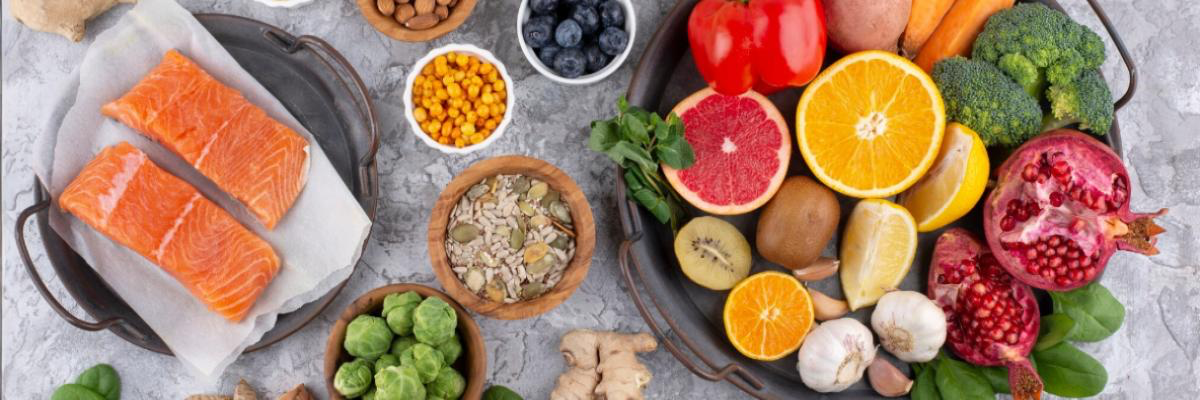
Incorporating these powerhouse foods into your daily meals can make your kidney diet both delicious and effective. These options are staples in nephrology nutrition because they offer maximum benefit with minimal strain on the kidneys.
- Cauliflower: The Versatile Vegetable
Cauliflower is a nutritional superstar for kidney patients. It is low in potassium but packed with Vitamin C, folate, and fiber.
- Why it helps – It contains compounds that help the liver neutralize toxic substances.
- How to eat it – Mash it as a substitute for potatoes, roast it with herbs, or use it in kidney-friendly recipes as a low-carb pizza crust.
- Blueberries: nature’s Antioxidant Pill
Blueberries are famous for their high antioxidant content, specifically anthocyanins, which protect against heart disease and some cancers.
- Why it helps – They are low in sodium, phosphorus, and potassium, making them a perfect fruit for a renal diet. They also help reduce inflammation.
- How to eat it – Add them to oatmeal, blend them into a smoothie, or enjoy them fresh as a snack.
- Sea Bass: A Better Protein Choice
Protein is tricky in a kidney diet. You need enough to maintain muscle, but too much burdens the kidneys. Sea bass is an excellent high-quality protein containing healthy fats called Omega-3s.
- Why it helps – Unlike red meat, it contains lower levels of phosphorus. Omega-3s help reduce inflammation and may help lower blood pressure.
- How to eat it – Bake or grill a small fillet with lemon and dill for a simple, heart-healthy meal.
Consulting with a kidney doctor NYC patients recommend can help you determine the exact amount of protein safe for your stage of kidney disease.
- Red Bell Peppers: Flavor Without the Potassium
Unlike many other vegetables, red bell peppers are low in potassium but high in flavor and nutrition.
- Why it helps – They are an excellent source of Vitamins A, C, B6, folic acid, and fiber. They also contain lycopene, an antioxidant that protects against certain cancers.
- How to eat it – Slice them for a crunchy snack with dip, roast them, or mix them into a salad.
- Egg Whites: Pure Protein
Egg yolks are very high in phosphorus, which can be dangerous for people with kidney disease. Egg whites, however, provide pure, high-quality protein with less phosphorus.
- Why it helps – They provide all the essential amino acids your body needs with less waste product for your kidneys to filter.
- How to eat it – Make an omelet with vegetables or use hard-boiled whites in a tuna salad.
Creating Delicious Kidney-Friendly Recipes
Transitioning to a new way of eating is easier when you have a repertoire of tasty kidney-friendly recipes. The key is using herbs and spices instead of salt to enhance flavor.
Garlic and Onions
These savory staples are essential for a renal diet. They provide robust flavor and offer anti-inflammatory properties.
- Cooking Tip – Sauté fresh garlic and onions in olive oil as a base for soups, stews, and stir-fries. Avoid garlic salt or onion salt to keep sodium levels down.
Olive Oil
Olive oil is a healthy source of fat and is phosphorus-free. It is a great choice for cooking because it contains oleic acid, which has anti-inflammatory effects.
- Cooking Tip – Use extra virgin olive oil for salad dressings and regular olive oil for sautéing vegetables or proteins.
Visiting a nephrology clinic in Brooklyn can provide you with access to nutrition workshops or resources to help you master kidney-friendly cooking.
Foods to Avoid or Limit
Knowing what not to eat is just as important as knowing what superfoods to include. A successful CKD diet plan eliminates “nutrient thieves” that worsen kidney function.
Dark-Colored Sodas
Many dark sodas contain phosphorus additives that are highly absorbable by the body. This hidden phosphorus is much more dangerous than the natural phosphorus found in foods like nuts.
- Alternative – Stick to water with lemon, or light-colored sodas if you must have a fizzy drink (though water is always best).
Processed Meats
Bacon, sausage, pepperoni, and deli meats are typically loaded with sodium and nitrate preservatives.
- Alternative – Choose fresh, lean cuts of meat or plant-based proteins approved by your dietitian.
High-Potassium Fruits
While healthy for the general population, fruits like bananas, oranges, and avocados can cause dangerous potassium buildup in kidney patients.
- Alternative – Opt for apples, berries, pineapples, and grapes.
If you are struggling to identify safe foods, a quick search for a “nephrologist near me” can lead you to professionals who can simplify your grocery shopping list.
The Role of Medical Support in Nephrology Nutrition
Diet is a powerful tool, but it works best when combined with expert medical care. Nephrology nutrition is highly individualized. What works for a patient in Stage 2 CKD might be harmful to someone in Stage 4.
A qualified kidney doctor NYC offers will monitor your blood levels regularly. They track creatinine, BUN (blood urea nitrogen), potassium, and calcium to adjust your dietary recommendations in real-time. For example, if your potassium levels start to rise, they might advise cutting back on certain vegetables or changing how you cook them (like leaching potatoes).
Residents in the area can visit a nephrology clinic in Brooklyn for comprehensive care that integrates diet, medication, and lifestyle changes. This holistic approach ensures you aren’t just treating the numbers on a lab report, but improving your overall quality of life.
Empowering yourself with knowledge about the right foods to eat is a game-changer for your health. By building a kidney dietaround superfoods like cauliflower, blueberries, sea bass, and egg whites, you can actively protect your kidneys. A well-plannedrenal diet doesn’t have to be restrictive or boring; it can be a culinary adventure filled with fresh ingredients and vibrant flavors. Remember, every meal is an opportunity to nourish your body and support your kidney function. Start incorporating these kidney-friendly recipes and superfoods into your routine today for a stronger, healthier tomorrow.
Your journey to better kidney health starts with the right partner. Contact Doral Health & Wellness today at 1-718-365-2555 or visit us at 1797 Pitkin Avenue, Brooklyn, New York 11212. We are dedicated to providing the specialized care and support you deserve. For general information about Doral Health & Wellness services, you can contact or email info@doralhw.org.