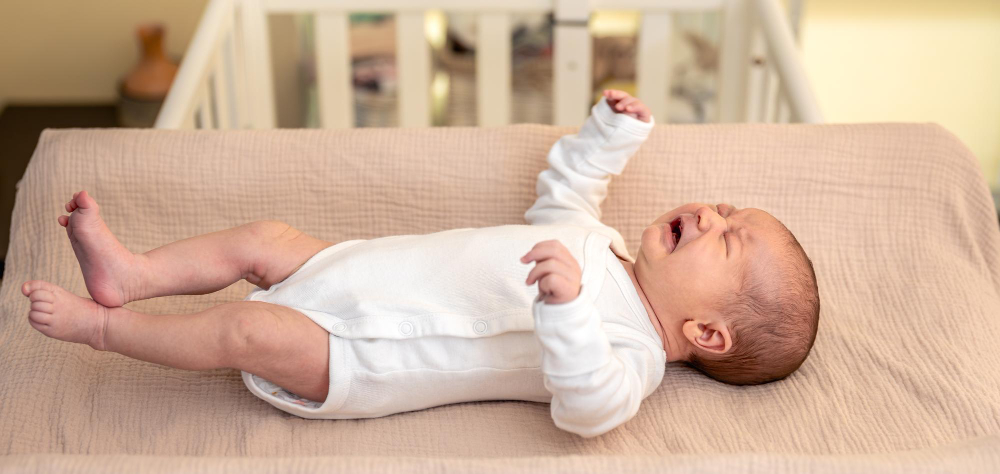
Most babies should stop being swaddled for sleep once they show signs of rolling over, typically between two and four months old. Swaddling transition timelines vary by baby, but safety experts agree that any sign of rolling means it’s time to switch to a sleep sack. Knowing when to stop wrapping baby at night protects against suffocation risk and supports healthy infant awareness around safe sleep.
Few parenting questions stir up as much uncertainty as swaddling. That tight, cozy wrap can feel like the only thing standing between you and a full night’s sleep. So when your pediatrician mentions it’s time to stop, the worry sets in fast. Will your baby sleep worse? Will they feel less secure?
You are not alone in asking these questions. Swaddling transition timelines exist precisely because pediatric sleep experts have studied what keeps babies safest at each stage of development. Understanding when to stop wrapping baby at night does not have to feel overwhelming. With a few clear signs to watch for, you can make this change with confidence.
When Should You Start the Swaddling Transition?
The biggest signal is movement. Once your baby begins showing early signs of rolling onto their stomach or side, even during tummy time, their arms need to be free to push up and reposition themselves. A snug swaddle at this stage can trap them in an unsafe position.
Signs Your Baby Is Ready to Stop Swaddling
Watch for these common developmental cues:
- Rolling attempts. Your baby pushes up during tummy time or rocks side to side in the crib.
- Breaking free. The swaddle loosens or comes undone overnight, which can create loose fabric near your baby’s face.
- Increased strength. Your baby’s arm and neck muscles seem noticeably stronger than just weeks before.
Most babies reach this point between two and four months, though every baby develops on their own schedule. Some show these signs earlier, and that is perfectly normal.
How Do You Transition Away from Swaddling Safely?
A gradual approach tends to work better than stopping cold turkey. Many families find success with a one-arm-out method, freeing one arm for several nights before unwrapping both.
Moving to a Sleep Sack
A wearable blanket, often called a sleep sack, gives your baby the warmth of a swaddle without restricting arm movement. This small shift supports the same safe sleep principles pediatricians recommend for every stage of infancy.
Keep these habits in mind during the transition:
- Place your baby on their back for every sleep, just as you did while swaddling.
- Keep the crib free of loose blankets, pillows, or stuffed animals.
- Expect a few rough nights. Babies often need time to adjust to the new sensation.
Why Safe Sleep Habits Matter Beyond Swaddling
Every October, Sudden Infant Death Syndrome Awareness Month brings national attention to the choices that protect babies during sleep. Swaddling transition timelines are part of a larger picture of infant awareness that includes back sleeping, a firm crib surface, and a smoke-free environment.
Sudden Infant Death Syndrome Awareness Month serves as a yearly reminder that small, consistent habits make a measurable difference. Knowing when to stop wrapping baby at night is one piece of that larger commitment to infant awareness and safer nights for every family.
Trust the Process, One Night at a Time
Letting go of the swaddle can feel like losing a trusted tool, especially after months of relying on it for better sleep. That feeling is normal. What matters most is following your baby’s cues and leaning on safe sleep practices as you move through this stage together.
If you have questions about your baby’s sleep environment or the right timing for your family, reach out to our care team by calling +1-718-367-2555 or visiting us at 1797 Pitkin Avenue, Brooklyn, NY 1121 to schedule an evaluation. Their team can offer guidance suited to your baby’s specific development and help you feel confident at every bedtime.