The teenage years bring many changes, and among the most common are shifts in body odor and perspiration. While completely normal, these changes can be a source of significant self-consciousness. Understanding the available teen body odor treatmentoptions and effective excessive sweating solutions is the first step toward managing these concerns. This guide provides reliable dermatologist advice to help teens and their parents navigate this aspect of adolescent development with confidence and accurate information.
At Doral Health & Wellness, we are proud of our commitment to the East New York community to provide integrated interdisciplinary health services. Our innovative medical facility is dedicated to the health and well-being of our patients. If you are seeking professional guidance for your teen’s health, our team provides expert medical advice and trusted treatments in a supportive environment.
Understanding Why Teenagers Sweat More
During puberty, the body undergoes significant hormonal shifts that activate two types of sweat glands. Understanding the difference between them is key to managing odor and perspiration.
Eccrine vs. Apocrine Glands
- Eccrine Glands – These glands are present all over the body from birth. They produce a watery sweat that primarily functions to cool the body down. This type of sweat is generally odorless.
- Apocrine Glands – Located mainly in the armpits, groin, and around the nipples, these glands become active during puberty. They produce a thicker, milky sweat that contains fats and proteins.
The Cause of Body Odor
Sweat itself does not have an odor. Body odor occurs when the sweat from the apocrine glands comes into contact with the natural bacteria living on the skin. The bacteria break down the fats and proteins in the sweat, producing the distinct smell we recognize as body odor. Because apocrine glands activate during puberty, this is when body odor becomes noticeable.
Effective Teen Body Odor Treatment and Hygiene
Good hygiene is the foundation of any teen body odor treatment plan. Simple, consistent habits can make a substantial difference in managing odor throughout the day.
Daily Hygiene Practices
- Daily Showering – Washing daily with soap and water, paying special attention to areas with apocrine glands like the armpits and groin, helps remove bacteria from the skin.
- Antibacterial Soap – For more persistent odor, using an over-the-counter antibacterial soap can help reduce the amount of odor-causing bacteria on the skin’s surface.
- Thorough Drying – Bacteria thrive in moist environments. It is important to dry the skin completely after showering, especially in the underarm area, before applying any products.
- Clean Clothing – Wearing clean clothes each day is essential, as bacteria can linger on worn fabrics and contribute to odor.
Choosing the Right Product: Deodorant vs. Antiperspirant
These terms are often used interchangeably, but they serve different functions.
- Deodorants – These products work by masking odor with fragrance and creating a more acidic environment on the skin, which is less friendly to bacteria. They do not stop sweat.
- Antiperspirants – These products work by temporarily blocking sweat ducts to reduce the amount of sweat that reaches the skin. The active ingredient is typically an aluminum-based compound. Many products available are combination antiperspirant-deodorants.
If standard products are not effective, it may be time to consult with a professional. Searching for a “teen skin doctor near me” can connect you with a specialist who can offer more advanced options.
Professional Excessive Sweating Solutions
For some teens, sweating is more than a minor inconvenience. Hyperhidrosis is a medical condition characterized by sweating that is significantly more than what is needed to regulate body temperature. It can interfere with daily activities and cause social anxiety.
Identifying Hyperhidrosis
While all teens sweat more during puberty, signs of hyperhidrosis include:
- Sweating that soaks through clothing even when at rest.
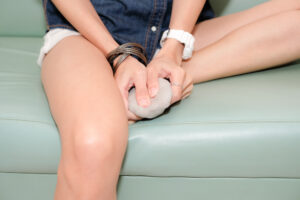
- Sweat that drips from the hands or feet.
- Skin that is consistently soft, white, and peels in certain areas due to moisture.
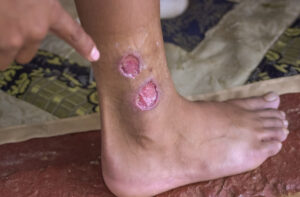
- Frequent skin infections in areas that sweat heavily.
If you suspect hyperhidrosis, seeking professional dermatologist advice is crucial for an accurate diagnosis and effective excessive sweating solutions. A provider at a Brooklyn teen skin clinic will be experienced in evaluating these specific concerns.
Medical-Grade Treatments
A dermatologist may recommend several treatments for hyperhidrosis.
- Prescription-Strength Antiperspirants – These products contain a higher concentration of aluminum chloride and are often more effective than over-the-counter options. They are typically applied at night to dry skin.
- Iontophoresis – This procedure involves using a medical device to pass a mild electrical current through water to the hands or feet. It is believed to temporarily block sweat glands and is done several times a week.
- Botulinum Toxin Injections – Commonly known by the brand name Botox, these injections can be used to block the nerves that trigger sweat glands. They are highly effective for underarm sweating, with results lasting for several months.
- Oral Medications – Certain prescription drugs, known as anticholinergics, can reduce sweating throughout the body. These are generally reserved for more severe cases due to potential side effects.
Finding a specialist in teen dermatology in NY is essential for safely administering these treatments and creating a personalized plan.
Lifestyle Adjustments for Managing Sweat and Odor
In addition to hygiene and medical treatments, certain lifestyle choices can help manage sweat and body odor.
Fabric Choices
- Wear Breathable Fabrics – Natural fibers like cotton and linen allow sweat to evaporate more easily than synthetic fabrics like polyester and nylon, which can trap moisture and worsen odor.
- Moisture-Wicking Athletic Wear – For sports or physical activity, clothing made from moisture-wicking materials can help keep the skin dry.
Dietary Considerations
- Limit Certain Foods – Strongly flavored foods like garlic, onions, and curry can sometimes be excreted through sweat glands, contributing to body odor.
- Stay Hydrated – Drinking plenty of water helps regulate body temperature and can reduce the need for excessive sweating.
When to Consult a Dermatologist
It is important for parents and teens to know when at-home care is not enough. A visit to a healthcare professional is warranted if you notice any of the following.
You should find a dermatologist near me if:
- Over-the-counter antiperspirants are ineffective.
- Sweating interferes with daily activities like holding a pen or using a keyboard.
- The skin is frequently irritated or infected due to moisture.
- Body odor is persistent despite good hygiene.
- Sweating is accompanied by other symptoms like fever, weight loss, or chest pain.
A specialist in teen dermatology in NY can rule out any underlying medical conditions and provide access to the most effective treatments available.
Changes in sweat and body odor are a normal part of adolescence, but they do not have to be a source of distress. A consistent hygiene routine is the first and most important step in any teen body odor treatment plan. For those who need more support, a range of effective excessive sweating solutions are available, from clinical-strength antiperspirants to advanced medical procedures. Seeking professional dermatologist advice can provide a clear diagnosis and a customized treatment plan that restores comfort and confidence.
At Doral Health & Wellness, we are dedicated to providing comprehensive, high-quality care that you can trust. Our state-of-the-art facility offers a wide range of specialty services designed to meet the diverse needs of our community. Contact Doral Health & Wellness today at 1-718-365-2555 or visit us at 1797 Pitkin Avenue, Brooklyn, New York 11212.
For general information about Doral Health & Wellness services, you can contact or email info@doralhw.org.