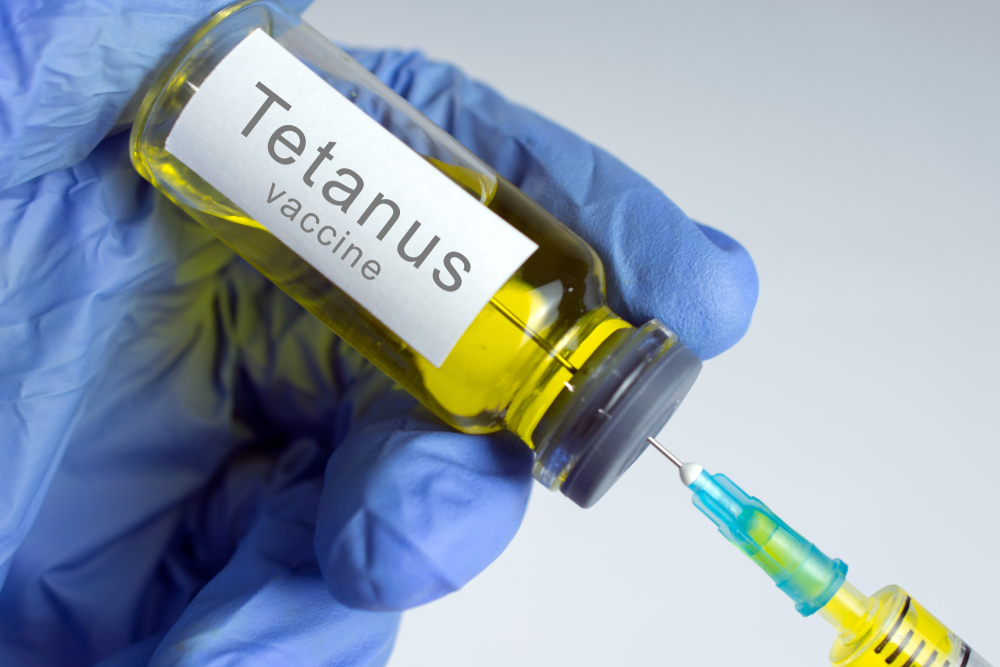
Tetanus is a serious bacterial infection that affects the nervous system, leading to painful muscle stiffness and uncontrolled spasms. Because this condition progresses rapidly, securing a prompt tetanus diagnosis is crucial for your long-term health and recovery. If you or a loved one suffers a deep puncture wound, knowing the right treatment options for tetanus can prevent severe complications and save a life.
This guide will walk you through how doctors identify the infection, the immediate steps taken in a hospital setting, and the most effective therapies available. We will also cover when it is necessary to seek care from an infectious disease specialist to guide your recovery journey. Reach out to us on https://doralhw.org/contact-us/ for a consultation with the best infectious disease doctors in Brooklyn, New York.
How Doctors Make a Tetanus Diagnosis
Unlike many other bacterial infections, a tetanus diagnosis does not rely on blood tests or laboratory work. Instead, doctors diagnose tetanus through a comprehensive physical exam and a review of your medical and immunization history.
Medical professionals will look closely for specific signs and symptoms of the disease. These clinical signs usually develop a few days to a few weeks after the bacteria enter the body through a wound.
Recognizing the Key Symptoms
To confirm the infection, doctors check for the following common symptoms:
- Lockjaw: Severe stiffness in the jaw muscles that makes it hard to open your mouth.
- Muscle spasms: Sudden, involuntary muscle contractions, often starting in the face and spreading to the stomach or back.
- Painful stiffness: Widespread muscle rigidity that can interfere with breathing and swallowing.
- Fever and sweating: Elevated body temperatures accompanied by heavy perspiration and a rapid heart rate.
If you show these symptoms, doctors will immediately begin exploring treatment options for tetanus to halt the progression of the disease.
Exploring Treatment Options for Tetanus
Tetanus is a medical emergency that requires immediate hospitalization. Because there is no cure for the infection once it takes hold, treatment options for tetanus focus on managing complications and supporting your body as it heals.
Immediate Medical Steps
When you enter the hospital with a confirmed or suspected infection, your care team will take swift action. Standard care protocols typically include:
- Human Tetanus Immune Globulin (TIG): This passive immunization helps neutralize the tetanus toxins that have not yet bonded to your nerve tissue.
- Wound care: Doctors thoroughly clean the infected wound to remove dead tissue, dirt, and foreign objects that harbor the bacteria.
- Antibiotics: Medications are administered to stop the bacteria from multiplying in your system.
- Muscle relaxants: These drugs help control severe muscle spasms and ease pain.
In severe cases, patients may need breathing assistance through a ventilator until their breathing muscles recover.
When to See an Infectious Disease Specialist
Because tetanus requires complex, supportive care, your primary doctor or emergency team will likely involve an infectious disease specialist. These experts have deep knowledge of rare bacterial infections and understand how to manage complicated immune responses.
An infectious disease specialist can monitor your progress, adjust medication dosages, and ensure that secondary infections do not complicate your recovery. For residents in the New York area, consulting with infectious disease doctors in Brooklyn can provide localized, expert care throughout the extended hospital stay and rehabilitation process.
Protect Your Health Today
While the condition is severe, taking immediate action can drastically improve outcomes. If you sustain a deep or dirty wound, do not wait for symptoms to appear. Clean the wound thoroughly and seek emergency medical attention right away.
Your medical team can verify your vaccination status and administer a booster shot if needed. If symptoms have already begun, reach out to our infectious disease providers immediately to book your appointment now. Call us on + 1-718-367-2555 to get treated! Learn more about infectious diseases at www.doralhw.org. and stay up to date on current health topics and new research, on recent infectious diseases like COVID-19. If you need help, register your information and make direct contact with our doctors at https://yuz88hfiyh7.typeform.com/Doralintake. Or visit us at 1797 Pitkin Avenue, Brooklyn, NY 11212.