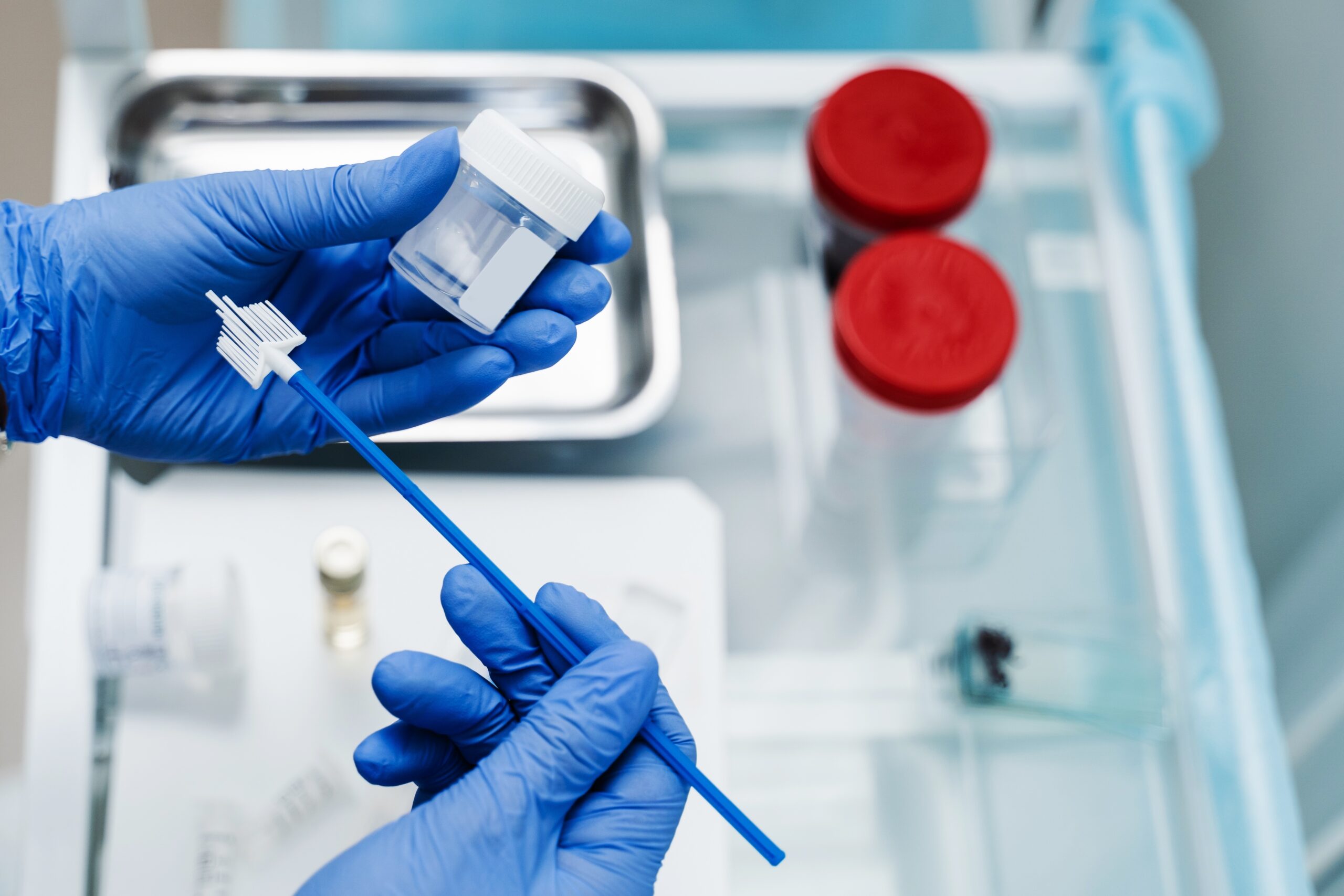
Did you know that in 2022, 660,00 new cervical cancer cases were registered globally, and 350,000 deaths happened from it? Cervical cancer is a major concern globally, which can be life-threatening if not diagnosed early and treated promptly. Luckily, smear tests can detect the cellular changes that lead to cervical cancer earlier. Learn everything you need to know about pap smear tests through FAQs. Visit Doral Health and Wellness – Women’s Health Center and consult with the best Women’s health specialist in New York.
FAQs on Pap Smear
These FAQs about Pap smears will help you understand the importance of these tests for preventive care.
- What is a Pap smear test, and when should you consider it?
Ans. A pap smear test is used to check changes in cells of the cervix (lower part of the uterus) that might lead to pre-cancers or cancer. In this procedure, the doctor collects cells from the cervix for testing, and if cancerous cells are found at this screening, they are more likely to be cured with treatment. This test also checks the cells that can become cancerous in the future. So, this test serves as an important tool to prevent cancer.
You should consider a pap smear test when you have certain risk factors that can increase the risk of cervical cancer, which include:
- A diagnosis of cervical cancer.
- A prior Pap test that showed the signs of precancerous cells.
- Past exposure to diethylstilbestrol, also known as DES, before birth.
- Infections like HIV.
- Having a weak immune system.
- Experiencing inflammation in the cervix or vaginal area.
Your doctor may recommend a pap smear test with other tests like the HPV test, which increases the risk of cervical cancer in people who are older than 30. You should discuss the benefits and risks of pap tests to decide what is best for you.
- What are the general recommendations to get a pap smear test for women?
Ans. Experts recommend pap smear tests based on your age and risk factors for cervical cancer. According to the American College of Obstetricians and Gynecologists, you should get a pap smear test based on the following guidelines:
- If you are 21 or older, then you should start having cervical cancer screening tests, even if you’re not sexually active. Before 21, you don’t need this screening unless you’re sexually active.
- If you’re younger than 30, then you should get tested every 3 years, even if your pap test results are normal.
- Starting from age 30, you should get a pap test with an HPV test every 5 years until the age of 65. Some people between the ages of 30 to 65 just get a pap test every 3 years or just the HPV test every 5 years.
- If you’re 65 or older, then you need to have at least three normal pap tests in a row, two normal HPV tests in a row, or two normal Pap/HPV co-tests in a row with no abnormal tests in the past. You may stop cervical cancer screening after discussing with your doctor, if you have had both your uterus and cervix removed with total hysterectomy or have had any past surgery for cervical cancer or precancer.
- What are the things you should be careful about before the pap smear procedure?
Ans. Before a pap smear test, you can ask questions to your doctor and understand the procedure. There are several things you should be careful of before this procedure and need to discuss with your doctor to prevent complications or false results, including:
- If you’re sensitive or allergic to any medicines, latex, or tape.
- The medication you take (prescription and over the counter) and herbal supplements.
- The last period and type of birth control or hormone therapy, if any, you’re using.
- If you have a history of bleeding disorders or take any blood-thinning medicines (aspirin, or other medication that affects blood clotting).
- If you’re pregnant or think you could be.
- Don’t use any vaginal medicines, spermicidal foams, creams, or jellies, or douche for 2 to 3 days before the test or the time given by the doctor. Avoid sex within 24 hours before the test.
- Empty your bladder before the procedure and follow any other instructions given by your doctor.
- What to expect from a pap smear test?
Ans. Generally, pap smear procedures may vary based on your condition and doctor’s practices. This procedure can be performed in a professional’s office or hospital. Generally, this test follows these steps:
- You may need to undress completely or only from the waist down and put on a hospital gown.
- You will need to lie on the exam table with your knees bent. Your heels will rest on footrests, called stirrups.
- Your doctor will insert a tool called a speculum into your vagina to expand the walls to see the cervix.
- Your doctor will use a small brush, or a small stick called a spatula to remove cells from the cervix and back of the vagina. This doesn’t usually hurt. However, you may get some light bleeding from the vagina later on.
- The collected sample of cervix cells is stored in a special liquid, which is sent to the lab for testing. In the lab, the cells are examined under a microscope to find the signs of cancer or cells that can become cancerous.
After the procedure, you may need to rest for a few minutes, and then you can go home. Sometimes, a small amount of bleeding happens, so you should wear a sanitary pad for any spotting that may occur. In case you have any of the following, you should tell your doctor:
- Heavy bleeding
- Foul-smell drainage from the vagina
- Fever or chills
- Severe abdominal pain
The results come in a few days, and the doctor will tell you your results and give you further instructions based on your condition.
- What do results mean?
Ans. Pap smear results come in 1 to 3 weeks. Your doctor will tell you when you can expect your results and what it means. Usually, pap smear results come negative, positive, and not clear.
- Negative results: If you have a negative result, it means your cells are healthy, and no changes are found in the cervix. You don’t need any treatment or testing until your next pap test and pelvic exam.
- Results are not clear: Sometimes, the test results are unclear, which means you need more testing. Your doctor may describe these results as inconclusive, or ASC-US. All these words have the same meaning – that your cervical cells look like they could be abnormal. It can’t be clear if it is related to HPV or changes like pregnancy, menopause, or an infection. The HPV test can help you find out if your cell changes happened due to HPV or something else. Your doctor tells you what to do next.
- Positive results: If cell changes are found in your test, it is called a positive result, but it does not always mean you have cervical cancer. These can mean different things depending on the type of cells found, which leads to other follow-up testing.
Pap smear test is crucial to prevent cervical cancer as it helps to check the cell changes in the cervix. Cervical cancer can occur at an early age and can be life-threatening if not diagnosed earlier. Early diagnosis helps to find these cell changes earlier, which helps to prevent this cancer and even cure it. That’s why it is crucial to get pap smear tests according to the above-mentioned guidelines to keep yourself safe and healthy.
If you need help with a pap smear or other vaginal problems, visit our gynecology clinic in Brooklyn to get professional medical help. Call us to book your appointment now!! Log on to www.doralhw.org or visit us at 1797 Pitkin Avenue, Brooklyn, NY 11212 to book an appointment. At Doral Health and Wellness – Women’s Health Center, we have the best GYN doctor in Brooklyn, and we provide women with quality health care services. You can also visit our website at https://doralhw.org/department/gynecology/