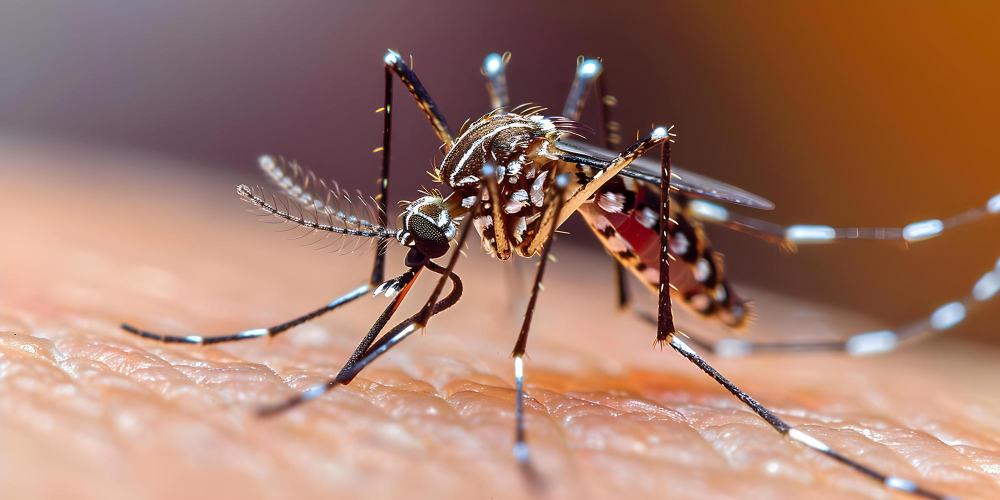
A single mosquito bite can feel like nothing at all. Yet for the Zika Virus, that tiny bite is all it needs. This is one of the quietest and most unsettling viral infections you can face, because it often slips into your body without a single warning sign.
We understand how frightening that uncertainty feels, especially when you are caring for a loved one at home. The good news is that knowledge is protection. Understanding how the virus spreads, what to watch for, and when to seek professional help allows you to manage this infection. You are not powerless against this threat, and you are not alone in facing it.
What Is the Zika Virus?
The Zika virus is a mosquito-borne illness first identified in Uganda in 1947. It belongs to the same family as dengue and yellow fever. For most people, Zika causes mild or no symptoms at all. But for pregnant women and their unborn children, infection can lead to life-altering complications.
As of today, 92 countries and territories have reported evidence of mosquito-transmitted Zika, according to the World Health Organization (WHO). No vaccine currently exists to prevent it.
How the Zika Virus Sneaks Into Your System
Most people never see the bite coming. The Zika Virus spreads mainly through the bite of an infected Aedes mosquito, an insect that bites during the day rather than at dusk.
But mosquitoes are not the only path. Knowing every route matters, because it helps you protect the people you love.
- Mosquito bites: The most common way the virus enters your bloodstream.
- Mother to baby: A pregnant person can pass the virus to their baby, which can lead to serious birth defects.
- Sexual contact: The virus can spread between partners, sometimes long after symptoms fade.
- Blood transfusion: A less common but documented route of transmission.
By identifying how the virus travels, you can take simple steps that make a real difference. If you or a family member has recently traveled to an affected area, our infectious disease services can help you understand your risk.
Recognizing the Symptoms
Here is what makes Zika so tricky. Most people who catch it never feel sick at all.
When symptoms do appear, they are usually mild and last a few days to a week. Still, it helps to know the signs so you can act early.
- Mild fever
- Rash across the body
- Joint and muscle pain
- Red, irritated eyes (conjunctivitis)
- Headache
Because these signs overlap with other mosquito-borne illnesses, they are easy to miss. Our mosquito-borne illness guide can help you tell the difference and know when to seek care.
When to See an Infectious Disease Doctor
Some situations call for expert eyes. If you are pregnant, planning a pregnancy, or have symptoms after traveling, it is time to reach out.
An infectious disease doctor can confirm a diagnosis through testing and build a care plan around your needs. A specialist in infectious diseases also guides you through the emotional weight of the unknown, so you never have to guess your next step.
You deserve answers, and help is closer than you think.
Take the Next Step Toward Peace of Mind
Worry about the Zika Virus does not have to follow you home. With the right care, most people recover fully.
If you have questions or need testing, our compassionate team is ready to walk beside you. Reach out today by calling +1-718-367-2555 or visiting us at 1797 Pitkin Avenue, Brooklyn, NY 11212 to schedule a consultation and protect the people who matter most.